
Comprehensive Guide to Managing and Understanding Cholesterol Levels
This comprehensive guide covers everything about cholesterol, including its functions, types, and impacts on health. Learn effective dietary strategies, lifestyle modifications, and when medications might be necessary to manage and optimize cholesterol levels. Discover how to incorporate healthy fats, increase physical activity, and utilize natural remedies to protect your heart. Empower yourself with knowledge to make informed choices for a healthier life and reduce your risk of heart disease and stroke, ensuring a vibrant and long-lasting cardiovascular health journey.
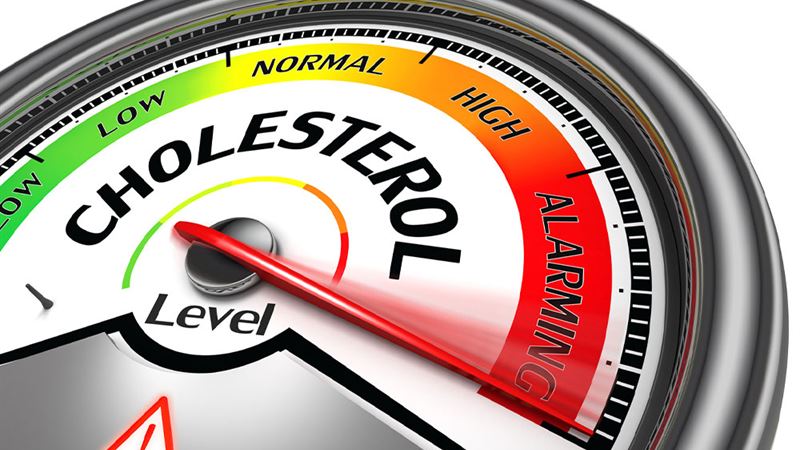
Cholesterol management is a vital aspect of maintaining overall heart health and preventing cardiovascular diseases. While cholesterol often has a negative reputation, it actually plays essential roles in our bodies, making a balanced approach to its regulation crucial. Consuming excessive amounts of dietary cholesterol can contribute to elevated blood levels, increasing the risk of atherosclerosis and heart conditions. Understanding how cholesterol functions, the types of lipoproteins involved, and lifestyle changes that promote healthy levels can empower individuals to take proactive steps towards cardiovascular wellness.
Cholesterol is a waxy, fat-like substance found in every cell of the body. It is fundamental for producing hormones such as estrogen, testosterone, and cortisol, as well as vitamin D. Additionally, it is a structural component of cell membranes, ensuring their flexibility and integrity. Your body synthesizes most of the cholesterol it needs within the liver, although dietary intake from animal products also contributes to overall levels. The challenge lies in maintaining a balance — too much cholesterol, especially in certain forms, can lead to arterial blockages, while too little may impair bodily functions.
Cholesterol does not float freely in the bloodstream; instead, it is transported via specialized particles called lipoproteins, which carry fats through your circulatory system. These carriers are essential because cholesterol is insoluble in water. The main types of lipoproteins are low-density lipoprotein (LDL) and high-density lipoprotein (HDL), each with distinct functions and implications for health. Blood tests measure the levels of these particles to give a snapshot of your cardiovascular risk profile. Regular screening is recommended as part of your annual health assessment, especially if you have risk factors like family history, obesity, or lifestyle choices.
LDL, often termed 'bad' cholesterol, plays a significant role in the development of atherosclerosis when its levels are elevated. LDL particles can deposit cholesterol in the artery walls, forming plaque that narrows the vessels and hampers blood flow. Over time, this buildup can lead to serious events like heart attacks and strokes. Managing LDL levels through lifestyle or medication is key to reducing cardiovascular risk.
Conversely, HDL is regarded as 'good' cholesterol because it helps remove excess cholesterol from the bloodstream. HDL acts as a cleanup crew, scavenging LDL particles and ferrying cholesterol away from vessel walls back to the liver for processing and elimination. Higher HDL levels are associated with lower incidences of heart disease, making it an important target of health strategies aimed at improving lipid profiles.
Dietary fats significantly influence lipoprotein levels in blood. Not all fats are harmful; sources of healthy fats, known as unsaturated fats, support cardiovascular health. These include vegetable oils like olive, canola, and sunflower oils, as well as nuts, seeds, and fatty fish like salmon and mackerel, rich in omega-3 fatty acids. These beneficial fats can help elevate HDL levels and reduce LDL. On the other hand, trans fats—partially hydrogenated oils—are detrimental, increasing LDL and lowering HDL even in small quantities. These are commonly found in processed foods, baked goods, fried foods, and fast food items.
Saturated fats, present in animal products such as red meats, butter, cheese, and cream, should be consumed in moderation. Excessive intake of saturated fats can raise LDL levels and contribute to heart disease. Balancing fat intake by replacing saturated and trans fats with healthier options is crucial for heart health.
Understanding optimal cholesterol levels guides dietary and lifestyle choices. An LDL level below 100 mg/dL is ideal, with levels above 130 mg/dL indicating increased risk. For HDL, levels between 40-60 mg/dL are desirable, and levels above 60 mg/dL are considered protective against cardiovascular disease. Keeping these numbers in a healthy range involves a combination of diet, physical activity, weight management, and sometimes medication.
To lower cholesterol naturally, lifestyle modifications focus on diet and exercise. Incorporating soluble fiber—found in oats, barley, beans, lentils, fruits like apples and berries—can help reduce LDL cholesterol by binding to fats in the digestive system and facilitating their excretion. Eliminating trans fats by avoiding processed baked goods, fried foods, and margarine can improve your lipid profile significantly. Instead, opt for healthy alternatives like olive oil, nuts, seeds, and fish.
Weight management is another pivotal factor. Even a modest weight loss can lead to significant improvements in cholesterol levels and overall cardiovascular health. As you shift toward whole, unprocessed foods, your body naturally sheds excess weight, and blood flow improves, reducing strain on the heart.
Physical activity complements dietary changes by boosting HDL and lowering LDL cholesterol. Regular aerobic exercise such as brisk walking, swimming, or cycling for at least 150 minutes per week can be highly effective. Even short bouts of activity spread throughout the day contribute positively. Always consult your healthcare provider before starting an exercise regimen, especially if you have existing health conditions.
Incorporating heart-healthy foods enhances the benefits of lifestyle changes. Herbs and spices like garlic, ginger, turmeric, cinnamon, and sage contain antioxidants and anti-inflammatory compounds that support heart health. Moderate red wine consumption has been associated with reduced risk of cardiovascular events, mainly due to its resveratrol content, which offers antioxidant properties.
Dark chocolate with at least 70% cocoa provides flavonoids that may improve endothelial function and reduce inflammation. Soy foods, such as tofu and soy milk, are low in saturated fat and high in beneficial compounds, aiding in cholesterol reduction. Additionally, foods like spinach, nuts, seeds, and fatty fish not only promote healthy lipid profiles but also supply vital nutrients for overall heart health.
If lifestyle modifications are insufficient to control cholesterol, your doctor might prescribe medications such as statins or other lipid-lowering agents. Regular monitoring, combined with a commitment to a healthy lifestyle, is essential for maintaining cholesterol at optimal levels and reducing the risk of cardiovascular disease.