
Transform Your Home with Expert Indoor Gardening Tips When Outdoors Aren't an Option
Discover comprehensive indoor gardening tips, including plant selection, lighting solutions, support structures, and decor integration. Transform your living space into a vibrant green oasis with expert advice suitable for small and large indoor environments, ensuring healthy growth and improved air quality all year round.
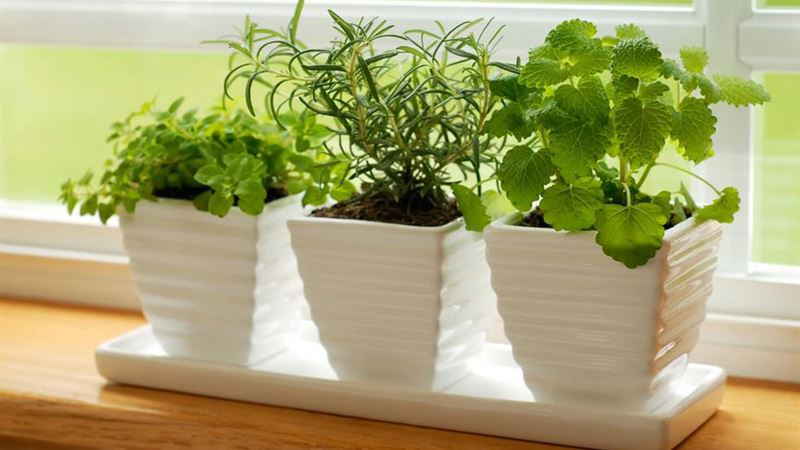
Indoor gardening offers a wonderful alternative for plant enthusiasts and homeowners who desire greenery but face outdoor space limitations or unfavorable weather conditions. Whether you're living in an apartment, experiencing cold seasons, or simply prefer cultivating plants inside, creating a thriving indoor garden can enhance your living space, improve air quality, and provide a soothing natural environment. This comprehensive guide explores the best plants for indoor cultivation, essential lighting requirements, necessary support structures for certain plants, and tips to integrate greenery seamlessly into your home decor.
**Top Indoor Plants to Consider**
When selecting plants for indoor environments, it's crucial to choose varieties that adapt well to contained spaces and varying light conditions. Some of the most popular and beneficial indoor plants include:
- Arugula
- Broccoli
- Brussels Sprouts
- Cabbage
- Cauliflower
- Spinach
- Kale
- Basil
- Catnip
- Chamomile
- Chives
- Cilantro
- Cumin
- Mint
- Rosemary
**Importance of Adequate Lighting in Indoor Gardening**
Lighting plays a pivotal role in the health and growth of indoor plants. While some plants can withstand lower light levels, others require direct sunlight to flourish. Since natural sunlight is often limited indoors, especially during winter or in shaded apartments, investing in suitable grow lights is essential. There are various types of indoor lighting options:
- Incandescent Lights
- Fluorescent Lights
- High-Intensity Discharge (HID) Lights
- Light-Emitting Diode (LED) Lights
**Supporting Structures for Indoor Plants**
Some indoor plants, especially vining and climbing varieties like tomatoes, cucumbers, peas, winter squash, beans, blackberries, raspberries, and grapes, require support structures to grow upright and avoid deformation. Support cages, trellises, and stakes can be purchased online or DIYed using instructional videos and tutorials. Providing adequate support promotes healthy development and maximizes space utilization in your indoor garden.
**Enhancing Home Decor with Indoor Greenery**
Integrating plants into your interior design not only beautifies your space but also improves air quality and contributes to a healthier environment. Green plants such as Chlorophytum (spider plant), ivy, Philodendron, Monstera, and Maranta (prayer plant) are excellent choices for creating lush indoor gardens. These plants produce oxygen, regulate humidity, and help filter indoor pollutants.
Furthermore, smaller plants like snake plants, peace lilies, aloe vera, bamboos, and money bonsai add charm to shelves, corners, and tables while being easy to care for. However, it's important to note that some indoor plants—like dieffenbachia or certain types of philodendron—contain toxins that can be harmful if ingested, especially for pets. Always research the safety of plants before introducing them into homes with animals or children.
**Tips for Maintaining a Thriving Indoor Garden**
Maintaining healthy indoor plants requires consistent care and attention. Regular watering, appropriate lighting, proper fertilization, and pest management are vital practices. Using high-quality soil and pots with adequate drainage helps prevent root rot and other issues. Additionally, monitoring humidity levels and adjusting watering schedules according to plant needs fosters optimal growth.
**Conclusion**
Indoor gardening is a rewarding activity that brings nature inside, enriching your living environment both aesthetically and health-wise. By choosing the right plants, providing suitable lighting, supporting structures, and integrating greenery into your home decor, you can create a lush indoor oasis regardless of outdoor conditions. With proper knowledge and care, your indoor garden can flourish and become a focal point of your home's ambiance and wellbeing.