
Transform Your Kitchen into a Lush Urban Garden: The Art of Indoor Green Culinary Spaces
Create a sustainable and beautiful indoor kitchen garden with our comprehensive guide. Learn how to design vertical gardens, optimize lighting, establish watering systems, and ensure proper drainage to grow fresh herbs and greens effortlessly. Transform your culinary space into a lush green oasis that enhances your cooking and promotes a healthier lifestyle. Perfect for small spaces, our tips will help you cultivate a vibrant indoor garden tailored to your needs. Discover easy steps to bring nature into your home and enjoy fresh herbs year-round. Ideal for urban dwellers and gardening enthusiasts alike.
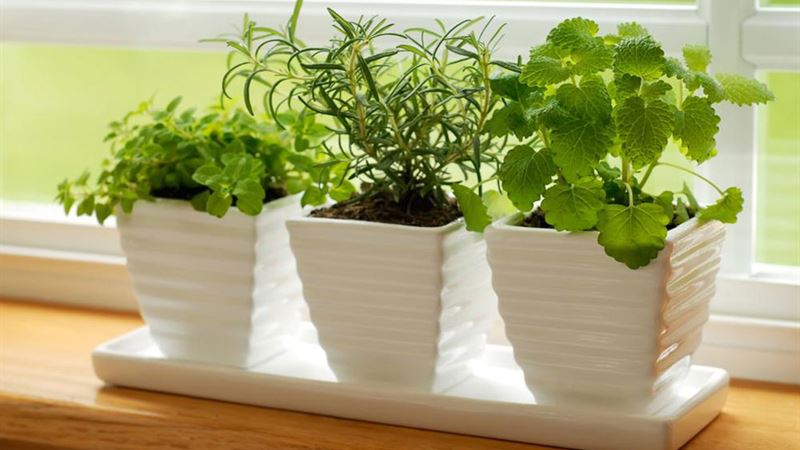
Imagine turning a portion of your kitchen into a vibrant, thriving garden that supplies fresh herbs and greens all year round. Whether you have limited space or a sprawling cooking area, cultivating a green sanctuary inside your home is not only feasible but also adds a touch of nature’s serenity to your daily life. This comprehensive guide will explore innovative ways to grow a kitchen garden, making your culinary space both functional and beautiful. From vertical wall gardens to windowsill herb containers, discover how to create a sustainable indoor oasis that elevates your cooking experience and promotes a healthier lifestyle. We will cover essential tips on selecting the right location, maintaining proper lighting, watering techniques, and ensuring optimal drainage to keep your indoor plants thriving.
Creating an indoor garden in your kitchen starts with understanding the available space and sunlight. For those with limited room, vertical gardening systems are an excellent choice, allowing you to maximize wall space by mounting plant containers or pocket planters that grow herbs, leafy greens, and even small vegetables. These systems are easy to install and can be tailored to your sensitivity to sunlight and watering needs. If space permits, a dedicated herb corner with containers on windowsills or shelves can also do the trick. The key to success lies in choosing the right plant species, especially herbs like basil, mint, rosemary, parsley, and chives, which thrive indoors and add flavor to your cooking.
Proper lighting is paramount for indoor gardening. South- or east-facing windows tend to provide ample sunlight; however, seasonal changes may affect light availability. Installing a skylight or supplemental grow lights can ensure your plants receive consistent illumination, promoting healthy growth. Invest in LED grow lights that mimic natural sunlight—it’s energy-efficient and adjustable for different growth stages. When positioning your plants, maintain a safe distance from direct sunlight to prevent scorching leaves, especially during peak hours.
Watering your indoor garden requires careful attention. A small herb container may only need regular watering with a watering can or spray bottle, but larger setups benefit from automatic watering systems. Consider drip irrigation systems that supply water gradually, ensuring consistent moisture without overwatering. These systems use tubing with tiny holes over each plant container, captivating the roots with just the right amount of water. This method minimizes manual effort and prevents plant stress caused by irregular watering schedules. Remember, overwatering can lead to root rot, so observing your plants and adjusting watering frequency accordingly is essential.
Drainage is often overlooked but is critical for a healthy indoor garden. Ensure your plant containers or wall-mounted planters have drainage holes to prevent excess water from accumulating at the roots. If building custom containers, incorporate drainage layers like rocks or pebbles at the bottom to facilitate water escape and avoid waterlogging. Installing a small conduit or drainpipe beneath your garden setup helps channel away excess water, maintaining a dry and healthy environment for your plants. Adequate drainage not only prevents root rot but also helps maintain optimal soil conditions.
After setting up your indoor garden, select high-quality, organic seeds, preferably heirloom varieties that reliably produce flavorful herbs and greens. Planting them in suitable containers filled with well-draining soil or potting mix provides a strong foundation for growth. With proper care, your herb garden will flourish within weeks, filling your kitchen with fresh aromas and vibrant greenery. Regularly harvest your herbs to encourage continuous growth and enjoy the satisfaction of cooking with ingredients you’ve grown yourself. An indoor kitchen garden is more than just a visual delight; it’s a step toward sustainable living and healthier eating habits.