
Ultimate Guide to Low-Maintenance Indoor Plants for a Beautiful Home
Discover the best low-maintenance indoor plants that brighten your home with minimal effort. From resilient Aloe Vera to vibrant Anthuriums and lush Ferns, this guide provides expert advice on caring for easy-care greenery. Perfect for busy lifestyles, these plants require simple watering routines and thrive in various indoor conditions, boosting your home's aesthetic and air quality. Learn how to select, place, and care for your indoor garden successfully, ensuring your plants flourish and add natural beauty to your living space effortlessly.
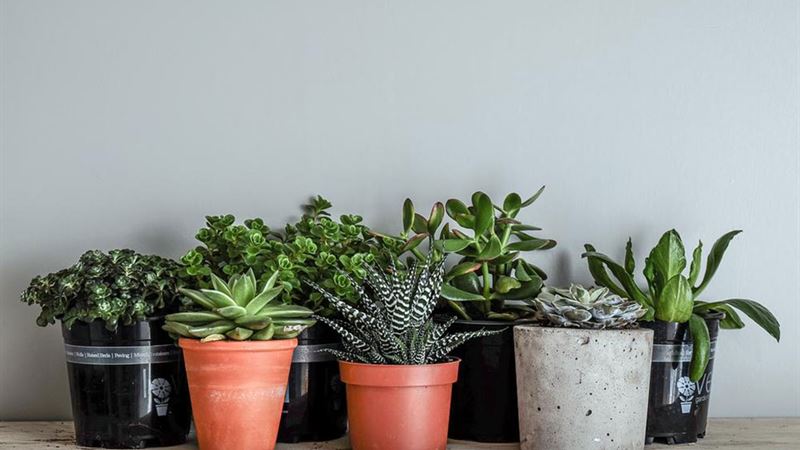
Creating a lush, vibrant indoor environment doesn't require extensive gardening skills or constant care. Many houseplants are naturally hardy, thrive with minimal attention, and add a touch of nature's beauty to your living space. Whether you're a busy professional, a student, or simply someone seeking easy greenery, choosing the right low-maintenance indoor plants can transform your home into a green sanctuary while requiring little effort. In this comprehensive guide, we explore some of the best low-maintenance indoor plants, their care requirements, and tips to keep them healthy and flourishing year-round.
Starting with a popular choice, Aloe Vera is renowned not only for its medicinal and skin-care benefits but also for its resilience as a houseplant. It loves sunlight, so placing it on a sunny windowsill is ideal. However, direct sunlight can sometimes cause the leaves to turn brown or develop sunburn signs, so indirect light is preferable. Aloe Vera is drought-tolerant, needing infrequent watering—typically only when the soil is completely dry—which makes it perfect for those forgetful watering habits. In winter, watering can be even less frequent, as the plant's growth slows down significantly.
Moving on to another beautiful and easy-to-care-for houseplant, the Anthurium, commonly known as the flamingo flower, makes an excellent addition to any home decor. This plant boasts large, glossy, heart-shaped leaves and vibrant flowers that can be bright red, pink, or white, adding a splash of color to your indoor space. One of the significant advantages of Anthuriums is their adaptability; they do not require direct sunlight and thrive in low to medium light conditions. They can grow up to 2 to 3 feet in height and width with minimal fuss, and are quite forgiving when it comes to watering. Regular watering, combined with proper soil and sunlight conditions, encourages prolonged blooming and healthy growth. The plant’s resilience and attractive appearance make it ideal for busy households or office environments.
Another fantastic low-maintenance option is the Asparagus Fern. Despite its name, it isn't a true fern but belongs to the lily family. Its delicate, frilly, and feathery foliage creates a lush, textured appearance, making it a visually appealing centerpiece or accent in your home. Growing asparagus fern is straightforward; it prefers indirect sunlight but is tolerant of a variety of indoor conditions. Watering the plant regularly—allowing the topsoil to dry out between waterings—is enough to keep it happy. However, when pruning dead stems or repotting, it's essential to wear gloves, as the plant has thorny spurs that can prick the skin. This plant's air-purifying qualities and aesthetic appeal make it a popular choice among indoor plant enthusiasts seeking minimal maintenance.
Lastly, the Peace Lily stands out as one of the easiest and most forgiving houseplants. It is praised for its glossy, dark green leaves and striking white, spoon-shaped flowers that bloom periodically, adding elegance and calmness to any space. Peace Lilies adapt well to low light and humidity, making them perfect for offices, bedrooms, or dimly lit corners at home. While they do require regular watering, especially when their soil feels dry, they can tolerate occasional neglect. Brightening them with direct sunlight once in a while encourages more frequent blooming, but it's not necessary. An important consideration is that parts of the Peace Lily, including leaves and flowers, are toxic if ingested, so keep them away from children and pets.
Choosing the right indoor plants doesn't mean sacrificing beauty for ease of care. Select from these resilient options to create a lively, stress-relieving environment. Always ensure proper placement, suitable watering schedules, and safe positioning away from kids and pets to enjoy a thriving indoor garden with minimal effort. These plants not only enhance your home's aesthetic appeal but also improve air quality and overall well-being, making them a perfect addition to any household.