
Comprehensive Guide to Ulcerative Colitis: Symptoms, Diagnosis, and Treatment Strategies
This detailed guide explores ulcerative colitis, highlighting its symptoms, diagnostic methods, and treatment options. Learn how to manage flare-ups through medication, diet, stress management, and when surgical intervention is necessary. Empower yourself with knowledge to control this chronic condition effectively and improve your quality of life.
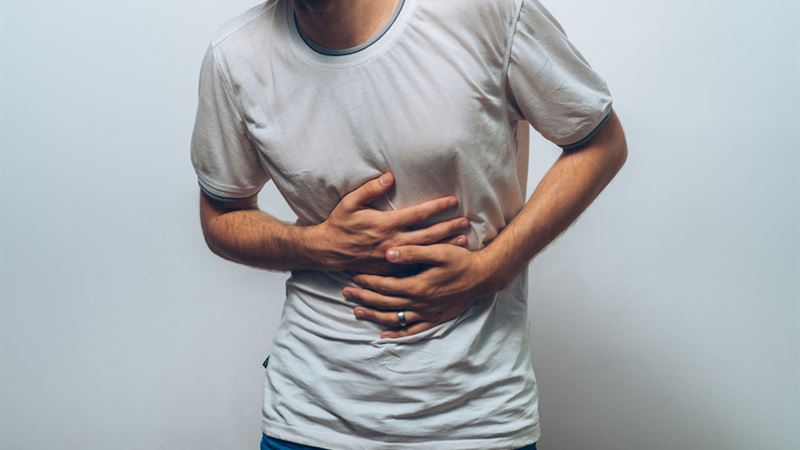
Recognizing the Symptoms of Ulcerative Colitis
- Dehydration and excessive thirst
- Painful and urgent bowel movements
- Presence of blood in stool
- Discharge of pus or mucus
- Persistent abdominal pain or cramping
- Fever and chills
- Skin irritations, rashes, or sores
If you experience any combination of these symptoms, seeking medical evaluation is crucial. Accurate diagnosis involves a series of specialized tests to confirm ulcerative colitis. The primary diagnostic methods include:
- Endoscopic Procedures
These involve colonoscopy or proctosigmoidoscopy, allowing doctors to visually inspect the interior of your colon and rectum for signs of inflammation, ulcerations, or other abnormalities. Biopsies may be taken during these procedures for further examination.
- Stool Analysis
Collecting stool samples helps detect blood, mucus, or infectious agents that could exacerbate symptoms and provide clues about the severity of the inflammation.
- Imaging Tests: X-rays, CT scans, and MRIs
These imaging tools help assess the extent of inflammation and damage. They are particularly useful in identifying complications such as toxic megacolon or fistulas and determining if other organs are affected.
Understanding these diagnostic procedures allows for better management and tailored treatment plans for ulcerative colitis.
Effective Treatment Options for Ulcerative Colitis
Managing ulcerative colitis involves a combination of lifestyle modifications, medication, and sometimes surgical intervention. Each step is essential for controlling symptoms, reducing inflammation, and preventing complications. Here are comprehensive strategies to help you navigate this chronic condition:
- Maintain Adequate Hydration
During flare-ups, diarrhea and vomiting can cause significant fluid loss. Ensuring adequate water intake helps prevent dehydration, supports organ function, and alleviates some symptoms. Drinking water, electrolyte solutions, or broths is recommended to maintain electrolyte balance and hydration.
- Manage Stress Effectively
While emotional stress isn't a direct cause of ulcerative colitis, it can certainly worsen symptoms. Incorporating relaxation techniques like yoga, meditation, deep breathing, or mindfulness can significantly reduce stress levels. Regular physical activity also boosts mental health and overall well-being.
- Adopt a Nutrient-Rich, Gentle Diet
Eating plays a vital role in symptom management. Opt for easily digestible, low-residue foods during flare-ups to minimize bowel irritation. Avoid high-fat, spicy, and fiber-rich foods that can exacerbate symptoms. Incorporate small, frequent meals rich in vitamins and minerals to support healing.
- Medication Adherence
Consistent use of prescribed medicines is critical for controlling inflammation and preventing flare-ups. Common medications include aminosalicylates, corticosteroids, immunomodulators, and biologics. Never skip doses and consult your healthcare provider before making any changes to your treatment plan.
- Eliminate Alcohol Consumption
Alcohol can irritate the colon and intensify inflammation, leading to more severe symptoms. Abstaining from alcoholic beverages during flare-ups is essential, and moderation is advised even during remission periods to maintain colon health.
- Incorporate Regular Physical Activity
Engaging in moderate, regular exercise can reduce stress, improve digestion, and enhance immune function. Activities like walking, swimming, or gentle yoga can be beneficial without overtaxing your body.
- Include Probiotics in Your Diet
Some research suggests that probiotics help restore balance to the gut microbiota, which can be disrupted by inflammation or medication. Consuming probiotic-rich foods such as yogurt, kefir, or nutritional supplements may support intestinal health.
- Surgical Interventions for Severe Cases
Surgery is typically reserved for cases where medical therapy fails or complications arise. Common procedures include removal of damaged portions of the colon or rectum. Post-surgery, some patients will need to wear a waste pouch, while others may undergo reconstructive procedures. Discuss options thoroughly with your healthcare team regarding benefits and risks.
Understanding the surgical options reveals the importance of personalized treatment plans and the need for ongoing medical support.
- Ileal Pouch Anal Anastomosis (IPAA) or Pelvic Pouch
A common surgical procedure where the colon and rectum are removed, and a pouch is created from the small intestine to store waste, which is then emptied through the anus.
- Continent Ileostomy or Kock Pouch
Involves creating an internal pouch connected to the abdominal wall, allowing waste to be expelled voluntarily through a stoma with a valve to prevent leakage.
In conclusion, while medication and lifestyle modifications effectively manage most cases of ulcerative colitis, surgery remains the definitive cure for severe or refractory disease. Continuous monitoring, patient education, and a strong support system are keys to improving quality of life for those affected by this chronic gastrointestinal disorder.