
Comprehensive Benefits of PET Imaging in Lung Cancer Diagnosis and Management
PET imaging has significantly advanced lung cancer detection and management by offering high-precision, non-invasive diagnostic capabilities. It helps accurately locate tumors, assess metastasis, and monitor treatment response, ultimately guiding effective therapies and improving patient outcomes. This detailed, painless technique minimizes unnecessary procedures and enhances clinical decision-making, making it an invaluable tool in modern oncology.
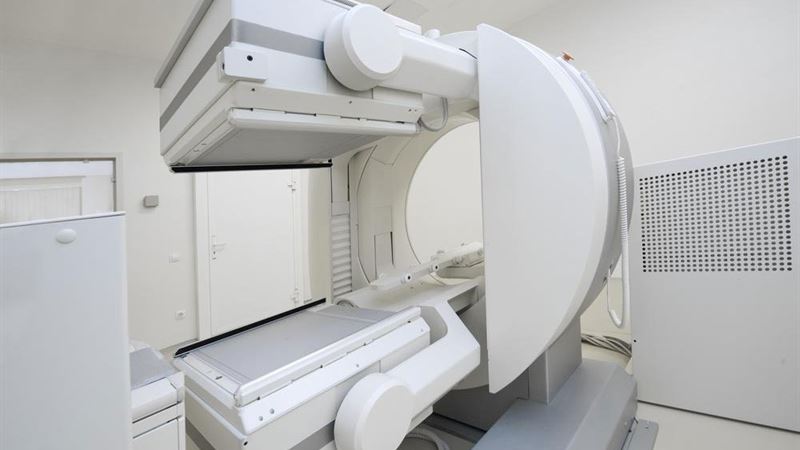
Role of PET in Lung Cancer Diagnosis and Staging
PET scans serve as critical tools for detecting lung cancer, precisely locating tumor sites, and determining the extent of disease spread. This information is vital for accurate staging, which influences treatment decisions, prognosis assessment, and surgical planning. PET imaging can reveal previously undetectable metastatic lesions, providing a comprehensive picture of the disease's progression. Early and precise detection through PET can lead to more targeted interventions, ultimately improving patient outcomes.
Key Advantages of PET Imaging in Lung Cancer Management
- Exceptional Diagnostic Precision: PET and combined PET-CT scans offer unmatched sensitivity and specificity in identifying malignant tissues within the lungs. This precision assists clinicians in differentiating benign from malignant nodules, even in small or ambiguous cases.
- Non-invasive and Painless Process: Unlike traditional tissue biopsies, PET scans do not require surgical procedures, reducing physical discomfort and procedural risks. The process generally involves a simple intravenous injection of the radioactive tracer, followed by a waiting period before imaging, during which the patient remains comfortable and relaxed.
- Detailed Visualization: The advanced imaging capabilities of PET scans produce high-resolution images that depict minute details within lung tissues. These detailed images enable physicians to accurately assess tumor morphology, metabolic activity, and potential spread, essential for effective treatment planning.
- Monitoring Treatment Effectiveness: PET scans are invaluable for evaluating how well a therapy is working by measuring changes in tumor activity. A decrease in tracer uptake indicates successful treatment, whereas persistent or increased activity might suggest resistance or progression, prompting timely modifications to the treatment regimen.
- Reduction in Unnecessary Procedures: By providing comprehensive insights into tumor status, PET imaging can decrease the need for invasive diagnostic procedures, such as biopsies or exploratory surgeries, thereby reducing patient risk, discomfort, and healthcare costs.
Throughout the history of cancer management, PET technology has been celebrated for its potential to improve diagnosis, support personalized treatment plans, and enhance patient care. Nonetheless, medical experts emphasize that correct interpretation of PET images is crucial to maximize its benefits. Proper training, experience, and integration with other diagnostic tools ensure that PET imaging continues to serve as a cornerstone in the fight against lung cancer.