
Comprehensive Guide to the Stages of Lung Cancer: Understanding Diagnosis and Progression
This comprehensive guide explores the various stages of lung cancer, including NSCLC and SCLC, highlighting diagnosis, progression, and treatment options. Early detection is emphasized as crucial for effective management and improving survival outcomes. Understanding the staging system helps patients and healthcare providers make informed decisions about treatment strategies, ultimately enhancing prognosis and quality of life.
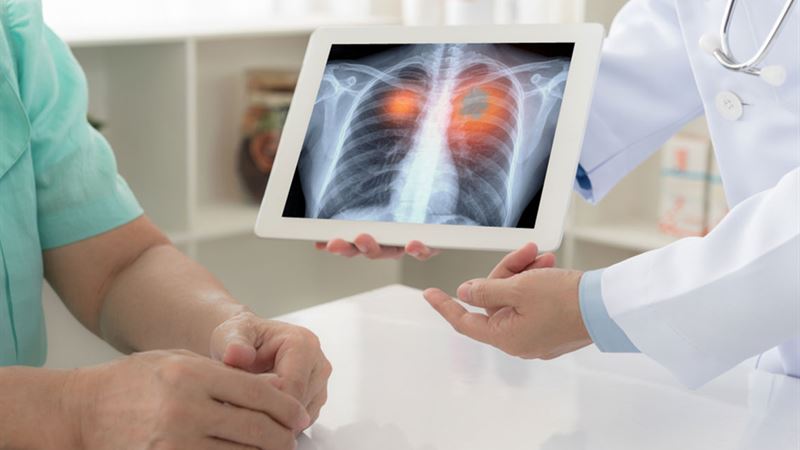
Lung cancer is one of the most common and deadly types of cancer worldwide. It can develop silently over time, often presenting few or no symptoms in its early stages. Accurate staging of lung cancer is critical for determining the most effective treatment options and predicting patient outcomes. Both small-cell lung cancer (SCLC) and non-small-cell lung cancer (NSCLC) exhibit distinct progression patterns and staging systems, which guide clinicians in making informed decisions.
Understanding the various stages of lung cancer is essential for patients, caregivers, and healthcare providers. Accurate staging not only helps in assessing the extent of the disease but also influences treatment choices ranging from surgery and chemotherapy to targeted therapies and radiation. Early detection significantly improves prognosis, emphasizing the need for awareness and regular screening, especially in high-risk populations.
This comprehensive article explores the detailed stages of NSCLC and SCLC, elucidating the differences, diagnostic criteria, and implications for treatment strategies. Delving into the specifics of each stage, this guide aims to enhance understanding and promote timely diagnosis and management of lung cancer.
**Stages of Non-Small-Cell Lung Cancer (NSCLC)**
- Stage 1: Cancer is confined within the lung tissue itself. No spread to lymph nodes or other parts of the body is observed at this stage. Patients often have the highest chances for successful treatment, typically involving surgical removal of the tumor, with a favorable prognosis.
- Stage 3A: Tumors involve lymph nodes on the same side as the primary tumor, with localized regional spread.
- Stage 3B: Cancer has invaded lymph nodes on the opposite side or above the collarbone, indicating a more advanced local spread.
**Staging of Small-Cell Lung Cancer (SCLC)**
SCLC tends to grow rapidly and is usually diagnosed at a more advanced stage. Its staging is generally simplified into two broad categories:
- Limited Stage: Cancer is confined to one lung and possibly nearby lymph nodes. Treatment usually involves a combination of chemotherapy and radiation, with some cases undergoing surgery.
- Extensive Stage: When the cancer has spread beyond the limited area, involving the opposite lung, distant lymph nodes, or metastasized to other organs. The prognosis in extensive stage SCLC is poorer, and treatment is generally aimed at prolonging survival and alleviating symptoms.
Understanding these stages provides vital information for personalized treatment planning and helps set realistic expectations. Early detection through screening programs, such as low-dose CT scans, plays a pivotal role in identifying lung cancer at manageable stages, ultimately improving survival rates.
Recognizing symptoms like persistent cough, chest pain, shortness of breath, or unexpected weight loss are crucial for early diagnosis. Regular health check-ups and risk assessments, especially for smokers or individuals with a family history, can significantly impact outcomes by catching the disease early when curative treatments are most effective.
In conclusion, lung cancer remains a significant health challenge worldwide. Advances in imaging, biopsy techniques, and targeted therapies continue to improve the management and outcomes for patients across all stages. Awareness and early detection are key in the fight against lung cancer, emphasizing the importance of vigilance and proactive health behaviors.