
Top Natural Vitamins and Nutrients for Optimal Heart Health
Discover the top natural vitamins and nutrients that support heart health effectively. Learn how omega-3s, plant sterols, lecithin, lycopene, garlic, and policosanol can help reduce cholesterol, lower blood pressure, and prevent heart disease. Incorporate these heart-friendly foods into your diet naturally for a healthier life. The guide offers practical tips and thoroughly explains how these nutrients improve cardiovascular wellness, emphasizing safe, natural, and accessible options for everyone seeking to boost their heart health without relying solely on medications.
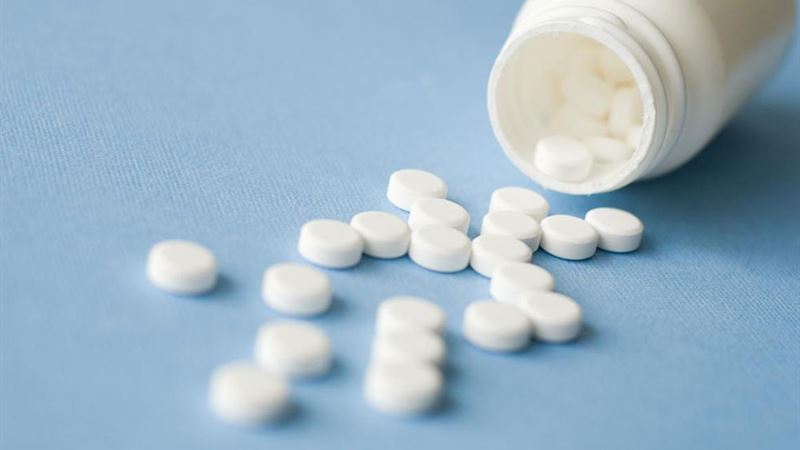
Here, we delve into the top natural ingredients and vitamins known for their cardioprotective properties, offering practical advice on how to include them in your routine. Whether you’re looking to prevent heart disease or support recovery, these natural options provide a safe, effective, and economical way to optimize your heart health.
Let’s examine the most potent natural nutrients that can significantly bolster your cardiovascular system:
- Omega-3 Fatty Acids (EPA & DHA)
Omega-3 fatty acids, specifically eicosapentaenoic acid (EPA) and docosahexaenoic acid (DHA), are fatty acids predominantly found in cold-water fish like salmon, mackerel, sardines, and in fish oil supplements. These essential fats have been extensively studied for their heart-protective properties. They are known to lower triglycerides, reduce inflammation, and improve overall arterial health.
Regular consumption of EPA and DHA has been linked to a decreased risk of heart attacks and strokes. These fatty acids help regulate blood pressure, prevent blood clot formation, and support normal heart rhythm. Moreover, incorporating fish oil supplements into your diet can be a simple, effective way to ensure adequate intake, especially if fish consumption is limited.
The safety profile of fish oil is well-established; consuming recommended doses typically does not cause adverse effects, making it a practical option for most people interested in natural heart health strategies. - Plant Sterols (Phytosterols)
Plant sterols or phytosterols are compounds found in plant cell membranes, which can help lower low-density lipoprotein (LDL) cholesterol—the bad cholesterol linked to heart disease. They work by blocking the absorption of cholesterol in the intestines, effectively reducing blood cholesterol levels.
Incorporating phytosterols into your diet can significantly decrease your risk of coronary artery disease. They naturally occur in foods like wheat germ oil, corn oil, sesame seeds, soybeans, rice bran, and nuts such as almonds and walnuts. Dietary guidelines suggest consuming about 2 to 3 grams of phytosterols daily for optimal benefits.
You can also find fortified foods containing plant sterols, like spreads and dairy products, which make it easier to increase your intake without drastic dietary changes. - Lecithin and Choline
Lecithin is a phospholipid rich in choline, an essential nutrient involved in liver function, brain development, and cellular repair. Choline has been shown to help lower homocysteine levels—a risk factor for cardiovascular disease—and support healthy lipid metabolism.
Good dietary sources of lecithin include eggs (particularly pastured eggs), beef liver, soybeans, and cruciferous vegetables like broccoli and Brussels sprouts. Regular intake of choline-rich foods can contribute to improved heart health, especially when combined with other lifestyle modifications.
Supplementing with lecithin can also be beneficial, particularly for individuals with high blood cholesterol levels or metabolic concerns. - Policosanol
Derived from plant waxes, especially sugar cane, policosanol is a natural supplement known for its cholesterol-lowering properties. It works by inhibiting cholesterol synthesis in the liver, thereby reducing LDL cholesterol and increasing HDL (good cholesterol).
Consuming policosanol regularly can significantly improve blood lipid profiles within a few weeks. Research indicates that doses of around 10-20 mg daily can reduce bad cholesterol by approximately 20-25% and promote healthier blood lipid levels, lowering the risk of coronary artery blockages. - Lycopene
Lycopene is a powerful antioxidant predominantly found in red and pink fruits and vegetables, with tomatoes being the most abundant source. It plays an important role in neutralizing free radicals, reducing oxidative stress, and preventing damage to blood vessels.
Numerous studies link lycopene intake with decreased risk of cardiovascular diseases and improved arterial health. Adding cooked or raw tomatoes, watermelon, pink grapefruit, and papaya to your diet can boost your lycopene levels naturally. Consuming lycopene-rich foods regularly can contribute to lower blood pressure and reduced inflammation, essential for heart health. - Garlic
Garlic has been valued for centuries for its medicinal properties, especially regarding cardiovascular wellness. It contains compounds like allicin, which are known to reduce blood pressure, decrease cholesterol levels, and prevent blood clot formation.
Regular garlic intake—about 2 grams per week—can have beneficial effects on your heart health. Rich in vitamin B6 and manganese, garlic also supports antioxidant activity and detoxification processes that keep your heart functioning optimally.
Incorporate fresh garlic into your meals daily to harness its full benefits, making it a natural and affordable heart health booster.
These natural nutrients form the foundation of a heart-healthy diet. They are easily obtainable from everyday foods and supplements, making it convenient to incorporate them into your routine without relying solely on pharmaceuticals. Emphasizing a balanced diet rich in these components can markedly reduce your risk of developing cardiovascular diseases and help you maintain a robust, healthy heart.
To maximize their benefits, plan your diet conscientiously. Focus on including fatty fish, nuts, seeds, vegetables, and fruits known for their high lycopene content and additional nutrient-rich foods. Combining these dietary strategies with regular physical activity and lifestyle modifications like quitting smoking and managing stress can significantly improve your heart health.
It’s essential to consult with healthcare providers before making major changes or adding supplements, especially if you have existing health conditions or are on medication. Nevertheless, understanding and utilizing natural vitamins and nutrients as part of your daily routine offers a promising path toward a healthier heart, reduced disease risk, and improved quality of life. Start today by integrating these heart-supportive foods into your diet and enjoy the multitude of health benefits they provide.