
Comprehensive Guide to Dental Implants: Benefits, Procedure, and Key Considerations
Explore the comprehensive benefits of dental implants, understanding their components, the procedure process, and why they are considered a superior option for replacing missing teeth. Discover how implants improve durability, preserve bone health, and boost confidence with a natural appearance.
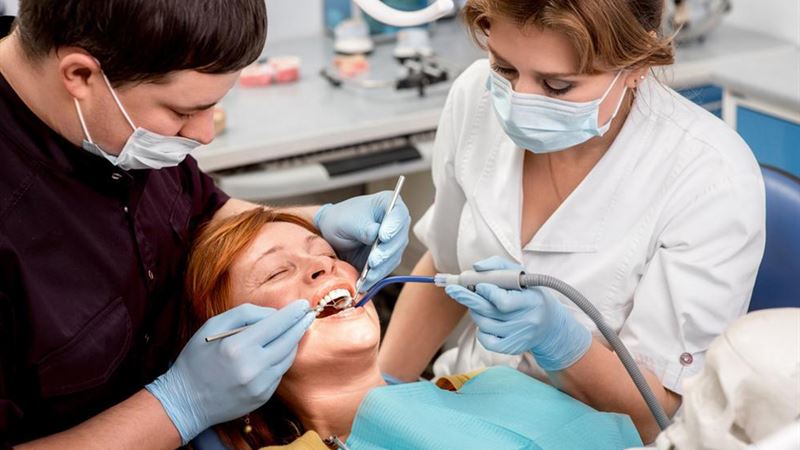
Dental restoration options vary widely, including traditional dentures, fixed dental bridges, and modern dental implants. Among these, implants have gained remarkable popularity due to their durability and natural appearance. The decision to choose a dental implant hinges on several crucial factors, which your dentist will evaluate thoroughly. These include the precise position of the missing tooth, the overall health and condition of your oral cavity, financial considerations, and the structural integrity of your jawbone, which must support the implant. Additionally, personal preferences often influence the final choice.
To determine your suitability for dental implant surgery, your dental specialist conducts a comprehensive examination. They assess the health of your mouth, the density and quality of your jawbone, and other critical factors that impact the success of the procedure. Only after this detailed evaluation can they recommend the most appropriate treatment plan tailored to your needs.
Understanding the Components of a Dental Implant
Dental implants consist of three fundamental parts, each serving a specific function essential for restoring your smile effectively. These parts work together seamlessly to provide a durable and aesthetic solution for missing teeth.
- The Implant Fixture: This is the core element of the dental implant, commonly referred to as the screw or post. Made from biocompatible materials like titanium or zirconia, the implant functions as a root substitute. Once inserted into the jawbone, it fuses with the bone tissue in a process called osseointegration, providing a stable foundation for the artificial tooth.
- The Abutment: Serving as a connector, the abutment links the dental implant to the visible restoration. It is typically attached after the implant has successfully integrated with the jawbone. The abutment can be either permanent or removable, depending on the specific design and patient needs.
- The Crown: This is the visible part of the dental restoration, crafted to resemble a natural tooth in both appearance and function. Made from durable materials such as porcelain, zirconia, or a combination thereof, the crown is custom-designed to match the color, shape, and size of your existing teeth, ensuring a harmonious and natural smile.
Advantages of Choosing Dental Implants
Dental implants offer numerous advantages that make them a superior choice for tooth replacement. These benefits include:
- Exceptional Longevity: Implants are highly durable and can last many years, often decades, with proper care, outlasting traditional dentures and bridges.
- Preservation of Adjacent Teeth: Unlike bridges that require the modification of neighboring healthy teeth, implants do not affect surrounding teeth, helping preserve the natural tooth structure.
- Minimal Impact on Gums: The implant procedure is designed to be minimally invasive, reducing trauma to your gum tissues and promoting faster healing.
- Reduction in Bone Loss: Implants stimulate the jawbone, preventing bone resorption that typically occurs with missing teeth, and maintaining facial structure.
- Enhanced Comfort and Functionality: Once integrated, dental implants function like natural teeth, offering a high level of biting force and comfort for everyday activities like chewing and speaking.
- Boost in Confidence: Restoring your smile with a natural-looking implant can significantly improve your self-esteem and social interactions.
Ultimately, dental implants represent a state-of-the-art solution that combines functional durability with aesthetic appeal, greatly enhancing your quality of life.