
Effective Strategies to Enhance Your Mental Well-Being at Home
Discover practical and easy-to-implement strategies to enhance your mental well-being at home. From gentle exercise routines and meditation to writing, time management, and aromatherapy, these methods can help reduce stress and promote emotional stability. Incorporate these techniques into your daily life for long-term mental health benefits and a more balanced, peaceful mind.
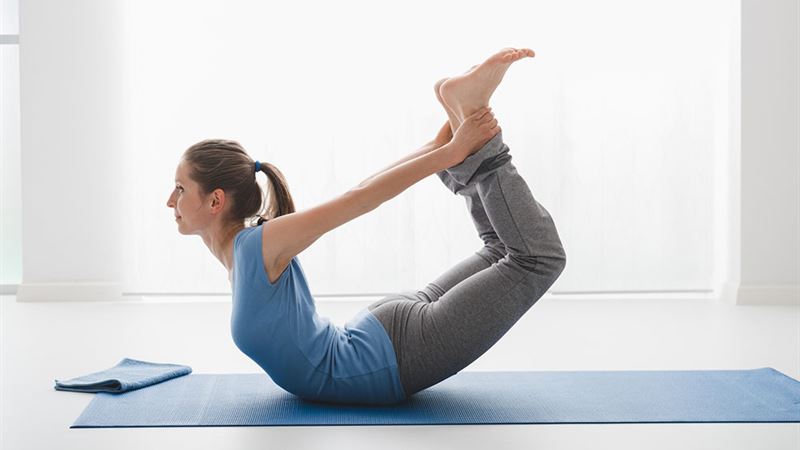
Regular physical activity plays a crucial role in boosting mental health. You don’t need to engage in intensive workouts; gentle exercises like yoga, Pilates, walking, cycling, or swimming can provide remarkable benefits. The key is consistency—not just performing these activities sporadically, but making them a daily habit. Engaging in physical activity releases endorphins, natural mood lifters that help reduce feelings of stress and anxiety. Even a short, 15-minute session can make a noticeable difference in your mental state. Find an activity that you enjoy and stick to it; this will encourage you to maintain the routine and experience long-term mental health benefits.
Another powerful technique to promote mental clarity and relaxation is meditation. Today’s fast-paced lifestyle often leaves little room for introspection or tranquility. Carving out even a few minutes each day for meditation can help soothe your mind, reset your emotional balance, and foster a sense of peace. Meditation helps in clearing mental clutter, calming racing thoughts, and reducing the ongoing accumulation of stress and anxiety. It is particularly beneficial for individuals experiencing mood fluctuations or emotional upheavals, providing a stable foundation for emotional regulation. To start, find a quiet space, sit comfortably, and focus on your breath or a calming image. Over time, meditation can become an essential part of your daily routine, promoting mental resilience and emotional health.
Writing is another accessible and therapeutic activity that can significantly diminish stress. When words come easily to you, journaling allows an outlet for expressing thoughts, emotions, and experiences. Even if you believe your writing isn’t perfect, the act of putting pen to paper helps in processing feelings and gaining insights into your emotional landscape. You can write about your day, your dreams, or your worries, or create stories and poems that reflect your inner thoughts. Regular writing encourages self-awareness and provides a safe space for emotional release, ultimately fostering mental clarity and reducing feelings of anxiety or depression.
Effective time management is essential in maintaining mental stability amid busy schedules. Many people feel overwhelmed due to poor planning or inability to prioritize tasks. Developing a personal schedule or timetable helps organize your day, ensuring that vital activities like self-care, work, and relaxation are balanced. Use a large, visible planner or digital tool to map out your day, including designated times for breaks and leisure. While interruptions are inevitable, sticking to a planned routine minimizes wasted time and reduces the stress of last-minute deadlines. Cultivating discipline in managing your time allows for a greater sense of control, decreasing anxiety and enhancing your overall mental health.
Aromatherapy offers a natural way to uplift your spirits and reduce stress. By introducing pleasant scents into your home environment, you create a calming ambiance conducive to relaxation. Many plant-derived essential oils like lavender, chamomile, and eucalyptus possess properties that promote mental calmness. Applying these oils through massage, adding a few drops to a warm bath, or using an essential oil diffuser can fill your space with soothing aromas. The gentle scent triggers relaxation responses in the brain, helping to alleviate feelings of tension and promote a restful state of mind. Incorporating aromatherapy into your daily routine can serve as a simple, effective method to nurture your mental well-being.