
Comprehensive Guide to Recognizing the Signs and Symptoms of Diverticulitis
This in-depth article provides a detailed overview of diverticulitis, including its causes, symptoms, diagnosis, and treatment options. Understanding these aspects can help individuals recognize early signs, seek timely medical care, and adopt preventive lifestyle changes. Recognizing symptoms like lower left abdominal pain, bowel habit changes, and systemic signs like fever and bleeding is crucial. The article also covers diagnostic techniques such as CT scans and colonoscopy, along with management strategies ranging from diet modifications to surgical interventions, emphasizing the importance of early detection and personalized treatment for optimal health outcomes.
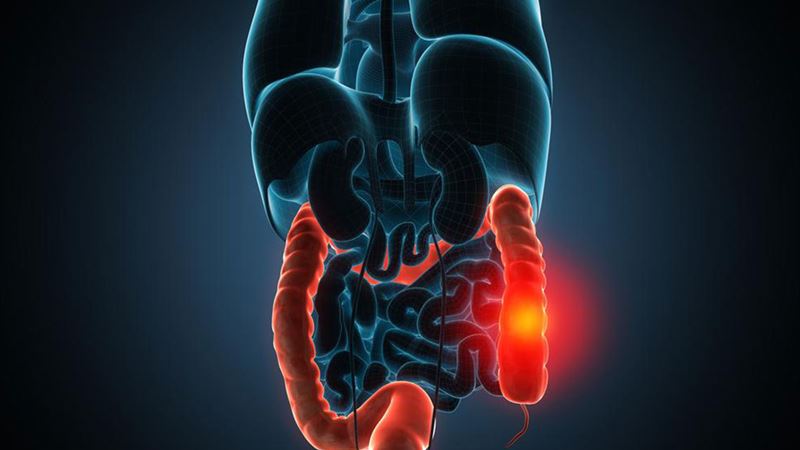
Diverticulitis is a digestive condition characterized by inflammation or infection of small pouches called diverticula that develop along the walls of the colon. These diverticula are often formed due to increased pressure within the colon, often caused by a lack of fiber in the diet. When these pouches become infected or inflamed, the condition progresses into diverticulitis. Maintaining a high-fiber diet, staying well-hydrated, and adopting healthy lifestyle habits can significantly reduce the risk of developing diverticulitis. Recognizing the early symptoms and understanding when to seek medical attention are crucial for effective treatment and avoiding potential complications.
In this extensive guide, we will delve into the various symptoms, diagnostic procedures, and treatment options for diverticulitis. Whether you are experiencing mild discomfort or severe symptoms, understanding this condition can help you take timely action to safeguard your health.
Understanding Diverticulitis: Causes and Risk Factors
Diverticulitis develops primarily due to the formation of diverticula in the colon wall, which can become infected. Several risk factors contribute to the formation of these pouches, and understanding them can help in prevention:
- Low Fiber Intake: A diet deficient in dietary fiber leads to harder stools, requiring increased pressure during bowel movements, which can cause diverticula to form.
- Age: Older adults are more susceptible as the colon wall tends to weaken over time.
- Lack of Physical Activity: Sedentary lifestyles contribute to constipation and increased colonic pressure.
- Obesity: Excess body weight is linked to higher risk of diverticulitis.
- Smoking and Certain Medications: Smoking and prolonged use of NSAIDs or steroids may increase the likelihood.
Common Symptoms of Diverticulitis
Spotting the symptoms early can be challenging since some signs resemble other gastrointestinal issues. However, specific signs are characteristic of diverticulitis:
Persistent Lower Abdominal Pain
The hallmark symptom is a constant, localized pain in the lower left side of the abdomen. This discomfort often begins below the navel and steadily intensifies over time. Movement or pressure can worsen the pain, making it difficult to perform everyday activities. Patients often describe this pain as deep, steady, and cramping in nature. It can be mistaken for other conditions, so close observation and medical evaluation are essential.
Changes in Bowel Habits
Diverticulitis can cause significant alterations in bowel patterns. Individuals may experience episodes of constipation, diarrhea, or alternating episodes of both. These irregularities occur because inflammation influences normal bowel function, leading to discomfort and irregularity in elimination patterns.
Bloating, Gas, and Digestive Distress
Many patients report bloating and excessive gas, which can further contribute to abdominal discomfort. These symptoms often accompany other digestive issues, complicating diagnosis.
Loss of Appetite, Nausea, and Vomiting
Infected diverticula can lead to general malaise, characterized by a decreased appetite, nausea, and sometimes vomiting. These systemic symptoms reflect the immune response to infection and inflammation.
Fever and Chills
A common indicator of diverticulitis is a fever exceeding 38°C (100.4°F), often accompanied by chills. This response signifies that the body is fighting an infection, requiring prompt medical assessment.
Rectal Bleeding
While less common, rectal bleeding can occur, presenting as dark reddish or purple blood in stool. Bleeding is typically mild and self-limiting but can become severe if complications arise.
Potential Long-term Symptoms and Complications
Untreated diverticulitis can escalate into serious health issues. Persistent or worsening symptoms should warrant urgent medical consultation:
- Severe abdominal pain that intensifies over time
- Uncontrolled or prolonged fever
- Difficulty tolerating food or liquids, leading to vomiting
- Persistent constipation or bowel obstruction
- Abdominal distension and bloating
- Burning sensation during urination
- Persistent rectal bleeding
These signs suggest complications such as abscess formation, perforation of the colon, fistula development, or peritonitis, all of which demand immediate medical attention.
Diagnosing Diverticulitis
Accurate diagnosis involves a combination of physical examination, laboratory tests, and imaging studies:
Physical Examination
The healthcare provider will perform a thorough abdominal exam, palpating areas of tenderness, swelling, or rigidity. A digital rectal exam may be conducted to assess for bleeding or pain.
Blood Tests
Blood work can reveal elevated white blood cell counts, indicating an infection. Liver and other organ function tests might also be ordered to rule out other causes.
Stool Tests
Stool analysis helps identify infections or blood presence, aiding in differential diagnosis.
Imaging Procedures
Computed Tomography (CT) Scan: This is the most reliable imaging modality for diverticulitis. It provides detailed cross-sectional images of the colon, revealing inflamed or infected diverticula, abscesses, or perforations.
Colonoscopy: Performed after the acute phase has subsided, a colonoscopy offers a direct view of the inner lining of the colon. It helps assess the extent of diverticular disease but is generally avoided during active inflammation due to risk of perforation.
Sigmoidoscopy: Similar to colonoscopy but focused on the sigmoid colon, it is less invasive and useful in diagnosing diverticulitis.
Effective Treatment Strategies for Diverticulitis
Management depends on the severity of the condition. Mild cases can often be treated conservatively at home, while severe cases may require hospitalization, intravenous antibiotics, or even surgery.
Non-Surgical Management
- Rest and Fluid Intake: Adequate bed rest and a clear liquid diet help reduce colonic workload and promote healing.
- Gradual Dietary Transition: Once symptoms improve, solid foods rich in fiber should be reintroduced slowly, promoting bowel regularity.
- Medication: Antibiotics are prescribed to treat infection, often combined with pain relievers. It's important to follow the prescribed course meticulously.
- Monitoring and Follow-up: Regular checkups ensure recovery is on track and prevent recurrence.
Surgical Interventions
Surgery might be necessary if complications such as perforation, abscess formation, or fistula occur. Common procedures include colon resection with anastomosis, either via minimally invasive laparoscopy or open surgery. Postoperative care involves antibiotics and gradual resumption of diet, with follow-up to monitor recovery.
Preventive Measures and Lifestyle Changes
Prevention largely hinges on lifestyle modifications:
- High-Fiber Diet: Incorporate plenty of fruits, vegetables, whole grains, and legumes to promote healthy bowel movements.
- Stay Hydrated: Drinking sufficient water softens stool and eases passage.
- Regular Exercise: Physical activity enhances bowel health and reduces constipation risk.
- Avoid Smoking: Smoking is linked to increased diverticular disease risk.
- Limit Use of NSAIDs: Prolonged use of non-steroidal anti-inflammatory drugs may aggravate the condition.
Be vigilant about any gastrointestinal symptoms and seek prompt medical evaluation when needed to maintain colon health and prevent the progression of diverticulitis.
In conclusion, comprehensive awareness of diverticulitis symptoms, timely diagnosis, and proper management are essential for effective treatment and prevention of complications. Adopting a healthy lifestyle with a high-fiber diet and regular medical checkups can significantly reduce the risk, ensuring long-term digestive health.