
Effective Strategies to Prevent and Manage Diverticulitis
Learn comprehensive strategies to prevent and manage diverticulitis with proper diet, lifestyle modifications, and symptom monitoring. This guide emphasizes fiber intake, hydration, and the importance of medical guidance to maintain colon health and prevent complications.
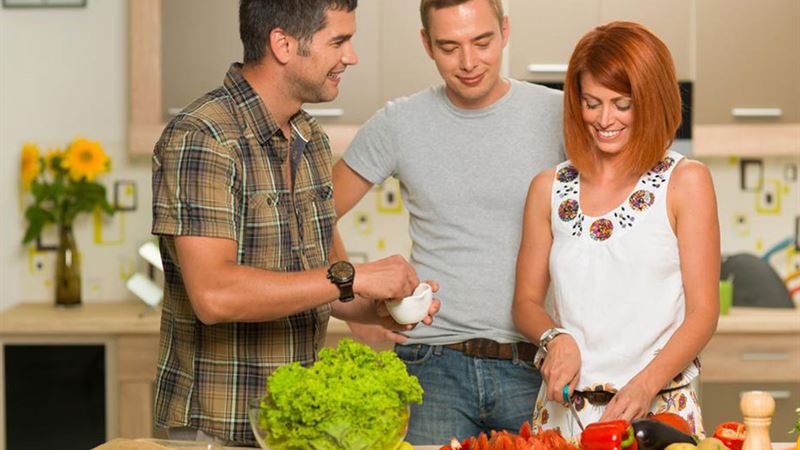
Seek Professional Dietary Guidance
When experiencing symptoms of diverticulitis, consulting an expert in gastrointestinal health is crucial. Your healthcare provider may recommend a specific diet to facilitate recovery and prevent recurrences. Initially, a liquid or low-residue diet is advised, including clear broths, water, ice chips, gelatin, and non-caffeinated beverages like tea or coffee without added cream. These foods help reduce colon irritation and promote healing. Gradually, you can transition back to your regular diet, but this should be done cautiously and under medical supervision.
As recovery progresses, your diet may include low-fiber foods such as lean meats, eggs, poultry, fish, bread, and dairy products. Over time, once inflammation subsides, increasing fiber intake becomes important to strengthen digestive health. Always follow your healthcare provider's instructions for dietary adjustments to avoid aggravating symptoms and support intestinal recovery.
Incorporate High-Fiber Foods
A primary strategy to prevent diverticulitis involves increasing fiber intake. Dietary fiber adds bulk to stool, facilitating smoother bowel movements and reducing pressure within the colon. This minimizes the formation of diverticula and prevents inflammation. Adequate fiber consumption is linked with lower risks of developing diverticulitis episodes. For adults, the general recommendation is at least 25 grams of fiber daily for women under 50, and 38 grams for men in the same age group. For those over 50, the goals are slightly lower, with women aiming for 21 grams and men for 30 grams daily.
Incorporate a variety of fiber-rich foods into your diet, such as whole grains—pasta, bread, cereals—legumes like kidney and black beans, a wide array of fresh fruits excluding seeds and skins, and cooked vegetables like squash, spinach, peas, potatoes, pumpkin, and other high-fiber options. Choosing high-quality, homemade or bakery bread over mass-produced varieties ensures better fiber content and nutritional value. Regular consumption of these foods supports colon health and prevents diverticulitis recurrence.
- Whole grain products including pasta, bread, and cereals
- Various beans like kidney beans, black beans, chickpeas
- Fresh fruits without seeds or skin
- Cooked or canned vegetables such as spinach, squash, peas, pumpkin, potatoes
- Yogurt, cheese, and milk
Manage and Prevent Constipation
Constipation significantly increases the risk of diverticular inflammation by exerting pressure on the colon walls. To combat this, a high-fiber diet should be complemented with adequate hydration. Drinking plenty of water, herbal teas, and fluids like clear broths keeps stool soft and facilitates regular bowel movements. In some cases, doctors may recommend high-fiber supplements such as psyllium husk or methylcellulose to ensure sufficient fiber intake. Regular physical activity also stimulates bowel movements and promotes overall gut health.
Maintaining consistent bowel habits and avoiding straining helps prevent the formation of diverticula and the progression to inflammation. Listen to your body's signals and avoid delaying bathroom visits to keep your digestive system functioning optimally.
Stay Vigilant for Symptoms and Complications
Improvement in symptoms typically occurs within 2 to 3 days of adhering to the prescribed diet and using antibiotics if recommended. However, if there is no improvement or if symptoms worsen, immediate medical consultation is necessary. Warning signs such as high fever, severe abdominal pain, persistent nausea, vomiting, or inability to retain fluids indicate possible complications like abscess formation or perforation, which require urgent hospitalization. Early detection and intervention are critical to prevent serious health risks.
Foods to Limit or Avoid
In the past, many believed that nuts, seeds, and popcorn should be avoided by individuals with diverticular disease to prevent blockages within diverticula. Recent scientific research, however, has shown that these foods are not only safe but also beneficial due to their high fiber content. Including nuts and seeds in your diet can help improve bowel regularity and overall colon health. The misconception about these foods causing inflammation has been debunked, and current guidelines support a balanced diet inclusive of these nutrient-rich items.
While the dietary approach to diverticulitis has minimal risks, it is essential not to follow restrictive diets for extended periods without medical supervision. Prolonged avoidance of variety in food groups can lead to deficiencies in essential nutrients and weaken overall health. As soon as symptoms improve, gradually return to a balanced diet rich in fiber, fluids, and nutrients. Continued healthy eating habits, including high-fiber foods and hydration, are key to long-term prevention of diverticulitis episodes. Regular medical check-ups and early intervention at the first sign of symptoms can significantly improve your quality of life.