
Essential Considerations When Choosing a Portable Sawmill for Your Woodworking Needs
Choosing the ideal portable sawmill requires careful consideration of factors like usage needs, log size, safety features, and budget. Evaluate your woodworking or commercial requirements thoroughly to select a machine that offers efficiency, safety, and value. This comprehensive guide explores essential aspects to help you make an informed purchase, whether you're a hobbyist or a professional sawmiller. From extending bed lengths to safety precautions, learn how to choose a machine that suits your projects and ensures smooth, secure operation, ultimately saving money and enhancing productivity.
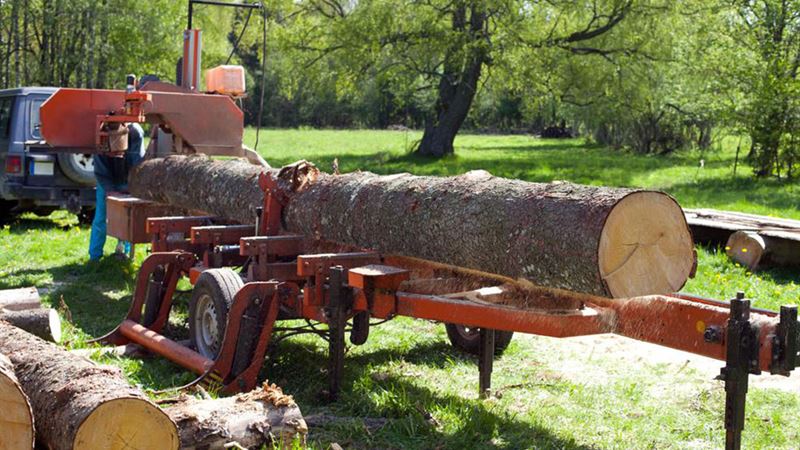
Purpose: Hobby or Commercial Use – Before purchasing a portable sawmill, it's crucial to determine whether your primary goal is recreational woodworking or turning your hobby into a source of income. If you plan to operate the sawmill commercially, investing in a high-capacity, fully hydraulic model is advisable. Such models enable faster, more efficient processing, which is vital for meeting production deadlines and maximizing profit. Conversely, if your use is sporadic or for personal projects, a smaller, manual or semi-automatic sawmill might suffice, offering ease of use and affordability.
Type of Wood and Log Dimensions – The choice of sawmill largely depends on the types of timber you'll be working with. Consider the log sizes, including length and diameter. For longer logs, select a machine with an extendable bed or adjustable length features to accommodate various log sizes comfortably. Some portable sawmills come with bed extensions, making it easier to handle large logs without hassle. Knowing the timber species and dimensions ensures you pick a sawmill capable of handling your specific requirements efficiently.
Frequency of Use – How often you intend to operate the sawmill influences your purchase decision. If your usage is limited, perhaps only a few times yearly, opt for simpler, lightweight models that are easy to set up and transport. These are cost-effective and require less maintenance. On the other hand, if you plan to mill wood regularly—say, daily or weekly—a more robust, automated, and durable model is a wise investment. Such sawmills tend to feature advanced safety mechanisms, quicker operation, and higher precision, making them suitable for continuous work.
New or Pre-Owned Equipment – Budget considerations often lead buyers to consider used portable sawmills. A pre-owned machine can save hundreds or even thousands of dollars, especially if the sawmill is in excellent condition. When opting for used equipment, thoroughly inspect the machine's condition, review its maintenance history, and test its functionality. This helps prevent unexpected breakdowns during operation. Conversely, purchasing a new sawmill guarantees the latest technology, safety standards, and warranty coverage, giving you peace of mind and reliable performance.
Safety Features and Regulations – No matter your experience level, safety should always be a priority when operating a portable sawmill. Research the latest safety technologies integrated into different models and seek advice from experienced users. Features such as emergency stops, blade guards, and safety switches are essential for preventing accidents. Additionally, ensure your workspace complies with safety regulations. Avoid models with documented safety issues or poor safety feature implementation, as these can pose serious risks during operation.
Additional Benefits and Cost Savings – A portable sawmill can significantly reduce costs related to home construction, farm structures, or custom woodworking projects. It allows you to process timber on-site, eliminating transportation expenses and enabling more precise control over your materials. If you possess the physical ability and interest in sawmilling, owning a portable mill could be a worthwhile long-term investment. It not only saves money but also provides flexibility and independence in your woodworking projects.
Conclusion – Selecting the right portable sawmill involves understanding your specific needs, such as usage frequency, log size, safety considerations, and budget. Take the time to research different models, read reviews, and consult experts. Whether you aim for a simple machine for occasional use or a high-end unit for commercial purposes, making an informed decision will ensure your investment pays off and enhances your woodworking experience.