
Understanding Osteoarthritis and Osteoporosis: Key Symptoms, Differences, and Advanced Treatment Options
This comprehensive guide explores osteoarthritis and osteoporosis, highlighting their symptoms, key differences, and the latest innovative treatments. Early diagnosis and tailored therapies can significantly improve quality of life for those affected. Learn about advanced management options, risk factors, and preventive strategies to maintain healthy joints and bones effectively.
What is Osteoarthritis? Understanding the Basics
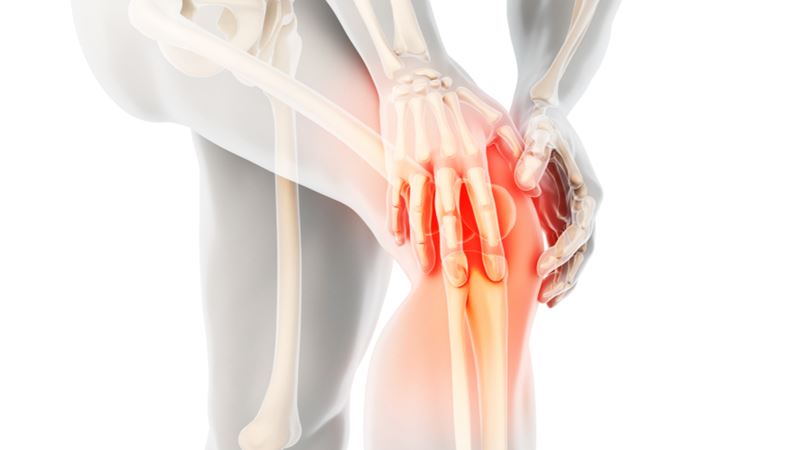
Osteoarthritis (OA) is a degenerative joint disease characterized by the gradual breakdown of cartilage—the tissue that cushions the ends of bones within the joints. Cartilage acts as a shock absorber, allowing smooth and pain-free movement. As this cartilage deteriorates over time, bones may begin to grind against each other, causing discomfort, swelling, and reduced mobility. Factors such as age, joint injuries, repetitive stress from certain occupations, obesity, and genetic predisposition contribute to the development of osteoarthritis.
Recognizing the Symptoms of Osteoarthritis
Detection of osteoarthritis relies heavily on understanding its signs and symptoms, which often develop gradually. Common symptoms include:
- Swollen, tender joints: The affected joints, especially in the hips, knees, hands, or spine, often appear swollen and may feel tender to touch.
- Pain during or after movement: Discomfort commonly worsens with activity and may improve with rest.
- Stiffness: Patients may experience stiffness, especially in the mornings or after periods of inactivity.
- Reduced range of motion: Joints may become less flexible, impacting daily activities like walking, bending, or grasping objects.
- Bone Spurs: Extra bony growths, known as osteophytes, can develop around the affected joints, leading to visible lumps and further discomfort.
Diagnostic Procedures and Medical Assessment
Diagnosing osteoarthritis involves a combination of physical examination, medical history review, and imaging studies. X-rays are commonly used to visualize joint space narrowing, bone spurs, and other degenerative changes. MRI scans may be utilized in complex cases to assess soft tissue damage. Blood tests are generally not useful for OA but might be conducted to rule out other forms of arthritis such as rheumatoid arthritis.
Conventional and Advanced Treatment Modalities for Osteoarthritis
Managing osteoarthritis focuses on reducing pain, improving joint function, and slowing disease progression. Treatment options include:
- Exercise and Physical Therapy: Tailored exercises to strengthen muscles around affected joints, improve flexibility, and reduce stiffness.
- Pain Management: Use of over-the-counter medications like acetaminophen and NSAIDs; in advanced cases, stronger prescription medications may be necessary.
- Weight Management: Reducing excess weight to decrease joint stress and improve symptoms.
- Assistive Devices: Use of braces, shoe inserts, or walkers to support mobility and prevent further joint damage.
- Injections: Corticosteroid or hyaluronic acid injections can offer temporary relief from pain and inflammation.
- Surgical Interventions: In severe cases, procedures like joint replacement or realignment surgeries are considered, with joint replacement being highly effective for hips and knees.
Understanding Osteoporosis and Its Impact
Osteoporosis is a systemic skeletal disorder marked by decreased bone mass and deterioration of bone tissue architecture. This results in bones becoming porous, fragile, and prone to fractures even with minor stresses. Unlike osteoarthritis, which affects joints and cartilage, osteoporosis directly impacts the bones themselves, often with no symptoms until fractures occur.
Symptoms and Risk Factors Associated with Osteoporosis
Since osteoporosis develops gradually, many individuals remain asymptomatic for years. The first sign may be a fracture following a minor fall or compression fracture of the spine. High-risk groups include postmenopausal women, elderly individuals, those with a family history of osteoporosis, and individuals with certain chronic illnesses or on long-term corticosteroid therapy.
- Back pain caused by fractured or collapsed vertebrae.
- Loss of height over time.
- Posture changes such as stooped or hunchback appearance.
- Fractures of the hip, wrist, or spine that occur with minimal trauma.
Risk factors for osteoporosis include hormonal changes (especially estrogen deficiency in women), nutritional deficiencies (calcium and vitamin D), sedentary lifestyle, smoking, excessive alcohol consumption, and certain medications or medical conditions affecting bone health. Genetic predisposition also plays a significant role.
Diagnosis and Monitoring of Osteoporosis
Bone mineral density (BMD) assessment using dual-energy X-ray absorptiometry (DEXA) scans is the gold standard for diagnosing osteoporosis. T-scores help categorize the severity and guide treatment decisions. Blood tests may evaluate calcium, vitamin D, and markers of bone turnover to assess underlying causes and monitor treatment efficacy.
Latest Approaches to Osteoporosis Management
Treatment strategies focus on preventing fractures and restoring bone strength. Key interventions include:
- Medications: Bisphosphonates (e.g., alendronate, risedronate), selective estrogen receptor modulators, parathyroid hormone analogs, and monoclonal antibodies like denosumab are commonly prescribed based on individual risk profiles.
- Nutrition: Adequate intake of calcium and vitamin D through diet and supplementation.
- Exercise: Weight-bearing and resistance exercises strengthen bones and reduce fracture risk.
- Lifestyle Modifications: Quitting smoking and limiting alcohol intake to promote bone health.
- Emerging Treatments: New therapies under research include anabolic agents and innovative delivery methods to enhance bone regeneration and reduce side effects.
Key Differences Between Osteoarthritis and Osteoporosis
Despite sharing similar terminology, osteoarthritis and osteoporosis are distinct conditions with unique characteristics. Understanding these differences is vital for accurate diagnosis and targeted treatment.
- Origin: OA primarily involves cartilage deterioration in joints, leading to pain and stiffness. Osteoporosis involves the loss of bone mass, resulting in fragile bones prone to fractures.
- Symptoms: OA manifests as joint pain, swelling, and stiffness. Osteoporosis is often silent until fractures occur, with symptoms related to trauma or postural changes.
- Risk Factors: Obesity, joint injuries, and repetitive joint use are common in OA. Hormonal deficiencies, aging, and nutritional deficits predominate in osteoporosis.
- Management: OA treatments focus on symptom relief, physical therapy, and surgical interventions. Osteoporosis management emphasizes pharmaceutical therapy, nutrition, and lifestyle changes to prevent fractures.
Conclusion and the Importance of Early Intervention
Both osteoarthritis and osteoporosis significantly impact the quality of life, especially among aging populations. Early diagnosis, lifestyle modifications, and appropriate medical interventions can greatly improve outcomes. Patients are encouraged to seek medical advice if they experience joint pain, stiffness, or fractures. Ongoing research continues to advance treatment options, providing hope for better management of these bone and joint disorders. Maintaining healthy bones and joints through regular exercise, balanced nutrition, and routine check-ups is a proactive approach to long-term health and mobility.