
Comprehensive Guide to Snap-In Dentures: Procedures, Advantages, Costs, and Expert Advice
Discover comprehensive insights into snap-in dentures, including detailed procedures, key benefits, cost factors, maintenance tips, and how to choose a qualified provider. This guide helps you understand the advantages of implant-supported removable dentures for improved stability, comfort, and oral health. Learn about the process from initial consultation through final placement, along with financial considerations and expert advice to make informed decisions for your dental restoration journey. Whether seeking better chewing ability or preserving facial structure, this article covers everything you need to know about snap-in dentures.
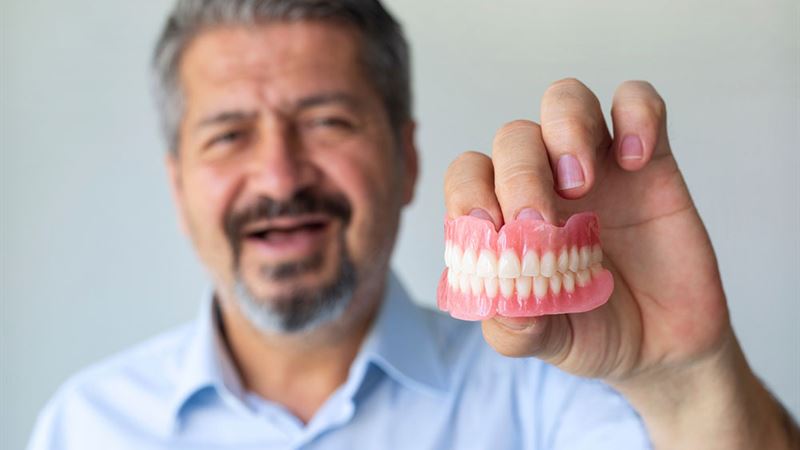
Understanding Snap-In Dentures: An In-depth Overview
Snap-in dentures represent a significant advancement in tooth replacement technology, combining the stability of dental implants with the convenience of removable prosthetics. These dentures are designed to offer a natural look, improved functionality, and enhanced comfort compared to traditional full or partial dentures. Whether you're exploring options for restoring your smile or seeking a solution that promotes jawbone health, understanding the nuances of snap-in dentures is essential. This comprehensive guide delves into the entire process—from implantation and healing to maintenance and cost considerations—equipping you with the vital information needed to make informed dental health decisions.
The Step-by-Step Procedure for Installing Snap-In Dentures
- Initial Consultation and Treatment Planning: The journey begins with a thorough examination by a qualified implant dentist. They will assess your oral health, bone density, and overall suitability for implants. Advanced imaging like X-rays or CT scans often aid in planning the precise placement of implants to optimize stability and functionality.
- Implant Placement Surgery: Under local anesthesia, the dentist surgically inserts small titanium posts— the dental implants—into the jawbone at predetermined sites. This process requires meticulous precision to ensure proper alignment and integration. After placement, a healing cap may cover the implant to protect it during the initial phase.
- Healing and Osseointegration: This critical period typically takes between 3 to 6 months, during which the implants fuse securely with the jawbone through a biological process known as osseointegration. Proper healing is vital for the strength and longevity of the final prosthesis. During this time, patients may wear temporary dentures or bridges to maintain aesthetics and functionality.
- Abutment Placement and Impression: Once the implants are firmly integrated, a minor surgical procedure exposes the implants, and abutments—connectors for the denture—are attached. The dentist then takes detailed impressions of the mouth to craft custom-fit dentures, ensuring a perfect aesthetic and functional match.
- Final Denture Attachment: In the final phase, the custom-made snap-in dentures are fitted onto the abutments. A locking mechanism secures the dentures, providing stability comparable to natural teeth. Minor adjustments may be made to ensure comfort and alignment.
Advantages of Snap-In Dentures Over Traditional Alternatives
- Superior Stability and Security: Unlike standard dentures that can slip or shift, snap-in dentures are anchored firmly via implants, reducing movement during speaking and eating.
- Enhanced Comfort and Reduced Irritation: The snug fit minimizes pressure points and friction against the gums, making them more comfortable for everyday wear.
- Better Chewing Efficiency: With secure anchorage, patients can enjoy a wider variety of foods, including tougher items like nuts, steaks, and raw vegetables—something often limited with traditional dentures.
- Jawbone Preservation and Facial Structure Maintenance: Implants stimulate the jawbone, preventing the bone resorption that typically occurs after tooth loss. This helps maintain facial volume and prevents a sunken appearance over time.
- Natural-Looking Appearance: Customizable to match surrounding teeth, snap-in dentures mimic the natural tooth aesthetics, creating a seamless, authentic smile.
- Removability for Hygiene: Being removable allows for straightforward cleaning, reducing the risk of infections and promoting oral health.
Cost Factors for Snap-In Dentures
- Number of Dental Implants: The total expense largely depends on how many implants are necessary. More implants mean higher costs, but they also offer better stability and distribution of forces.
- Materials and Quality: Higher-quality titanium implants and premium denture materials are costlier but tend to last longer and offer better aesthetics.
- Dentist’s Experience and Clinic Location: Skilled practitioners and clinics in metropolitan areas may charge higher fees, reflecting their expertise and overhead costs.
- Pre-Procedure Treatments: Additional procedures like bone grafts or extractions to prepare the jaw for implants can add to the overall cost.
- Insurance and Financing Options: Some dental insurance plans provide partial coverage, easing the financial burden. It's important to verify your plan beforehand.
Typical Cost Estimates and Financial Considerations
The average expenditure for snap-in dentures ranges between $5,000 and $8,500 per arch when supported by two to four implants. While this investment is more substantial than traditional dentures, many patients find the improved stability, comfort, and preservation of bone worth the cost. Additionally, some government programs, non-profit organizations, or age-related assistance plans may offer affordable options for seniors and low-income individuals.
Practical Tips for Choosing the Right Provider
- Seek Recommendations and Referrals: Ask your regular dentist, friends, or family members if they've had positive experiences with implant specialists.
- Research Online: Utilize review platforms and professional dental directories to identify reputable clinics and practitioners near you. Pay attention to patient reviews and treatment ratings.
- Verify Credentials and Experience: Ensure your chosen dentist is licensed, specializes in implant dentistry, and has a solid track record with snap-in denture procedures.
- Consult and Clarify Details: Schedule initial consultations to discuss your needs, understand the treatment plan, and request cost estimates. Confirm whether your dental insurance covers part of the procedure.
- Follow Professional Advice: Trust dentists who prioritize patient education, clarity, and personalized care to ensure a successful outcome.
Final Considerations and Making an Informed Decision
Choosing snap-in dentures is a strategic decision that significantly impacts your quality of life. Given their benefits in stability, comfort, and preservation of facial aesthetics, they are often the preferred choice for individuals with multiple missing teeth or those who struggled with traditional dentures. Collaborate closely with an experienced implantologist and consider all factors—including costs, treatment duration, and long-term maintenance—to determine if this option aligns with your health goals and financial situation. Implementation of proper oral hygiene routines and regular dental checkups will ensure the longevity and success of your implant-supported dentures.