
Comprehensive Guide to Dental Implants: Everything You Need to Know
Discover everything about dental implants, including types, preparation, choosing a quality clinic, and what to expect. Learn how modern technology and expert care ensure lasting, natural-looking results for your oral health and confidence. Make informed decisions today for a healthier smile.
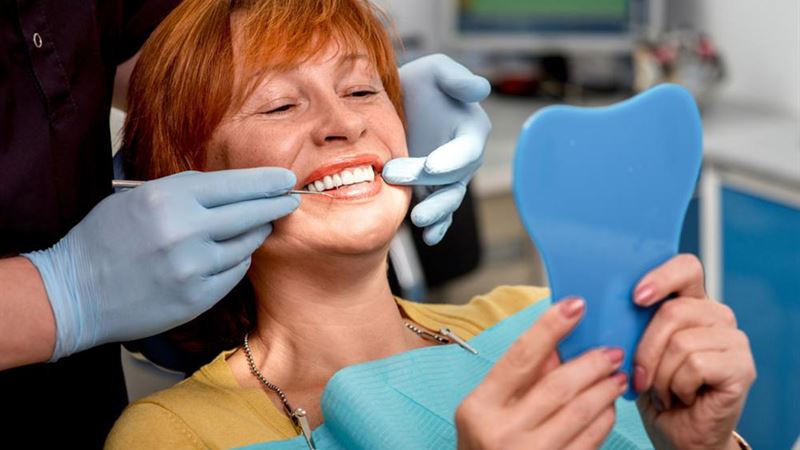
Dental implants have revolutionized restorative dentistry, offering a lasting solution for missing teeth. If you're contemplating this advanced treatment, understanding the intricacies of dental implants is crucial to making an informed decision. Whether you're exploring options for replacing a single tooth or multiple teeth, dental implant procedures are tailored to meet individual needs, ensuring both functionality and aesthetics are restored seamlessly. In this comprehensive guide, we'll delve into the types of dental implants, preparation procedures, key factors to consider when choosing a clinic, and what to expect during the treatment process for optimal results.
Types of Dental Implants: Endosteal and Subperiosteal
Dental implants basically fall into two primary categories based on their placement and construction: Endosteal implants and Subperiosteal implants. Your dental specialist will determine the most suitable type based on your oral health, bone density, and specific needs.
Endosteal Implants
These are the most prevalent type of dental implants. Endosteal implants are surgically embedded directly into the jawbone, serving as artificial roots for future prosthetic teeth. The process involves placing titanium posts into the jawbone, which bond with the bone tissue through osseointegration—a natural process where the bone grows around the implant, securing it firmly. After a healing period, typically spanning several months, an abutment and a crown or bridge are attached to restore the damaged tooth's function and appearance. Endosteal implants are ideal for patients with sufficient bone density and healthy gums, providing a durable and natural-looking solution.
Subperiosteal Implants
In cases where patients have insufficient bone height or density to support endosteal implants, subperiosteal implants offer an effective alternative. Instead of being embedded into the jawbone, these implants consist of a metal framework that sits atop the jawbone underneath the gums. Once the gums heal, the framework protrudes through the soft tissue, providing anchor points for attaching artificial teeth. The entire procedure involves placing the metal frame beneath the gum tissue and over the jawbone. This type of implant is particularly suitable for patients who are either unable or unwilling to undergo extensive bone augmentation surgeries. It is essential to consult a qualified dental professional to determine the best approach tailored to your needs.
After the implant installation, a period of healing allows the gums to recover and the implant to integrate securely with the bone structure. Proper oral hygiene and regular dental checkups are vital to maintaining the longevity of these implants.
What to Consider Before Choosing a Dental Implant Clinic
Selecting the right dental clinic for implant procedures is critical for achieving successful results. Today's dental care has advanced significantly, with state-of-the-art technology and minimally invasive techniques making procedures less uncomfortable and more efficient. Nonetheless, choosing the appropriate clinic involves evaluating several factors to ensure you receive quality, safe, and affordable treatment. Below are essential considerations to keep in mind:
- Cost and Affordability - Dental implant treatments can vary vastly in price depending on the clinic, location, and complexity of the case. It is advisable to research and compare prices before committing. Look for clinics that offer transparent pricing and flexible payment options to fit within your budget. Avoid extremely cheap options that may compromise on quality, but also be wary of overpriced procedures that may not offer corresponding benefits. An affordable yet reputable clinic is your best bet for long-term success.
- Reputation and Credibility - The experience and reputation of your dentist are paramount. A highly qualified, experienced implantologist with a proven track record ensures better outcomes. Verify credentials, ask for certifications, and review patient testimonials or success stories. Visiting the clinic beforehand to assess the facilities and equipment can help you gauge professionalism and safety standards.
- Comfort and Pain Management - Dental treatments can sometimes invoke anxiety or discomfort. Discuss pain management options with your dentist beforehand. Many clinics now use sedation dentistry or local anesthesia to make the procedure as painless as possible. During consultation, communicate your concerns and preferences to ensure a comfortable experience from start to finish.
- Success Rate and Patient Outcomes - Inquire about the success rates of the clinic’s previous implant procedures. Ask for case studies, before-and-after photos, or references from former patients. A clinic with high success rates will give you confidence in their ability to deliver optimal results. Additionally, check whether the clinic offers post-treatment follow-up and support, vital for ensuring the health and stability of your implants over time.
- Technological Equipment and Facilities - Advanced technology can significantly influence the outcome of your implant procedure. Modern digital imaging, 3D scans, computer-guided implant placement, and minimally invasive techniques improve precision, reduce surgery time, and enhance recovery. Ensure the clinic invests in the latest equipment for better diagnosis, planning, and treatment execution.
In conclusion, the decision to proceed with dental implants should be made after careful consideration of all factors. Conduct thorough research and consultations to find a reputable, experienced, and affordable clinic, ensuring a smooth path toward a confident, healthy smile. Remember, investing in quality dental care not only improves your oral health but also boosts your overall quality of life. Take the time to understand your options, ask questions, and make informed choices for a brighter, more confident future.