
Benefits of Cremation over Conventional Burial Practices
Cremation has emerged as a modern, eco-friendly alternative to traditional burial practices, offering numerous benefits including cost savings, environmental sustainability, and technological advancements. This comprehensive look explores its historical roots, modern innovations, and why it's gaining popularity worldwide, making it a forward-thinking choice for respectful, responsible end-of-life arrangements.
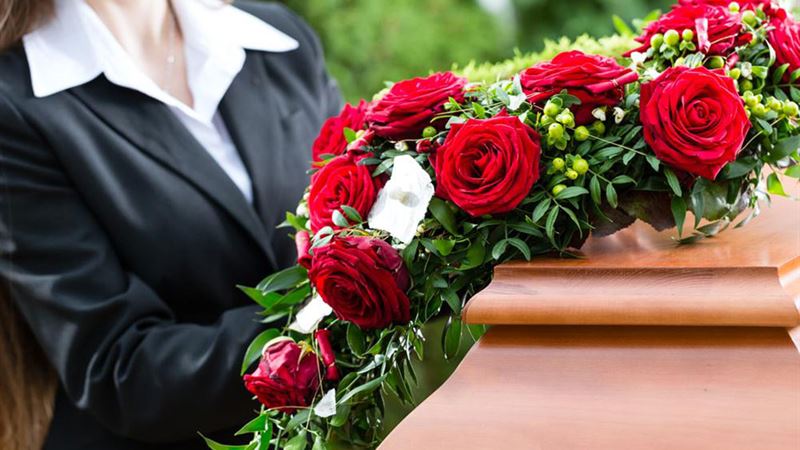
During the late 19th century, the concept of cremation gained traction in Europe and North America as a modern, hygienic method for handling the deceased. Initially met with resistance, mainly due to religious and cultural objections, particularly from the Roman Catholic Church, which preferred traditional burials, cremation experienced a renaissance with advances in scientific understanding and technology. This shift led to more acceptance and widespread adoption across many countries. Today, roughly 25% of the population in the United States, for example, opts for cremation, citing practical, environmental, and financial benefits. Cremation involves reducing the body to ashes through high-temperature incineration, after which the remains are typically returned to the family or loved ones for memorialization.
In contrast, traditional burial practices have persisted for centuries, rooted in religious and cultural traditions. For example, ancient Egyptians embalmed their dead to preserve the body for afterlife, often storing the remains in elaborate tombs. Indigenous tribes, including those in Israel, historically placed their deceased in open-air spaces, allowing natural decomposition processes to take place before bones were carefully buried. Many communities view burial as a respectful and humane way to handle death, symbolizing respect for the body and providing a physical place for mourning and remembrance.
Advances in modern technology have revolutionized the cremation process, making it more efficient and environmentally friendly. Modern cremation chambers, also known as crematories or retorts, are fully enclosed, controlled environments that ensure the process is clean, safe, and predictable. These systems operate at high temperatures, usually between 1400 and 1800 degrees Fahrenheit, effectively reducing the body to bone fragments and ash within a few hours. The ashes are then processed and handed over to the bereaved, often in an urn, allowing families to keep, scatter, or otherwise memorialize their loved ones. This technological evolution has also addressed many environmental concerns associated with earlier methods, such as open pyres and unregulated burning, which contributed to pollution and health hazards.
Despite the advantages of cremation, some individuals and cultures prefer burial due to deeply rooted beliefs. Many feel that burial offers a more tangible connection to the deceased, creating a sacred space for ongoing remembrance. There are also spiritual considerations; some view the act of burial as preferable because it aligns with their religious doctrines, which often emphasize the sanctity of the body in its resting place. Additionally, some believe that burial is more humane, as it involves laying the body to rest instead of incineration. However, modern developments, such as electric cremation chambers, have made the process more humane, efficient, and environmentally safe, broadening its acceptance.
Nevertheless, traditional burial practices are not without challenges. They often require substantial land area, which is becoming increasingly scarce in densely populated regions. The environmental footprint of burial can be significant, especially considering embalming fluids, caskets, and land usage. Toxic chemicals used in embalming, such as formaldehyde, can leach into the soil, posing environmental risks. Additionally, the costs associated with burial—caskets, headstones, maintenance of gravesites, and land acquisition—are rising sharply, making it prohibitively expensive for many families. These factors have prompted a reassessment of alternative options like cremation, which is not only more cost-effective but also more aligned with sustainable practices.
In recent decades, technological advancements and changing societal values have made cremation more accessible and popular. The process has become more environmentally sustainable, with modern crematories adhering to strict emissions standards and reducing pollutants. Furthermore, the flexibility of handling remains—be it scattering ashes in a meaningful place, keeping them in a treasured urn, or converting them into keepsakes or jewelry—has broadened the scope of memorial options. Many service providers now offer comprehensive packages, including eco-friendly urns, memorial services, and digital remembrance platforms, catering to the diverse preferences of modern families.
The shift toward cremation reflects broader societal trends prioritizing simplicity, environmental responsibility, and cost savings. As communities become more ecologically conscious, cremation is increasingly viewed as a responsible choice that minimizes land use and reduces the environmental impact associated with conventional burial methods. Furthermore, the affordability of cremation makes it a practical choice for individuals across various socioeconomic backgrounds, ensuring that honoring loved ones remains accessible and respectful. The integration of high-tech, eco-friendly solutions continues to enhance the appeal of cremation, establishing it as a forward-looking option that resonates with the values of the modern world.
Ultimately, whether opting for cremation or burial depends on personal, cultural, religious, and environmental considerations. However, as scientific innovations and societal attitudes evolve, cremation is poised to become an even more prominent and accepted method of final farewell. The ongoing development of green cremation alternatives, such as water cremation or alkaline hydrolysis, signals a commitment to making end-of-life practices more sustainable and respectful of our planet. For families exploring options for handling the deceased, understanding these benefits can help make informed decisions that honor both personal beliefs and environmental responsibility.