
Essential Insights into Managing Swollen Feet and Ankle Discomfort
This detailed article provides an in-depth overview of swollen feet and ankles, exploring common causes such as obesity, pregnancy, and circulatory issues. It emphasizes timely medical consultation for severe symptoms and offers practical self-care tips, including elevation, diet modifications, and supportive clothing. Special guidance for pregnant women is also included, highlighting safe remedies and when to seek urgent care. Understanding these aspects helps individuals manage swelling effectively, improving comfort and health outcomes in daily life and pregnancy stages.
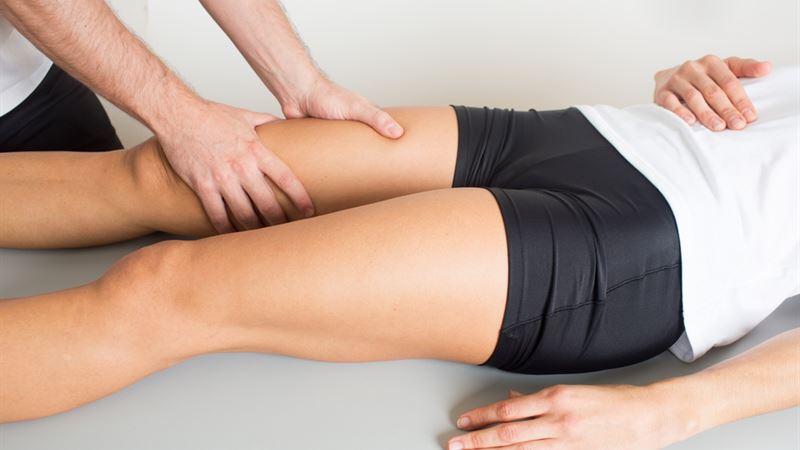
Swelling in the feet and ankles, medically known as edema, is a common health concern that affects many individuals at different stages of life. Understanding the causes, symptoms, preventive measures, and treatment options can significantly improve quality of life and aid in timely medical intervention. This comprehensive guide elaborates on the various factors contributing to swollen feet, how to identify when professional medical help is necessary, and practical steps for alleviating discomfort through lifestyle changes and medical treatments.
What Are the Common Causes of Foot and Ankle Swelling?
- Obesity is a leading factor. Excess weight increases pressure on the lower limbs, impairing blood flow and causing fluid accumulation in the feet and ankles.
- Prolonged periods of inactivity, such as standing or sitting for extended durations, can hinder circulation and lead to swelling in the lower extremities.
- Pregnancy naturally causes fluid retention and increased pressure on veins, often resulting in swollen feet and ankles, especially in the later stages.
- Blood clots in the veins, or deep vein thrombosis (DVT), can obstruct blood flow, leading to significant swelling, often accompanied by warmth and redness.
- Kidney issues compromise the body's ability to eliminate excess fluids, resulting in edema primarily affecting the feet, ankles, and legs.
- Hormonal fluctuations, notably declines in progesterone and estrogen, affect vessel dilation and blood circulation, contributing to swelling.
- Use of certain medications, such as oral contraceptives or antidepressants, can promote fluid retention, causing swelling in the lower limbs.
- Liver failure impairs protein synthesis, which can result in edema due to osmotic imbalance in the capillaries.
- Infections or injuries to the lower limbs may lead to localized swelling, redness, and pain, requiring immediate medical attention.
When to Seek Medical Attention?
- If swelling is accompanied by chest pain, difficulty breathing, dizziness, or fainting, seek emergency medical care immediately.
- Sudden onset of severe swelling, especially if it is asymmetrical or associated with warmth and redness, warrants prompt evaluation for clot formation or infection.
- In pregnant women, significant swelling coupled with symptoms like headache, vision changes, or nausea could indicate preeclampsia, which needs urgent medical assessment.
- Presence of fever alongside swelling may suggest infection requiring antibiotic treatment.
Effective Self-Care Strategies for Swollen Feet and Legs
- Elevate your legs above heart level whenever possible to facilitate venous return and fluid drainage. Use pillows or cushions for support during rest or sleep.
- Avoid extended periods of inactivity; try to walk or stretch every two hours to promote circulation.
- Reduce salt intake to minimize fluid retention. Emphasize a balanced diet rich in fruits, vegetables, and lean proteins.
- Wear loose-fitting, comfortable clothing, especially around the waist and lower limbs, to avoid constriction.
- Maintain a healthy weight through regular exercise and balanced nutrition, which helps reduce stress on the circulatory system.
Special Considerations for Pregnant Women: Managing Swelling Effectively
Swelling of the feet and ankles during pregnancy is quite common, predominantly caused by hormonal shifts, increased blood volume, and pressure exerted by the growing uterus on pelvic veins. While generally benign, persistent or severe swelling needs careful monitoring. Here are some home remedies and tips for managing edema during pregnancy:
- Consistently elevate your feet when resting or sleeping to promote fluid drainage and reduce swelling.
- Select supportive footwear, such as maternity compression socks, to enhance circulation and provide comfort.
- Avoid standing or sitting for lengthy periods; take frequent breaks to move around and stretch.
- Stay well-hydrated, which helps balance body fluids and prevents excessive retention.
- Adopt gentle exercise routines, such as prenatal yoga or walking, to encourage blood flow.
In cases where swelling is accompanied by headaches, visual disturbances, or sudden weight gain, consult your healthcare provider immediately to rule out preeclampsia. Medical intervention may be necessary for severe cases. Regular prenatal check-ups are essential to monitor and manage swelling effectively throughout pregnancy.