
Comprehensive Guide to the Common Causes of Swollen Ankles and Feet
This comprehensive article explores the top causes of swollen ankles and feet, including pregnancy, alcohol intake, hot weather, and injuries. It offers detailed insights into symptoms, treatment options, and preventive measures. Learn how to identify issues early and manage swelling effectively to promote better health and comfort. Ideal for individuals experiencing persistent edema or looking to understand underlying causes, this guide empowers readers with essential knowledge to maintain lower limb health.
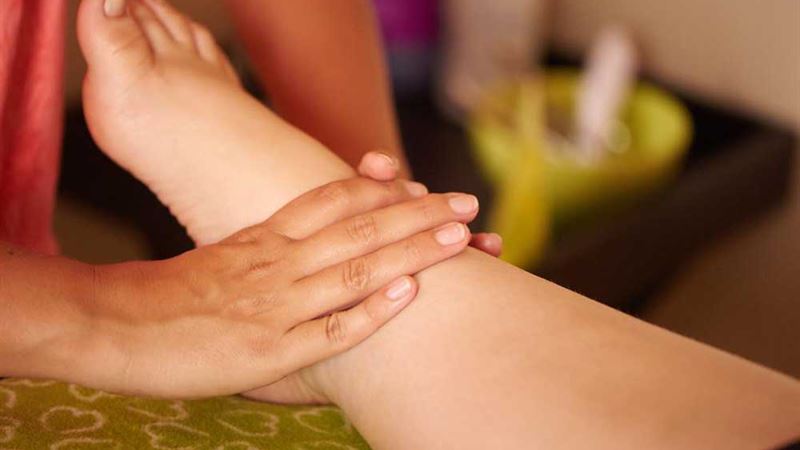
Pregnancy
Gestation causes numerous physiological changes, often leading to swollen ankles and feet in pregnant women. During pregnancy, the body naturally increases water retention to support fetal development, leading to fluid accumulation in lower extremities. Most women experience swelling after the fifth month, particularly if they are on their feet for extended periods. Elevated blood volume and hormonal changes, particularly increased levels of progesterone, relax blood vessel walls, making fluid leakage into tissues more likely. Managing swelling during pregnancy involves elevating the legs, wearing compression stockings, and maintaining proper hydration. Persistent or severe swelling should be evaluated by a healthcare provider to rule out preeclampsia or other complications.
Excessive Alcohol Consumption
One of the prominent factors contributing to swollen ankles and feet is the intake of alcohol in large quantities. Alcohol acts as a diuretic initially, prompting increased urination, but in excess, it causes the body to retain water, leading to edema. This fluid retention manifests as swelling in the lower extremities, especially after binge drinking. Typically, this swelling resolves within a few days once alcohol consumption is reduced or stopped. However, persistent swelling warrants medical attention to exclude underlying cardiovascular or kidney issues that could be exacerbating fluid buildup. Limiting alcohol intake is essential for maintaining overall circulatory health and preventing edema.
High Temperatures and Hot Weather
Hot climates significantly influence circulatory dynamics, often resulting in swollen ankles and feet among residents and travelers alike. As temperatures rise, blood vessels dilate to dissipate heat, increasing blood flow to the skin. This vasodilation causes fluids to escape into surrounding tissues, leading to swelling. Those with pre-existing circulatory or heart conditions are more susceptible. Staying active with moderate exercise, wearing compression stockings, and staying well-hydrated can mitigate some effects of heat-induced swelling. Avoiding prolonged exposure to intense heat and elevating the legs periodically can also help in reducing edema during hot weather.
Injury and Trauma
Physical injuries to the foot and ankle are among the most common causes of swelling. Sprains, strains, fractures, and ligament tears lead to increased blood flow to the injured area, resulting in swelling. This response is part of the body’s natural healing process, but it can be uncomfortable and limit mobility. Applying RICE therapy—Rest, Ice, Compression, and Elevation—can effectively control swelling and promote recovery. Immediate care and avoidance of weight-bearing activities are crucial after injury. If swelling persists beyond a few days, or if accompanied by severe pain or deformity, professional medical assessment is necessary to rule out fractures or more serious damage.