
Comprehensive Guide to Managing Swollen Feet and Ankles: Causes, Treatments, and Prevention
Explore a comprehensive guide on the causes, treatment options, and prevention methods for swollen feet and ankles. Learn effective strategies including lifestyle changes, home remedies, and when to seek medical help to manage edema and maintain healthy legs.
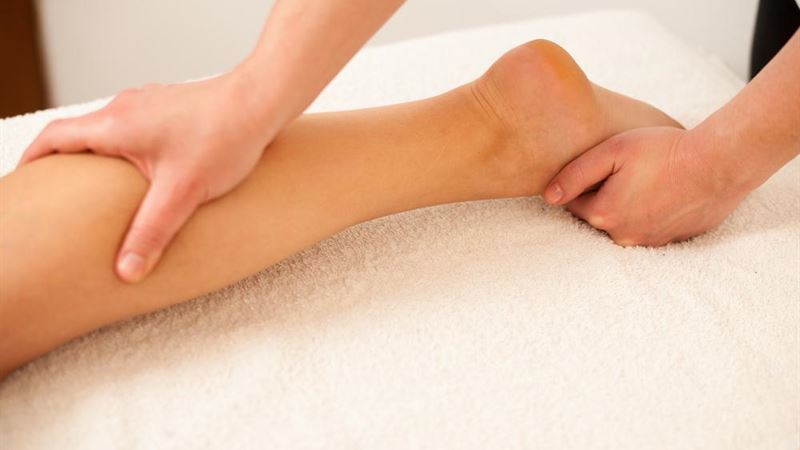
Swelling in the feet and ankles, known medically as edema, can be a common yet bothersome condition affecting individuals across all age groups. While often caused by minor issues, persistent swelling may signal underlying health problems that require prompt medical attention. In this extensive guide, we will explore the diverse causes behind swollen feet and ankles, discuss various treatment options, and suggest effective prevention strategies to help you maintain healthy legs and prevent discomfort.
Understanding the Causes of Swollen Feet and Ankles
- Protein in the urine and elevated blood pressure: These are common indicators of underlying health concerns such as kidney problems or cardiovascular issues. When kidneys malfunction, protein leaks into the urine, and high blood pressure can impair blood flow, leading to fluid buildup in extremities.
- Injury or trauma: Sprains, fractures, or soft tissue injuries to the ankle or leg can cause localized swelling. Rest, ice, compression, and elevation (RICE) are typically recommended in such cases.
- Dietary factors: Consuming foods high in salt and carbohydrates can promote fluid retention. Too much salt causes the body to hold onto water, leading to swelling.
- Sodium retention: Certain medical conditions or medications can cause the body to retain sodium, resulting in puffiness and swelling in the lower extremities.
- Allergic reactions: Allergies to medications, foods, or environmental triggers can cause swelling, especially if accompanied by other allergy symptoms like rash or difficulty breathing.
- Hormonal influences: Birth control pills and hormone therapy can sometimes lead to fluid retention and swelling in women.
- Heart, liver, or kidney health issues: Chronic conditions affecting these organs can lead to significant fluid buildup, requiring urgent medical assessment.
- Other factors: Prolonged standing or sitting, obesity, and certain medications (like antidepressants or corticosteroids) can contribute to swelling.
Is Swollen Feet a Cause for Alarm?
- In many cases, swollen feet result from temporary causes such as standing for long periods or minor injuries and may resolve on their own.
- However, persistent or recurrent swelling warrants medical evaluation, as it could be a sign of serious health issues involving the heart, kidneys, liver, or blood vessels. Timely diagnosis and treatment are crucial to prevent complications.
Key Treatment Strategies for Swollen Feet and Ankles
- Seek prompt medical care: If swelling persists, intensifies, or is accompanied by symptoms like chest pain, shortness of breath, or dizziness, consult a healthcare professional immediately.
- Use compression therapy: Compression stockings or wraps are effective in reducing swelling by promoting blood flow and preventing fluid accumulation. They’re widely available at pharmacies.
- Engage in regular physical activity: Gentle exercises, such as walking, swimming, or leg lifts, enhance circulation and help prevent fluid buildup. Avoid prolonged periods of inactivity.
- Weight management: Maintaining a healthy weight reduces the strain on your legs and can decrease the severity of edema caused by excess body weight.
- Soak in Epsom salt baths: Regularly immersing legs and ankles in warm water with Epsom salts (magnesium sulfate) for 15-20 minutes can soothe swelling, relax muscles, and promote circulation.
- Magnesium supplements: Supplementing with magnesium (within recommended doses) helps regulate fluid balance and may alleviate swelling.
- Elevate the legs: Raising your legs above heart level for 15-30 minutes several times a day encourages fluid drainage and reduces swelling. Various yoga poses can assist with leg elevation at home.
Additional Tips for Managing and Preventing Swelling
- Reduce salt intake to minimize fluid retention.
- Drink adequate water to support kidney function and help flush excess salt and fluids.
- Limit the use of laxatives, which can disturb electrolyte balance and worsen swelling.
- Avoid putting excessive pressure on your feet and ankles; wear comfortable, supportive shoes.
Medication Considerations for Swollen Feet and Ankles
- For mild or occasional swelling, home remedies and lifestyle modifications are often sufficient.
- In cases involving underlying health conditions, your healthcare provider may recommend medications such as diuretics to help eliminate excess fluid, or treatments specific to the diagnosed illness, after thorough assessment and tests.
In summary, swollen feet and ankles can stem from various benign causes but may also indicate more serious health concerns. Recognizing symptoms early, adopting lifestyle changes, and seeking medical advice when necessary can effectively manage and prevent edema, improving overall well-being and comfort.