
Comprehensive Approaches to Waste Management in the United States
This article explores the US's comprehensive waste management system, highlighting regulations, classification of waste, advanced technologies, community involvement, and future sustainability initiatives. It details how federal, state, and local efforts are integrated to promote responsible waste handling, recycling, and innovative solutions to achieve environmental health and sustainability.
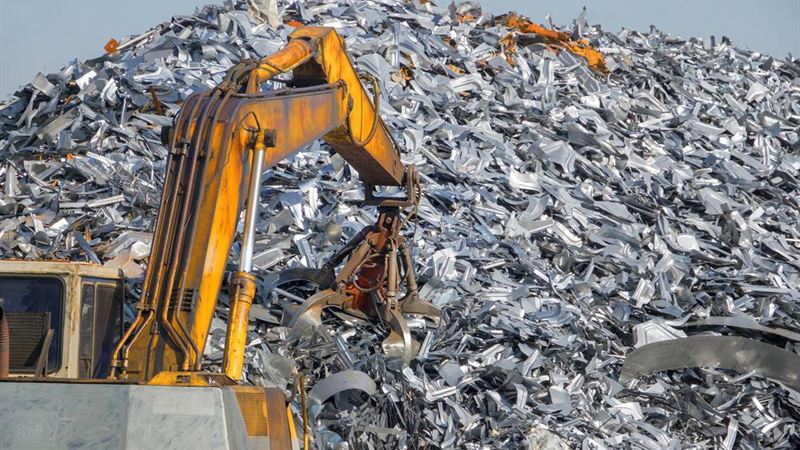
Efficient waste management encompasses both hazardous and non-hazardous waste streams. Understanding the classification of waste is fundamental to developing proper disposal and treatment strategies. Non-hazardous waste includes household refuse such as everyday trash, garden debris, and organic waste from residential terraces. Agricultural and industrial non-poisonous waste like treated water, manufacturing by-products, and farmyard refuse are also classified under this category.
Conversely, hazardous waste constitutes substances that pose significant health or environmental risks, including chemical, medical, and nuclear wastes. Household hazardous materials such as used batteries, paints, oils, and fluorescent bulbs require specialized disposal processes to prevent contamination.
To promote best practices, the United States has established numerous waste collection centers recognized for their excellence. These centers are incentivized through awards and acknowledgment programs to motivate continuous improvement and innovative practices in waste handling. Academic institutions increasingly incorporate waste management concepts into their curricula, with research and development in new techniques and sustainable practices.
Modern waste management techniques leverage advanced technologies such as waste-to-energy conversion, recycling innovations, and landfill management improvements. Education campaigns targeted at consumers and producers are pivotal, fostering a culture of responsible waste generation and disposal. Community engagement programs are designed to raise awareness about recycling, composting, and reducing waste generation at the source.
Government initiatives also focus on training personnel involved in waste collection, treatment, and disposal. Collaborations among different communities or interest groups facilitate knowledge sharing and the pooling of innovative ideas for better waste management. The emphasis on sustainable practices ensures that future generations inherit a cleaner environment.
Overall, the US's comprehensive waste management approach, combining regulation, technological innovation, education, and community participation, aims to create a resilient system capable of adapting to increasing waste production while minimizing environmental impact. Continuous efforts and policy updates are essential to maintain this trajectory toward a sustainable and healthier future for all citizens.