
Comprehensive Guide to Mobility Scooters: Types, Features, and Usage Tips
Discover the comprehensive guide to mobility scooters, including various types such as small foldable, medium, and large models. Learn about their features, usage tips, and legal considerations to choose the perfect mobility aid tailored to your needs. Whether for indoor use or outdoor adventures, this detailed overview helps users understand the options available, ensuring comfortable and safe mobility across different environments.
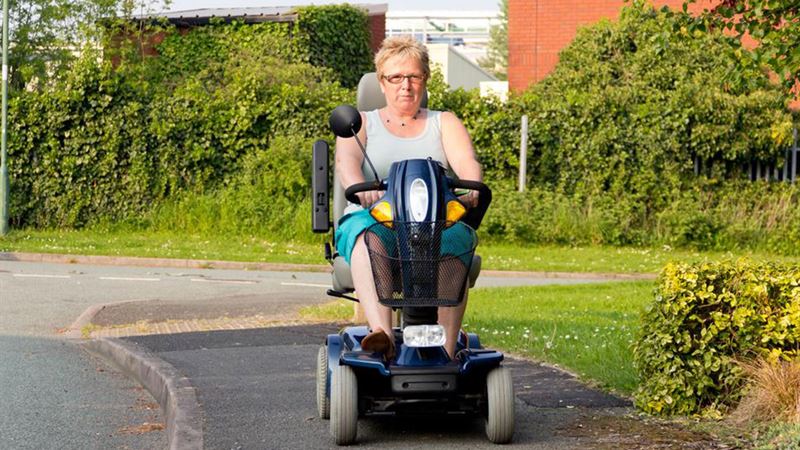
Mobility scooters have become increasingly vital for individuals with mobility challenges seeking independence and ease of movement. While small folding scooters are ideal for indoor use and short distances, they are generally not designed for road use. These compact options are perfect for navigating around the house, shopping malls, or other enclosed spaces. They are specially suited for users with smaller frames or those who require a lightweight and portable mobility aid for quick trips within confined areas.
Beyond the compact category, medium-sized mobility scooters offer enhanced capabilities. These models are designed with increased weight capacities and a broader range of features, making them suitable for a variety of everyday tasks. Medium scooters often feature wider steering mechanisms that facilitate easier maneuvering around tight corners and crowded environments. It's important to note that while they are larger than folding models, not all medium scooters are foldable, and users should verify this before purchasing. These models strike a balance between portability and power, appealing to users who need more stability and comfort.
Large mobility scooters are built for extended use, offering significant improvements in battery life, speed, and load capacity. These robust units provide ample space for storage, making them ideal for longer outings or daily use for individuals with higher mobility demands. Large scooters often come equipped with features such as powerful headlights, indicators, horn systems, and sturdy frames designed to support heavier weights. They are suitable for outdoor use and, depending on local transportation laws, may qualify as road-legal vehicles. Users should check local regulations regarding the operation of large mobility scooters on public roads.
Additional specifications and classifications of mobility scooters include:
- **Two-wheeled scooters (mopeds):** Designed primarily for users with limited mobility, these scooters resemble bicycles with motor assistance. Some newer models feature five wheels for added stability, catering to users who need extra reassurance.
- **Foldable compact scooters:** These models emphasize portability, folding down easily for storage in a car trunk or small storage spaces. They often sacrifice some features for convenience but remain suitable for short trips and traveling.
- **Pavement scooters:** Outfitted with features similar to road-legal models, these scooters can be dismantled or folded for streamlined transportation. They are versatile options for users who need mobility assistance both indoors and outdoors.
Choosing the right mobility scooter requires careful consideration. Prospective buyers should test drive multiple models to assess comfort, ease of handling, and suitability for their specific needs. While larger scooters provide extensive features and power, they may not offer the foldability needed for travel convenience. Conversely, foldable models excel in portability but may have limited features or performance. Understanding your daily requirements and local transportation laws can help you make an informed decision, ensuring safe and comfortable mobility assistance.