
Effective Strategies for Reducing Leg and Ankle Swelling Naturally
Discover comprehensive natural remedies to reduce leg and ankle swelling effectively. From magnesium supplements and grapefruit essential oils to compression therapy and elevation techniques, learn how to alleviate discomfort and improve circulation. Maintain an active, healthy lifestyle while recognizing when to seek medical advice for persistent swelling. This detailed guide offers practical tips for achieving relief and supporting your body's natural functions, enhancing your quality of life and ensuring better health management of edema symptoms.
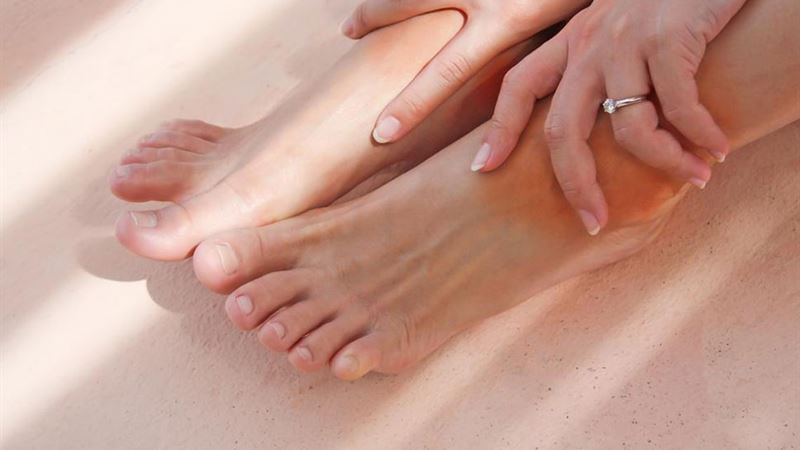
Leg and ankle swelling, medically known as edema, is a common condition that affects many individuals at different stages of life. It occurs when excess fluid accumulates in the tissues of the lower limbs, leading to discomfort, pain, and sometimes mobility issues. This condition results from the body's inability to efficiently circulate blood and lymph fluid back to the heart, often due to various underlying causes. Understanding these root causes and exploring effective remedies can significantly improve quality of life and alleviate the symptoms associated with edema.
While edema may seem like a minor inconvenience at first, persistent swelling can be indicative of more serious health issues such as cardiovascular problems, kidney diseases, or liver disorders. Therefore, it is crucial to identify the underlying causes and adopt appropriate treatment strategies. Fortunately, numerous natural remedies and lifestyle modifications can help reduce swelling without the need for invasive procedures or medications.
In this comprehensive guide, we will explore a wide array of natural remedies, lifestyle tips, and preventive measures to combat leg and ankle swelling effectively. From dietary adjustments to physical techniques, each method is designed to target fluid retention and promote better circulation.
Magnesium Supplementation
One of the key minerals involved in maintaining fluid balance within the body is magnesium. A deficiency in magnesium can lead to increased water retention and swelling in the lower extremities. Ensuring adequate magnesium intake through diet or supplements can help prevent and reduce edema.
For most adults, a daily intake of about 200 mg of magnesium suffices, which can be split into two doses for better absorption. Foods rich in magnesium include nuts, seeds, leafy green vegetables, whole grains, and legumes. If dietary sources are insufficient, magnesium supplements can be considered, but it is essential to consult with a healthcare professional before starting supplementation, especially if you have existing health conditions.
Grapefruit Essential Oil
Grapefruit essential oil offers remarkable benefits for reducing swelling due to its natural anti-inflammatory and diuretic properties. Extracted from the peel of the grapefruit, this oil can be used topically or added to bath water for soothing relief.
To soothe swollen legs, add a few drops of grapefruit essential oil to warm bath water and soak your feet and legs for 15-30 minutes. Alternatively, combine a few drops with a carrier oil like olive or almond oil and perform gentle massage on the affected areas. This practice not only alleviates swelling but also helps relax tense muscles and improve blood flow.
Compression Therapy with Socks
Compression socks are specifically designed to apply controlled pressure to the legs, helping prevent fluid buildup and improve circulation. These socks are widely available at pharmacies and medical supply stores in various compression levels.
Choosing the right compression level is vital; a healthcare provider can help determine the appropriate compression strength. Typically, mild compression socks that are not too tight are effective and comfortable for daily use. Regularly wearing these socks, especially during long periods of standing or sitting, can significantly reduce swelling and discomfort.
Epsom Salt Baths
Epsom salt, composed of magnesium sulfate, has been used for centuries for its therapeutic benefits. Soaking your swollen feet in warm water infused with Epsom salt can help draw out excess fluids and ease inflammation.
Prepare a basin of warm water and add ½ to 1 cup of Epsom salt. Immerse your feet for 15-20 minutes, ensuring the water temperature is comfortable. Avoid hot water if you have neuropathy or circulation issues, as extreme temperatures can cause discomfort. Regular Epsom salt baths can promote relaxation, reduce swelling, and replenish magnesium levels in the body.
Hydration and Fluid Management
While it may seem counterintuitive, drinking plenty of water is essential for managing edema. Proper hydration helps dilute the salts and fluids in the body, preventing excess retention. Incorporate lemons and cucumbers into your daily water intake for added anti-inflammatory benefits.
Lemons contain vitamin C and antioxidants that promote vascular health, while cucumbers are rich in water and contain anti-inflammatory compounds. Drinking infused water regularly throughout the day can support detoxification and reduce swelling naturally.
Leg Elevation Techniques
An effective positional remedy for edema involves elevating the legs above heart level. This technique encourages the drainage of excess fluids from the lower limbs back toward the torso, relieving pressure and swelling.
Lie down comfortably and prop your legs on cushions or pillows to elevate them at a level higher than your heart. Maintain this position for 15-20 minutes, repeat several times a day. Consistent elevation can help reduce fluid accumulation, lessen discomfort, and improve overall circulation.
In addition to these remedies, adopting a healthy lifestyle marked by regular physical activity, maintaining a balanced diet low in processed foods, and avoiding prolonged periods of inactivity can further prevent and manage leg and ankle swelling.
It is important to remember that persistent or worsening swelling warrants medical consultation. While natural remedies are effective for many, underlying health issues such as heart, kidney, or liver conditions must be properly diagnosed and treated by healthcare professionals to prevent complications.
In summary, a holistic approach combining natural remedies, lifestyle modifications, and medical advice provides the best strategy for managing leg and ankle edema, promoting comfort, mobility, and overall well-being.