
Effective Natural Remedies for Managing Swollen Ankles and Legs
Discover comprehensive natural approaches to alleviate swollen ankles and legs. From active movement, compression wear, and Epsom salt soaks to dietary tips and leg elevation, learn how to reduce discomfort naturally. This guide offers practical strategies to improve circulation, minimize swelling, and support recovery, making it ideal for those seeking safe, non-invasive treatments for edema and related conditions.
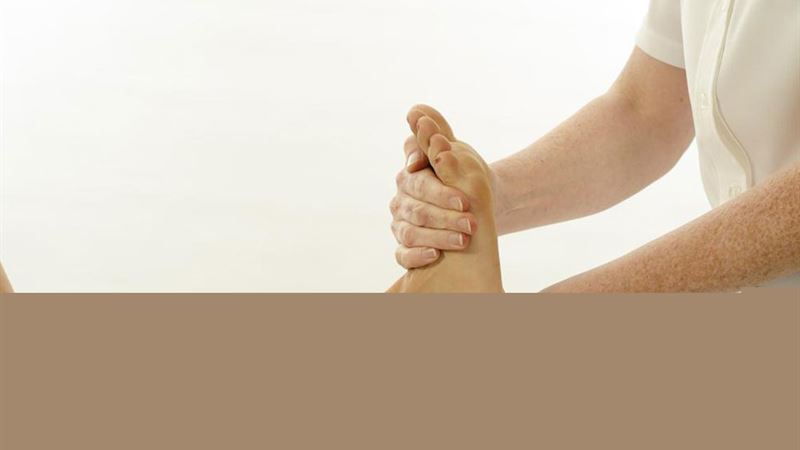
Incorporating Movement and Activity: One of the most straightforward yet effective ways to reduce ankle swelling is to keep your legs moving. Prolonged periods of sitting or standing can lead to fluid accumulation in the lower extremities. To counteract this, it’s recommended to take brief breaks to walk or stretch every hour. Simple activities such as ankle rotations, heel lifts, and leg stretches help stimulate blood flow, decrease fluid retention, and promote lymphatic drainage. If mobility allows, engaging in low-impact exercises like swimming or cycling can further enhance circulation and reduce swelling over time.
Wearing Compression Gear: Compression stockings and socks are highly effective in managing swollen ankles. These specially designed garments exert gentle pressure on the legs, supporting blood vessels and preventing fluid buildup. Compression therapy not only alleviates pain, cramps, and spasms that often accompany swelling but also enhances blood circulation, particularly during nighttime when symptoms tend to worsen. Properly fitted compression wear can be a game-changer for individuals prone to edema, chronic venous insufficiency, or those recuperating from injury or surgery.
Soaking Feet in Epsom Salt: A traditional yet proven natural remedy for reducing swelling involves soaking your feet in Epsom salt. The mineral-rich Epsom salt, when dissolved in warm water, can soothe inflamed tissues, ease muscle tension, and draw excess fluids away from the ankles. To prepare, fill a basin with warm water—test the temperature to avoid burns—and add a generous handful of Epsom salt. Submerge your feet for at least 30 minutes, allowing the salt’s properties to work on reducing swelling. For best results, repeat this process daily or as needed. Be vigilant for any signs of skin irritation or unusual symptoms, and consult a healthcare professional if discomfort persists or if you notice blisters or ulcers on your skin.
Elevating Your Legs: Elevation is another natural technique that can significantly reduce ankle swelling. Lying down and propping your legs above heart level using pillows or cushions facilitates gravity-assisted fluid drainage. Elevating your legs for 15-20 minutes several times a day can diminish swelling and relieve pressure. This practice is especially beneficial after prolonged standing or during rest periods. Combining leg elevation with gentle massage can further stimulate circulation and expedite recovery.
Dietary Adjustments: What you eat has a direct impact on fluid retention and inflammation. Reducing intake of salt and processed foods can help prevent water accumulation in your lower limbs. Incorporate anti-inflammatory foods like fresh fruits, vegetables, and omega-3 fatty acids from fish or flaxseeds into your diet. Staying well-hydrated by drinking plenty of water supports kidney function and flushes out excess fluids. Avoiding excessive caffeine and alcohol intake can also lessen swelling and improve overall health.
Monitoring and Medical Attention: While natural remedies are effective for mild to moderate swelling, persistent or severe symptoms require prompt medical evaluation. Swelling accompanied by redness, warmth, pain, or skin changes may indicate infection or deep vein thrombosis, necessitating immediate attention. Regular check-ups and consultations with healthcare providers can help identify underlying causes such as circulatory issues, heart, kidney, or liver conditions, that may be contributing to the swelling. Early diagnosis and appropriate treatment are critical to prevent complications.
By integrating these natural methods into your daily routine, you can effectively manage ankle and leg swelling, improve mobility, and enhance overall well-being. Remember, consistency and early intervention are key to achieving the best outcomes. Always consult with a healthcare professional before beginning any new treatment regimen, especially if you have existing health concerns or experience persistent symptoms.