
Effective Strategies to Reduce Swelling in Feet and Ankles
Discover comprehensive and natural methods to effectively reduce swelling in your feet and ankles. From elevating legs and exercise to yoga and dietary tips, this guide provides practical solutions for relief and prevention. Learn when to seek medical care and how holistic approaches can improve circulation, ease discomfort, and enhance overall leg health for lasting wellness.
Swelling in the feet and ankles is a common condition experienced by many individuals, often resulting from prolonged periods of standing, injuries, or underlying health issues such as circulatory problems or kidney conditions. While occasional swelling might not be alarming, persistent or severe swelling warrants attention and appropriate treatment. Fortunately, there are multiple methods to alleviate this discomfort, improve circulation, and restore normalcy to your lower limbs. This comprehensive guide explores effective and natural ways to relieve swelling, including home remedies, lifestyle changes, and medical approaches.
Understanding the Causes of Swelling in Feet and Ankles
Before delving into treatment options, it’s essential to understand what causes swelling in the feet and ankles. Typically, swelling occurs when excess fluid accumulates in the tissues, leading to noticeable puffiness. Common causes include:
- Prolonged standing or sitting, which impairs circulation
- Injury or trauma resulting in inflammation
- Chronic venous insufficiency, where veins fail to return blood efficiently
- Heart, liver, or kidney diseases impacting fluid balance
- Hormonal variations, such as during pregnancy
- Certain medications that cause fluid retention
- Blood clots or blockage in leg veins
- Infections or inflammatory conditions
Natural and Practical Remedies for Swollen Feet and Ankles
1. Elevate Your Legs to Promote Circulation
One of the most straightforward methods to reduce swelling is elevating your legs above heart level. Gravity aids in draining accumulated fluids from the lower extremities back towards the torso, thereby decreasing puffiness. To do this effectively:
- Lie down on a comfortable surface and prop your legs on pillows or cushions.
- Maintain elevation for 15-30 minutes, multiple times a day, especially after long periods of standing or sitting.
- Avoid crossing your legs while seated, as it can impede blood flow.
This simple step helps alleviate pressure on blood vessels and enhances circulation, often providing immediate relief from swelling.
2. Incorporate Gentle Exercise into Your Routine
Exercise plays a vital role in improving blood flow and preventing fluid accumulation. Regular physical activity stimulates circulation, keeps veins healthy, and supports lymphatic drainage. Recommended exercises include:
- Walking: A low-impact activity that activates calf muscles, aiding venous return.
- Leg swings and ankle circles: Enhance joint mobility and blood flow.
- Swimming or water aerobics: Provide resistance and reduce joint stress.
- Stretching routines: Promote flexibility and circulation.
It’s advisable to start slowly and gradually increase activity levels, especially if you’re new to exercise or have underlying health conditions. Consistency is key to managing swelling over time.
3. Practice Yoga for Improved Blood Flow and Clot Prevention
Yoga offers specific postures that facilitate better circulation and help prevent the formation of blood clots, which can contribute to swelling. Poses like the Legs-Up-The-Wall pose, Downward Dog, and Bridge pose encourage blood flow from the legs back to the heart. Regular yoga practice can:
- Enhance vascular health
- Reduce inflammation
- Promote relaxation and reduce stress hormones that may impact fluid retention
It’s recommended to learn yoga under the guidance of an instructor, especially if you have health concerns or mobility limitations.
4. Optimal Hydration and Dietary Adjustments
Proper hydration is crucial in maintaining fluid balance and preventing excess water retention. Drinking sufficient water helps kidneys eliminate toxins and excess fluids. Additionally, dietary changes can influence swelling:
- Reduce salt intake to prevent water retention
- Eat potassium-rich foods like bananas, sweet potatoes, and spinach to balance electrolytes
- Limit processed foods and foods high in sodium
- Incorporate diuretic foods such as watermelon, cucumber, and lemon
A balanced diet combined with adequate hydration can significantly aid in controlling swelling.
5. Home Remedies: Tonic Water Soak and Massage
An unconventional but sometimes effective remedy involves soaking the feet in tonic water, which contains quinine—a compound historically used to treat malaria and known to reduce swelling temporarily. To perform this remedy:
- Use room temperature or slightly warm tonic water
- Soak your feet for about 10-15 minutes
- You may also heat the water for a more soothing experience, but avoid scalding temperatures
This method temporarily eases discomfort and diminishes puffiness. However, if swelling persists or worsens, seek medical advice.
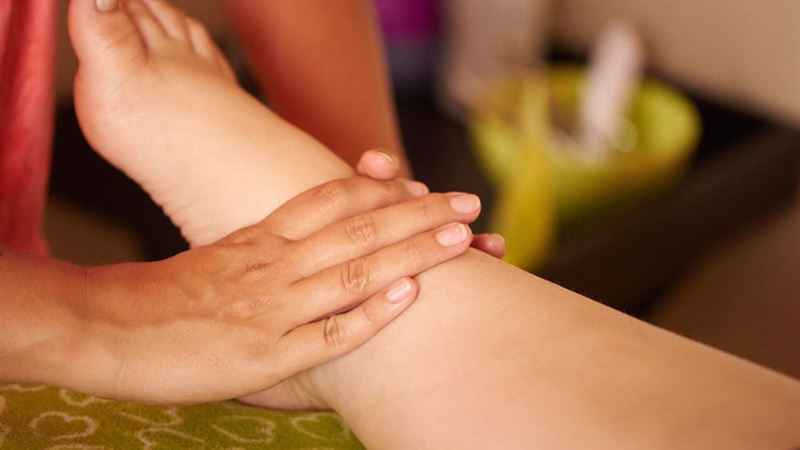
Massage therapy is another beneficial approach. Gentle massage from the ankles upward can help stimulate lymphatic drainage and improve circulation. When getting a massage:
- Inform your therapist about the swelling and pain
- Ask for focused lymphatic drainage techniques
- Limit pressure if you experience discomfort
This therapy can provide immediate relief, reduce pain, and enhance blood flow.
When to Seek Medical Attention
While natural remedies can be effective for minor to moderate swelling, there are circumstances where medical intervention is necessary:
- Swelling persists despite home treatment
- Accompanied by severe pain, redness, or warmth
- The swelling develops suddenly and is associated with chest pain or difficulty breathing (indicating possible blood clots)
- Presence of open wounds, fever, or signs of infection
- Symptoms worsen or if you have underlying chronic health conditions
If any of these signs are observed, consult a healthcare professional promptly to determine the underlying cause and receive targeted treatment.
Medical Treatments for Persistent or Severe Swelling
Depending on the cause, your doctor may recommend various medical interventions:
- Diuretics to promote fluid excretion
- Compression stockings to improve venous return
- Addressing underlying conditions such as heart or kidney disease
- Vascular procedures for blood clots or vein issues
- In cases of infection or injury, antibiotics or anti-inflammatory medications
Always follow medical advice and medications prescribed by your healthcare provider for effective management.
Conclusion: A Holistic Approach to Managing Foot and Ankle Swelling
Swelling in the feet and ankles can be alleviated through a combination of lifestyle modifications, home remedies, and medical treatments. Elevating your legs, regular exercise, yoga, and dietary adjustments form the foundation of preventive and therapeutic strategies. When necessary, alternative therapies like tonic water soaks and massage can provide additional relief. Recognizing warning signs and seeking medical attention ensure that underlying conditions are addressed promptly. With consistent care and a proactive approach, managing foot and ankle swelling becomes achievable, restoring comfort and mobility to your daily life.