
Essential Guidelines for Installing a Home Stairlift Safely and Effectively
Discover comprehensive insights into home stairlift installation, including types, features, and safety considerations. Learn how to choose the right stairlift for your staircase and ensure a secure, efficient setup. Improve mobility and safety with expert tips on installation, customization, and safety features, making stair access easier and safer for seniors and individuals with mobility challenges.
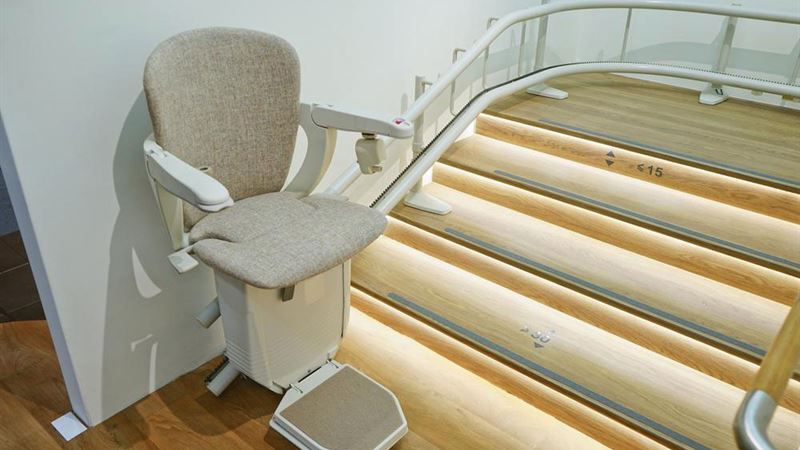
What Exactly Is a Stairlift?
A stairlift, also known as a chair lift, is an electrically powered device that transports a user up or down a staircase. It consists of a chair or seat attached to a rail system that runs along the staircase. When activated, the chair moves smoothly and steadily along the rail, allowing users to traverse the stairs without exerting physical effort. This technology is especially valuable for individuals with limited mobility, balance issues, or recovering from injuries, providing a safe alternative to stairs.
Typically installed in multi-story homes, assisted living facilities, and workplaces, stairlifts are versatile devices that enhance safety and independence. They are an excellent way to maintain daily routines and avoid the risks associated with traditional stair climbing or the need for extensive home modifications.
Categories of Stairlifts Based on Staircase Design
- Straight Rail Stairlifts
Straight rail stairlifts are the most prevalent and straightforward option. Designed specifically for staircases that run straight without any bends or curves, these units are highly efficient and cost-effective. Their installation is quick, often requiring minimal customization, which translates into shorter wait times and lower costs. The rails are standardized, making it possible for knowledgeable DIY enthusiasts to install them with proper guidance. These stairlifts are ideal for homes with uncomplicated staircases and are celebrated for their durability and ease of use. Despite mass production, many models offer adjustable features for a personalized fit.
- Curved Rail Stairlifts
When dealing with staircases featuring landings, bends, or intricate curves, curved rail stairlifts are the best choice. Unlike straight models, these are custom-built to match the specific contours of the staircase, ensuring a seamless and safe ride. Development and installation require a tailored approach, often taking several weeks. Significant expertise is needed during the installation process, usually necessitating professional assistance to guarantee safety and functionality. While more expensive than straight models, curved stairlifts provide a comfortable and secure solution for complex staircases, making them suitable for elegant or uniquely designed homes.
- Outdoor Stairlifts
Outdoor stairlifts are engineered to withstand environmental elements such as rain, wind, and UV exposure. These units are weatherproofed with durable materials, waterproof covers, and marine-grade vinyls, making them suitable for exterior stairs on porches, decks, or patios. They enable safe outdoor movement, maintaining outdoor access even in challenging weather conditions. Some manufacturers offer versatile models that function both indoors and outdoors, with modifications to handle climate variations. Outdoor stairlifts are essential for homes with external stairs, ensuring safety and independence without the need for extensive renovations.
Important Features to Evaluate When Purchasing a Stairlift
Beyond choosing the appropriate type based on staircase design, certain features significantly enhance user experience and safety. Here are some essential features to consider:
- Foldable Seats
This space-saving feature allows the seat to fold up when not in use, preventing obstruction on narrow staircases and reducing the risk of accidental bumps or falls. It’s particularly advantageous in compact homes or tight stairways.
- Swiveling Seats
Seats with swiveling capabilities allow the user to rotate the chair at the top or bottom of the stairs, facilitating safer entry and exit onto level flooring. This feature minimizes strain and helps prevent falls during boarding or disembarking.
- Armrests
Armrests offer added stability and comfort, providing a secure handhold during transit. They also help reduce fatigue and offer a sense of confidence for users with balance issues.
- Footrests
Footrests enhance comfort and safety by supporting the user’s feet, preventing them from dangling or bumping into steps. They contribute to a smoother ride and improve overall stability.
- Seat Belts
Automotive-grade seat belts are crucial safety features that keep users securely seated, especially important for those with limited balance or coordination. They reduce the risk of falling off the chair during movement.
- Safety Sensors
Integrated sensors detect obstacles or obstructions in the rail’s path, automatically stopping the lift if something is detected. This prevents accidents and enhances safety during operation.
- Remote Controls
The convenience of remote controls allows users or caregivers to summon the stairlift to the top or bottom of the staircase effortlessly. This feature is especially useful in multi-user environments or for those with limited mobility.
Alternative solutions like standing stairlifts are also available for individuals uncomfortable seated for long durations. These devices operate similarly but allow users to stand while being supported by handrails, providing flexibility and independence for shorter trips.
Ultimately, selecting the right stairlift involves considering both functionality and safety features. Proper installation and professional guidance ensure optimal performance, helping users reclaim mobility and safety within their homes.