
Understanding Medical Alert Systems: Features, Costs, and Medicare Coverage Insights
Medical alert systems are vital devices for senior safety, providing immediate emergency help and additional features like GPS, fall detection, and medication reminders. While they are not covered fully by Medicare, some insurance plans offer discounts. Options vary from simple wearable pendants to advanced systems with cellular and GPS capabilities, designed for easy use and quick response. Costs include device, installation, and monthly fees, but the benefits of peace of mind and enhanced safety make them essential for independent living. Learn about top systems and coverage options today.
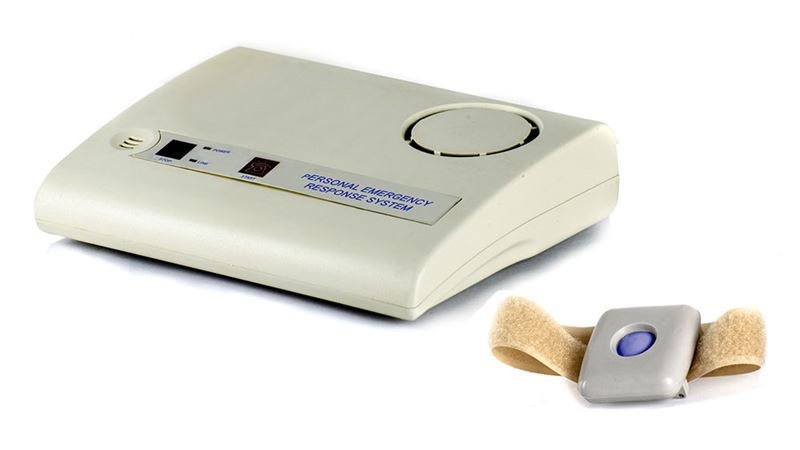
So, what exactly are medical alert systems, and how do they function? These devices typically involve an external electronic unit connected to your home telephone line or cellular network. When a user presses the emergency button, the device transmits a signal to a dedicated response center staffed by trained professionals. The operator then establishes communication with the user, assesses the situation, and dispatches appropriate help—whether that be a caregiver, family member, or emergency services—swiftly and efficiently. Some modern systems are equipped with automatic fall detection sensors, which activate immediately if a fall is detected, even if the user is unable to press the button themselves. This proactive approach dramatically improves response times in critical moments.
Beyond temporal and spatial convenience, medical alert devices extend their utility outdoors using cellular technology and GPS navigation. Such features enable users to summon help regardless of their location, be it running errands, walking in the neighborhood, or traveling. Geographic tracking and alerts for wandering—particularly beneficial for individuals with memory impairments like Alzheimer's or dementia—add extra layers of safety. In the event of unexpected wandering, these GPS-enabled devices can send location updates to caregivers or family members, facilitating quick retrieval and reassurance. Moreover, many systems now incorporate fall detection sensors, which are invaluable since falls are a leading cause of injury among seniors, potentially resulting in hospitalization or long-term disability.
Let’s take a detailed look at some fundamental features of modern medical alert systems and their benefits:
- User-friendly Design
Ease of operation is vital, especially for older adults. Most devices are lightweight, wearable, and simple to activate with a single button press. The wearable units—necklaces or wristbands—are designed to be unobtrusive and stylish, encouraging consistent use. Once activated, they connect the user to a responsive call center where trained operators assist with the emergency or provide reassurance. - Cost-Effectiveness and Affordability
While early medical alert systems could be quite costly, technological advances have driven prices down substantially. It’s now possible to find reliable systems at an affordable rate. Additionally, checking with insurance providers might reveal coverage options or discounts. Tax deductions may also apply in certain regions for medical device purchases, further reducing the financial burden. - Easy Installation
Most home-based alert systems are straightforward to set up. The primary unit resembles an answering machine and requires connection to a landline or cellular network along with power. Some models offer wireless setup options using cellular data, eliminating the need for physical wiring and simplifying installation for households without existing landline connections. - Variety of Choices
From basic models to sophisticated systems with GPS, fall detection, and activity monitoring, the market now offers a plethora of options tailored to different needs. Wearable devices often come integrated with waterproof features, making them suitable for swimming or showering. Modern designs are discreet and customizable, enabling users to wear them comfortably throughout the day. Additionally, multiple device configurations are available, including mobile units that work outside the home environment. - Medication Reminders and Beyond
Advanced systems do more than just connect users with emergency help. Many now include medication reminders, prompting users to take pills at scheduled times. They can also monitor vital signs, detect toxins like carbon monoxide, act as smoke alarms, and notify users of potential environmental hazards. Such multifunctional capabilities expand the utility of these devices, making them versatile health and safety tools. - Reliable 24/7 Monitoring
Continuous supervision is vital for high-risk individuals. Most medical alert systems operate around the clock, ensuring immediate assistance whenever needed. This constant connectivity provides peace of mind to family members and caregivers, knowing that help is just a button press or a fall away, regardless of the time of day or night.
Now, let's analyze the costs associated with acquiring and maintaining a medical alert system:
There are initial and ongoing expenses to consider beyond the purchase price of the device itself. These include installation fees, maintenance, and monthly service charges. Understanding these costs helps in choosing a system that fits your budget while ensuring comprehensive safety coverage.
- Installation Fees
Some systems require professional setup, which can cost anywhere from $100 to $200, depending on the complexity. Basic plug-and-play models, however, can be activated immediately upon unboxing, with no additional fees. - Device and Accessories
The starting cost usually includes a wearable pendant or bracelet—generally priced around $50 to $100. This initial investment covers the essential equipment. Additional accessories or upgraded models may incur extra charges, but many providers offer leasing or payment plans to spread out the expenses. - Monthly Service Fees
Service charges vary based on system features and providers. Basic plans might start at around $20 per month, while more comprehensive packages with GPS, fall detection, and cellular connectivity can range from $40 to $60 monthly. These fees cover 24/7 monitoring and emergency response services, providing peace of mind and rapid assistance whenever necessary.
Let’s now clarify Medicare’s stance on coverage for these vital safety devices:
Currently, medical alert systems are not directly covered under Medicare Part A or Part B. Medicare typically reimburses hospital stays, doctor visits, and specific medical equipment. While general medical equipment coverage does exist, basic alert systems do not fall under Medicare’s standard benefits. However, some Medicare Supplement plans (Medigap) or private insurance policies may offer discounts or partial reimbursement for these systems. It’s advisable to consult your insurance provider or Medicare representative to explore potential savings options or eligibility for subsidized programs.
Additionally, some states or local health programs offer assistance or grants to seniors for purchasing safety devices, including medical alert systems. Researching these resources can significantly reduce out-of-pocket expenses and improve access to essential safety technologies.
Choosing the right medical alert system can seem overwhelming given the variety of options available. To aid your decision, here are some top-rated systems in the market, known for their reliability, features, and customer satisfaction:
- Medical Guardian
Medical Guardian has established a reputation over the last decade for providing high-quality, user-centric emergency response solutions. Their diverse product lineup includes in-home landline-based systems, cellular units, GPS-enabled mobile devices, and even stylish smartwatches that combine safety with modern aesthetics. For expansive homes, the Classic Guardian model ensures complete coverage with a broad range. Customers praise their responsive customer service and advanced monitoring features, making them a top choice for seniors wishing to maintain independence without sacrificing safety. - Bay Alarm Medical
With a heritage dating back to 1946, Bay Alarm Medical is a trusted name in personal safety devices. Their offerings include conventional in-home systems, cellular alarm units, and GPS-based options for outdoor activity. Notably, they pioneered in-car medical alert systems, enabling seniors to drive more confidently. The devices boast impressive ranges up to 1000 feet, suitable for large homes or properties. Their durability, straightforward setup, and reliability make them a preferred choice among families concerned with comprehensive care. - Philips Lifeline
Philips Lifeline specializes in versatile, professional-grade medical alert systems. Their products encompass both in-home and cellular options, with features like waterproof buttons, automatic fall detection, and long-lasting batteries. The system can be installed independently or professionally, offering flexibility. Their plans include personalized response protocols, ensuring tailored emergency management. Although priced higher than some competitors, the exceptional customer service, extensive feature set, and proven track record justify the investment for many families seeking reliable safety solutions.