
Ultimate Guide to Emergency Alert Systems for Seniors: Ensuring Safety and Independence
Discover the most advanced emergency alert systems designed for seniors, offering features like fall detection, GPS tracking, and 24/7 response. Learn how these devices ensure safety and independence whether at home or on the go. Our comprehensive guide helps families choose the best medical alert system tailored to their loved ones' needs, integrating cutting-edge technology for prompt assistance and peace of mind in everyday life.
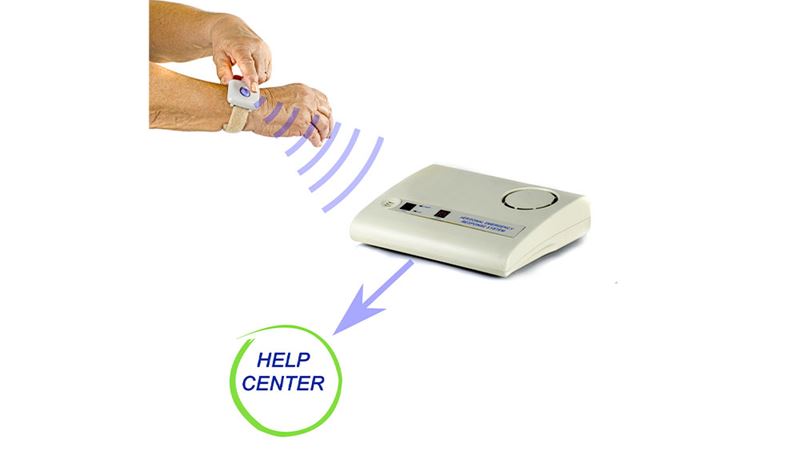
In today's world, ensuring the safety of our elderly loved ones has become a top priority for families and caregivers. Emergency alert systems are innovative tools designed to provide quick and reliable assistance during emergencies, empowering seniors to maintain independence while feeling secure at home or on the move. These devices are vital in moments of health crises, falls, or accidents, providing immediate communication pathways to emergency responders. With a wide array of options available, selecting the most suitable system can be overwhelming. This comprehensive guide explores the leading medical alert systems, features, benefits, and technological advancements to help you make an informed decision for your loved ones’ safety.
Emergency alert systems for seniors are designed to offer rapid response capabilities in case of medical emergencies or accidents. They typically include a wearable device—such as a pendant, bracelet, or watch—that enables the user to alert a response center instantly. The core purpose of these systems is to ensure that help arrives promptly, reducing the potential severity of injuries or health deterioration. Modern systems are equipped with features like fall detection, GPS tracking, two-way voice communication, and cellular connectivity, making them versatile and reliable in various situations.
The key to choosing the right system lies in understanding individual needs, lifestyle, and environment. For seniors who live alone or frequently move outside their homes, mobile alert systems with GPS capabilities are highly recommended. Conversely, for those primarily at home, stationary systems with landline or Wi-Fi connectivity may suffice. Moreover, the integration of automatic fall detection technology eliminates the need for the user to press a button during a fall, ensuring help is summoned even if the individual is unconscious or unable to respond.
Popular brands like Philips Lifeline have pioneered numerous innovative medical alert solutions. Their flagship products, such as HomeSafe with AutoAlert, combine reliable communication with advanced fall detection. This system features sensors that detect falls and automatically notify emergency responders, significantly reducing lag time in critical moments. Additionally, systems like GoSafe and GoSafe2 cater to active seniors by providing mobile, waterproof devices that facilitate help anywhere, anytime. These units include GPS tracking, two-way voice communication, fall detection, and intelligent location services that can identify exact positions and travel routes, ensuring rapid response regardless of location.
Understanding the technological distinctions among these systems can help tailor a solution that best fits your loved one’s routine and safety needs. For example, the HomeSafe with AutoAlert is ideal for individuals who mainly stay indoors, offering reliable landline or wireless connections. On the other hand, GoSafe and GoSafe2 are designed for seniors with active lifestyles, featuring waterproof designs, GPS tracking, and wireless connectivity, allowing independence without compromising safety. The auto fall detection feature is an essential addition, providing peace of mind that assistance will be summoned whether or not the user can manually activate the device.
Another aspect to consider is connectivity. Systems with cellular or wireless capabilities eliminate dependence on landlines, which may be prone to outages or disconnections. Wireless systems are particularly advantageous for seniors living in areas with unstable phone services, ensuring continuous protection. Also, many systems now include additional safety features like loud audio beacons that activate during alerts, helping responders locate the individual more quickly in noisy environments or complex settings.
Installation and ease of use are crucial factors when selecting an emergency alert system. Devices should be simple to operate, with straightforward activation buttons or automatic features. Customer support and monitoring services are equally important; reputable providers offer 24/7 monitoring with trained response teams ready to assist at any time of day or night. Many systems also include optional extras like medication reminders, GPS location sharing with family members, and integration with smart home devices for a comprehensive safety ecosystem.
Choosing the ideal emergency alert system is an investment in peace of mind for both seniors and their loved ones. Whether prioritizing home-based safety or active mobility, there are solutions tailored to each lifestyle. Over the years, technological innovations have dramatically improved the reliability, responsiveness, and user-friendliness of these systems. As an essential tool for aging in place safely and confidently, modern alert systems serve as a lifeline, ensuring prompt assistance during unexpected emergencies, and fostering independence with security.