
Effective Strategies for Detecting and Blocking Signal Jammers
Learn comprehensive methods to detect and eliminate signal jammers, including practical tips, technological insights, and legal considerations to ensure reliable communication in various environments.
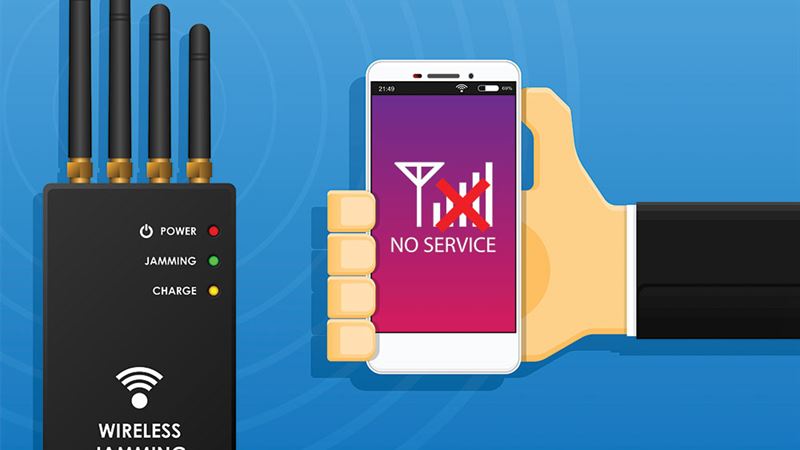
When facing persistent signal disruptions, it is essential to understand the potential causes and how to address them effectively. Signal jamming devices disrupt wireless communication by transmitting interfering signals that block legitimate signals between mobile devices and cell towers. Recognizing their presence can be challenging, especially for untrained individuals, but knowing the signs and methods to detect and neutralize them is vital for maintaining reliable communication, especially in critical environments such as hospitals, secure facilities, and important events.
One way to identify potential jamming activities is to observe unusual drops in signal strength across multiple devices simultaneously. If users in the same vicinity report loss of service or degraded call quality, it might indicate the presence of a signal jammer in the area. Additionally, checking if the issues are localized rather than widespread can help pinpoint the source. In some cases, simply moving to a different location can restore signal reception, indicating that the disruption was caused by a nearby jammer.
It is also helpful to engage with individuals nearby—sometimes, other people may notice abnormal interference patterns or identify suspicious devices that resemble common electronic gadgets like smartphones or wireless routers. Identifying these devices can be tricky, as many signal jammers are compact and look like regular consumer electronics. Some advanced models are designed to blend seamlessly into their surroundings, making detection more difficult without specialized equipment.
To improve detection efforts, technology enthusiasts and security personnel often use dedicated signal scanning apps or professional-grade equipment capable of detecting abnormal radio frequency activity. However, it's important to note that such apps have limitations—they often require an uninterrupted signal for analysis and may not reliably detect more sophisticated or high-grade jammers. True detection of advanced jamming devices typically requires military or government-grade tools, not readily available to the public.
So, how can one effectively counter or stop a signal jammer? The easiest method involves physically locating the jamming device and disabling it. Devices designed for signal jamming often resemble everyday items, such as small smartphones or Wi-Fi routers, making manual detection laborious. Once located, turning off or removing the device can restore normal communication channels.
Another strategy is to attempt switching your device's operating frequency, if supported. Some smartphones and communication devices offer alternative frequency settings or network modes, which might be unaffected by the jammer. Nevertheless, high-grade jammers are capable of blocking wide frequency ranges, rendering this method ineffective in certain scenarios.
Frequency hopping, a technique where the device rapidly switches between multiple frequencies, can sometimes help evade signal blockers; however, this is often only available in advanced communication systems and not standard consumer devices. Moving to a location further away from the suspected jammer can also significantly improve signal quality, as most jammers have limited effective range—typically around 30 square feet. Increasing distance from the suspected source could restore signal reception temporarily.
Legal considerations are crucial when discussing signal jammers. The use, sale, or possession of such devices is illegal in many countries, including the United States, due to their potential to interfere with emergency communications and critical infrastructure. If you suspect that a signal jammer is operational in your vicinity, reporting it to authorities such as the Federal Communications Commission (FCC) is highly recommended. Law enforcement agencies can investigate and take appropriate action against offenders.
Engaging with regulatory authorities underscores the importance of lawful communication practices. Operating or marketing signal jammers violates federal laws, and violators can face serious penalties, including hefty fines, imprisonment, or both. Public awareness about the dangers and illegality of signal jammers promotes safer and more secure communication environments for everyone.
In conclusion, while detecting and stopping signal jammers can be challenging, understanding their functioning, recognizing signs of interference, and knowing the legal implications are critical steps. Employing physical detection, using technological tools where available, and cooperating with authorities form a comprehensive approach to tackling unauthorized signal disruption. Maintaining open lines of communication and adhering to legal standards ensure a safer, more connected society where emergency services and everyday communications are protected from interference.