
Critical Insights into Signal Jammer Technologies and Legal Considerations
This comprehensive guide provides detailed insights into signal jammers, including their functions, uses, and legal restrictions worldwide. Learn how these devices operate, their potential impacts on communication systems, and why their unauthorized use is strictly prohibited to safeguard public safety and ensure lawful practices across various sectors.
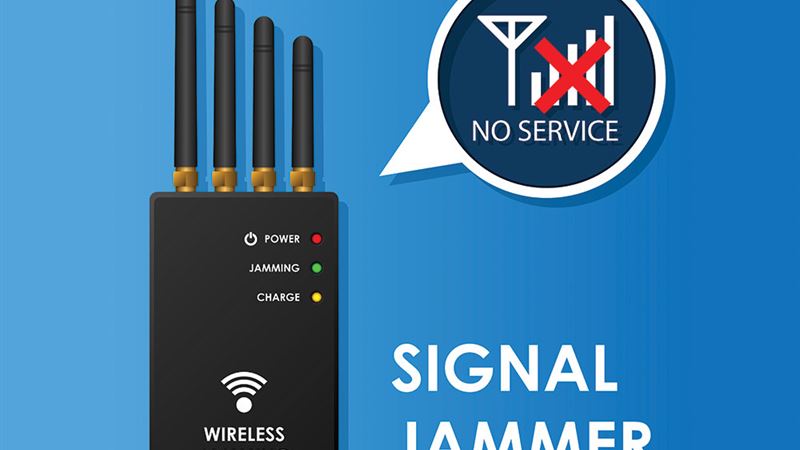
The Essence of Signal Jammers
Signal jammers, also known as blocker devices, are specialized electronic tools designed to interfere with wireless communication networks over a specified range. These devices emit radio frequency signals on the same frequencies used by mobile carriers, WiFi routers, GPS satellites, and radar systems, thereby preventing devices from successfully transmitting or receiving data. The core purpose of a jammer is to create a 'signal blackout' zone where communication lines are effectively cut off, rendering devices useless within that area. Their applications can range from military and law enforcement efforts to unauthorized use in civilian spaces, often leading to legal complications.
The Versatile Purpose and Usage of Signal Jammers
While their primary purpose is often associated with security and tactical operations, signal jammers are also sometimes employed in environments where communication disruptions are deemed necessary to maintain order or confidentiality. For example, prisons, high-security government offices, or during court proceedings may utilize jammers to prevent illicit recording or communication. Conversely, many people believe jammers are useful tools for creating zones free of distractions—such as in educational institutions, courthouses, or hospitals—where controlling communication can enhance privacy or minimize disturbances.
However, it is imperative to recognize that unauthorized use of these devices poses substantial risks and legal violations. Because they can interfere not only with personal devices but also with crucial public safety communications, their deployment outside authorized settings can lead to severe consequences, including criminal charges.
Impact of Signal Jammers on Communication Infrastructure
One significant issue with signal jammers is their potential to disrupt broader communication networks. For instance, if a jammer operates over an extensive range, it can unintentionally block emergency services, police, or fire department signals, thus endangering lives. Moreover, these devices can negatively influence signal boosters used to enhance weak cellular signals in remote or rural areas. When a jammer is active, it may negate the benefits of signal amplifiers, further complicating communication at critical moments.
Legal Regulations and Restrictions Surrounding Signal Jammers
In most countries, including the United States, the use, sale, and possession of signal jammers are strictly prohibited by law. Regulatory bodies such as the Federal Communications Commission (FCC) in the U.S. have classified these devices as illegal because they can interfere with essential communication channels that serve public safety, military, and government functions. The Communications Act of 1934 safeguards the radio frequency spectrum and strictly forbids any unauthorized interference with authorized broadcasts and signals.
Illegal deployment of these devices can lead to serious legal ramifications, including hefty fines and imprisonment. Despite their portrayal in movies or TV dramas as handy mystery devices, real-world applications should be confined exclusively to authorized personnel, such as law enforcement or military officials, who possess the necessary permissions and expertise.
Why the Unauthorized Use of Signal Jammers is Detrimental
While it might seem tempting to use a device to block signals temporarily—be it to prevent privacy breaches, avoid distractions, or secure private spaces—such actions often result in unintended consequences. Not only do they violate legal statutes, but they can also interfere with vital emergency services, healthcare communications, and safety systems. The chaos caused by unmanaged signal interference can be catastrophic in scenarios requiring urgent communication, such as during natural disasters, accidents, or criminal activities.
Conclusion: Navigating the Balance Between Security and Regulation
In conclusion, signal jammers are potent devices with significant strategic value for designated professionals but pose dangers and legal issues when misused. The best approach is to understand their operational mechanisms, recognize the legal boundaries that restrict their civilian use, and respect the importance of secure and reliable communications in our society. As technology continues to evolve, so will the regulations governing these devices, emphasizing the need for informed and responsible use.
Understanding the implications, legal considerations, and proper contexts for signal jammer deployment is vital in ensuring safety and compliance in a rapidly connected world.