
Comprehensive Advantages of Installing Solar Power Systems in Residential Properties
This comprehensive guide explores the numerous benefits of residential solar panel installation. It covers government incentives, how solar boosts property value, technological advancements, installation steps, and environmental impacts. Discover how solar power is cost-effective, eco-friendly, and enhances energy independence. Learn about online shopping options for solar systems and how easy it is to make the switch. Solar energy not only saves money but also contributes significantly to global sustainability efforts. Harnessing solar power is an investment in your home’s future and the planet's health, making now the perfect time to go solar.
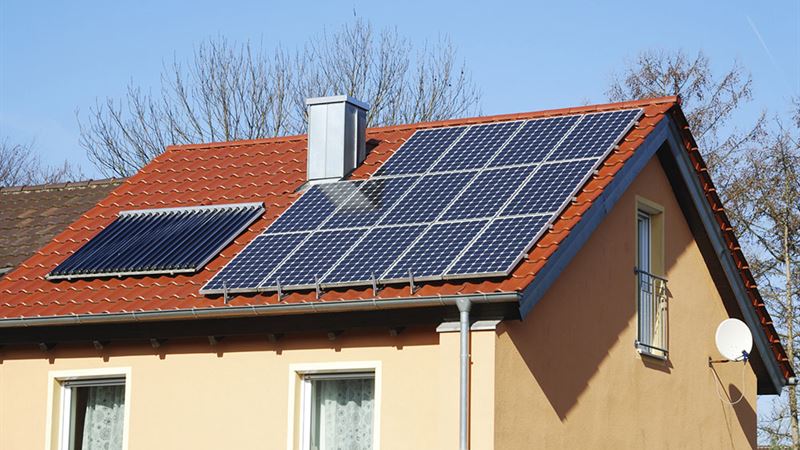
Government Initiatives and Support for Residential Solar Adoption
Government agencies worldwide recognize the importance of renewable energy in combating climate change and promoting energy independence. As a result, many governments offer generous incentives, subsidies, and financing options to encourage residential solar installations. These initiatives often include tax credits, rebates, low-interest loans, and grants designed to offset the initial investment costs and make solar energy more accessible to homeowners. For example, in the United States, federal tax credits can reduce the upfront cost of solar panels significantly, sometimes by as much as 30%. Additionally, some local governments or utilities provide additional benefits, such as net metering, which allows homeowners to sell excess electricity back to the grid, earning credits that further offset their energy expenses. These supportive policies are critical in accelerating the adoption of residential solar power, creating a more sustainable energy landscape.
Enhancement of Property Value through Solar Integration
Homes equipped with solar energy systems enjoy increased market value, making them more attractive to prospective buyers. A property fitted with solar panels typically fetches a higher selling price, often reflecting the lowered ongoing energy costs and eco-friendly features. Numerous studies have demonstrated that houses with solar installations tend to sell faster and at a premium compared to homes without solar power. The presence of solar panels signals energy efficiency and sustainability, attributes highly valued by the modern homebuyer. Furthermore, solar systems can be customized or expanded, adding to their appeal and functionality. This property appreciation benefits homeowners not only by reducing their carbon footprint but also by securing a better return on investment when they decide to sell their homes.
Technological Advancements Boost Solar Panel Efficiency
Advances in solar technology have significantly increased the efficiency of photovoltaic (PV) panels over the past few decades. Originally, early solar panels had efficiencies as low as 4%, making them less effective and more costly per unit of energy generated. Contemporary solar panels are capable of converting over 20% of sunlight into usable electricity, with some high-performance models exceeding 25–30%. These improvements are due to innovations in materials, cell design, and manufacturing processes. More efficient panels mean homeowners require fewer panels to meet their energy needs, thereby reducing installation space and costs. As research continues, even more sophisticated and efficient solar solutions are expected to be introduced, further making solar power an increasingly attractive option for residential use.
Getting Started with Residential Solar Panel Installation
Transitioning to solar energy involves several critical steps that homeowners should meticulously plan. The first step involves evaluating the specific energy needs of the household by analyzing past utility bills and estimating future consumption. It’s also essential to assess the roof’s orientation, tilt, and shading, as these factors directly impact the efficiency and output of solar panels. Many homeowners opt for professional site assessments to determine the optimal system size and layout. Cost considerations encompass not just the price of panels but also the installation process, permits, and potential upgrades to the existing electrical system. Durability and warranty options are key to ensuring longevity and peace of mind, so selecting reputable suppliers and installers is paramount. With proper planning, the transition to solar energy can be smooth, rewarding, and economically advantageous.
Key Benefits of Residential Solar Power Systems
Solar energy is abundant, renewable, and sustainable, offering numerous advantages to homeowners and the environment alike. The shift towards solar power aligns with global efforts to reduce greenhouse gas emissions and combat climate change. Here are the primary benefits of installing solar panels on your home:
- Reduced Energy Expenses: Solar panels significantly cut down electricity bills. Numerous studies have shown reductions of up to 95% in monthly energy costs in homes with solar systems. By harnessing sunlight directly, homeowners can become less dependent on grid-supplied power, leading to substantial savings over time.
- Cost-Effectiveness and Return on Investment: Although the initial installation cost can be substantial, incentives and declining prices make solar panels more affordable. The lifespan of solar systems can reach 25 years or more, providing dependable performance with minimal maintenance. Simple upkeep, like occasional cleaning to remove dirt and debris, helps sustain optimal efficiency.
- Environmental Impact: Solar energy generates no emissions, drastically lowering the carbon footprint associated with traditional fossil fuel power generation. Each kilowatt-hour of solar energy produced reduces greenhouse gases, sulfur oxides, nitrogen oxides, and particulate matter. Additionally, solar power reduces water usage compared to conventional power plants, protecting vital water resources.
- Energy Independence and Resilience: Solar panels provide homeowners with greater control over their energy supply, especially when paired with battery storage systems. During power outages or peak demand periods, stored solar energy can ensure continued power supply, enhancing resilience and reliability.
- Environmental Responsibility: Installing solar panels aligns with a commitment to sustainability, reducing reliance on polluting energy sources, and contributing to a healthier planet for future generations.
Shopping for Residential Solar Panels Online
Thanks to the proliferation of reputable solar providers online, purchasing residential solar systems is now more accessible and secure than ever. Leading companies such as SunPower, Sunpro Solar, Blue Raven Solar, Zenernet, Palmetto Solar, Momentum Solar, and Tesla offer comprehensive online consultation services, detailed product information, and warranty options. Shopping online allows homeowners to compare prices, read customer reviews, and select the most suitable systems with convenience. Moreover, many online platforms provide financing options, virtual site assessments, and professional installation arrangements, streamlining the entire process from selection to activation. Embracing online solar shopping not only saves time but also ensures you get high-quality products backed by solid warranties and robust customer support, all from the comfort of your home.