
Comprehensive Guide to Installing Solar Panels at Home: Budgeting and Cost-Reduction Strategies
This comprehensive guide explores the costs and savings associated with installing solar panels at home. It covers system components, installation expenses, government incentives, and practical tips to minimize costs. Learn how to make informed choices, maximize efficiency, and reduce investment risks while enjoying the long-term benefits of renewable energy. Perfect for homeowners considering solar power, this article provides detailed insights into budget planning and cost-effective strategies for a successful solar setup.
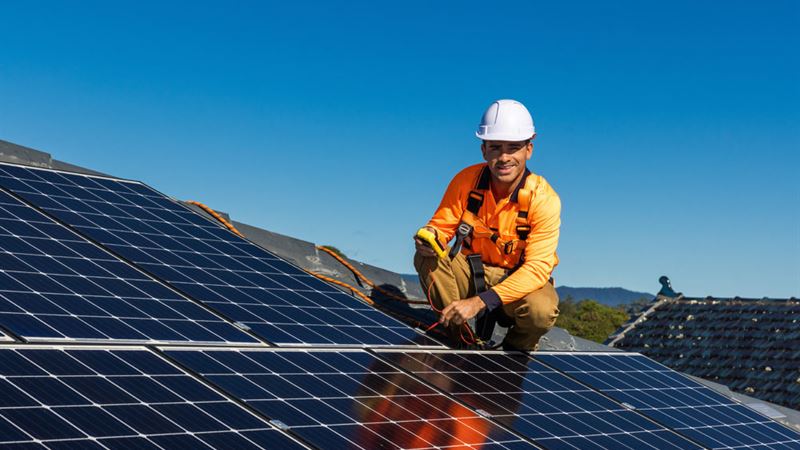
Harnessing solar energy at home has become increasingly popular due to its environmental benefits and potential for significant savings on electricity bills. This detailed guide explores the essentials of setting up a home solar power system, covering installation costs, potential savings, and expert tips to minimize expenses while maximizing efficiency. Whether you're considering a small system for basic needs or a larger setup for complete energy independence, this article provides comprehensive insights to help you make informed decisions about your solar investment.
Solar power systems work by converting sunlight into electricity using photovoltaic (PV) cells embedded within solar panels. These PV cells absorb sunlight, creating electrical charges that generate an electric current. This current is then directed through conductive materials—typically metal wiring—to supply your home with clean energy. Depending on your specific setup, this electricity can be used immediately for household needs, fed back into the electrical grid as a surplus to earn credits or reduce your utility bills, or stored in batteries for use during low sunlight periods, night-time, or emergencies.
Understanding the various costs involved in installing a solar panel system is crucial for effective budgeting. The overall expense depends on multiple factors such as system size, component quality, installation complexity, and additional accessories like storage batteries. A typical starting point for residential installations is a 3-kilowatt (kW) system, which is sufficient for the average household in many regions, including Italy. The cost range for such a system generally falls between €6,000 and €9,000. For larger needs, a 6 kW system might be appropriate, with costs ranging from €7,500 to €15,000. These figures encompass both the hardware components and professional installation services, but actual expenses can vary based on specific circumstances.
Breaking down the costs further helps clarify where your money is going:
- Component Expenses: The most significant upfront costs relate to solar panels, inverters, mounting hardware, and wiring. High-quality, high-efficiency panels and advanced inverters tend to come at a premium. On average, expect to pay approximately €1,200 to €1,500 per kilowatt peak (kWp) for components across Europe. These prices can fluctuate based on brand reputation, technological advancements, and market demand.
- Installation and Labor: The process of assembling and installing a solar system involves skilled labor, which adds to the overall expenditure. Typically, installation costs account for about 10 to 25% of the total hardware cost. Factors influencing these costs include the complexity of the project, roof structure, access points, and specific architectural features. For instance, installing panels on a pitched roof may be more straightforward than on a flat, structurally complex roof requiring additional supports.
- Operational Expenses: Once installed, solar systems have minimal running costs, but routine maintenance is essential for ensuring optimal performance. Regular cleaning, inspection, and occasional repairs generally cost between 1 to 2% of the initial system price annually. Keeping panels clean from debris, dust, or snow can significantly boost their efficiency and lifespan.
- Energy Storage Solutions: Investing in batteries is crucial if your goal is to be fully self-sufficient and reduce reliance on the grid. Advanced storage batteries allow you to store excess electricity generated during peak sunlight hours for later use. The cost for these batteries depends on capacity and technology; typically, they range from €500 to €1,000 per kWh. For an average home, a storage system may add €5,000 to €10,000 to your total investment.
Beyond initial costs, numerous government incentives, subsidies, and tax benefits can substantially lower your expenditure. For example, Italy’s Superbonus 110% scheme previously allowed homeowners to deduct 110% of their solar installation costs from their taxes, making renewable energy investments more affordable. Although the scope of this benefit has been scaled back, it still offers valuable financial relief. Additionally, the Transizione 5.0 Tax Credit encourages corporate and industrial adoption of solar power, providing up to 35% of the project costs as tax credits, primarily administered via tenders for EU-made modules. When combined with other regional incentives or special economic zone benefits, these programs can dramatically reduce upfront expenses.
To optimize your solar investment and keep costs manageable, consider these practical tips:
- Compare Equipment Models: Conduct thorough research before purchasing. Review various brands of panels and inverters, focusing on efficiency, durability, and user feedback. Comparing prices across different suppliers ensures you find the best deal without compromising quality.
- Regular Maintenance: Keep your system operating at peak efficiency by performing routine cleaning and inspections. Regular upkeep prevents long-term damage and expensive repairs, extending the life of your system. Learning basic maintenance procedures can help save on professional service fees.
- Optimal System Placement: Proper alignment and positioning of panels are vital. Ideally, panels should face the sun directly, with minimal shading throughout the day. Site-specific factors such as roof angle, shading objects, and geographical location should guide the installation process to maximize solar gain.
In sum, while initial costs for home solar systems can appear substantial, strategic planning, leveraging incentives, and mindful component selection can significantly lower your overall investment. The long-term savings on energy bills, combined with environmental benefits and potential financial incentives, make solar power a compelling choice. With careful consideration and professional guidance, you can transition smoothly to renewable energy, enjoying cleaner, more affordable electricity for years to come.