
Comprehensive Guide to Solar Panel Installation Costs and Trends in France for 2024
This comprehensive guide explores the detailed costs, incentives, and future trends of installing solar panels in France in 2024. Covering equipment expenses, regional variations, technological innovations, and government support, it offers valuable insights for homeowners and businesses considering solar energy. Understanding these factors helps optimize investment decisions, maximize financial benefits, and contribute to environmental sustainability. As solar technology advances and costs decline, France is becoming an increasingly attractive market for renewable energy adoption. Proper planning and leveraging incentives can make solar power a smart, eco-friendly choice.
Understanding the Cost Composition of Solar Panel Systems in France
Before exploring specific financial figures, it’s crucial to comprehend the various components that make up the total cost of installing solar panels in France. These include the price of solar panels themselves, the installation process, supplementary equipment such as inverters and mounting frames, as well as administrative expenses related to permits and licensing. Each element influences the overall investment required and can vary based on system specifications, location, and technology used.
2024 Cost Estimates for Solar Panel Installation
By 2024, the cost range for installing a solar energy system in France generally spans from approximately €7,000 to €15,000. This broad spectrum reflects the differences in system size, technology quality, and intended application—ranging from small residential setups to larger commercial projects. Larger installations tend to benefit from economies of scale, which lower the cost per kilowatt, making grid-parity more attainable for higher capacity projects.
Breakdown of Costs: Where Does the Money Go?
The lion's share of the expenses—around 60%—is allocated to purchasing high-quality solar panels. The choice of panels significantly influences the overall cost as well as long-term efficiency. Advanced monocrystalline panels, while priced higher initially, tend to generate more power over their lifespan, leading to greater savings and return on investment.
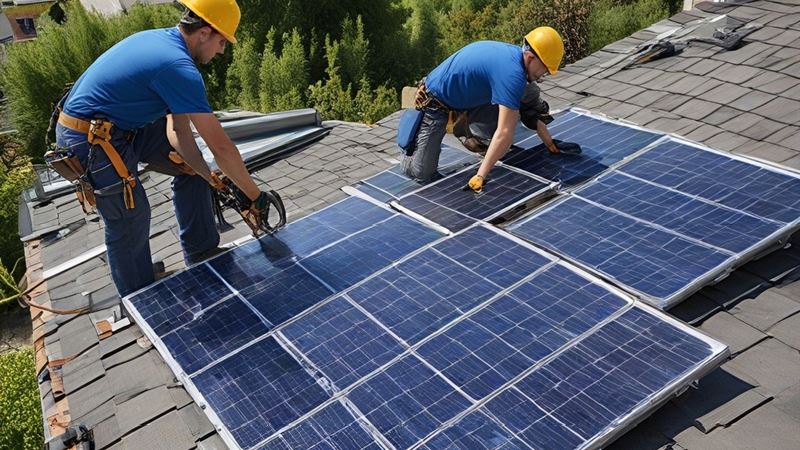
Labor costs are also substantial, accounting for roughly 15% to 20% of total installation expenses in France. Factors impacting these costs include the complexity of roof structures, the geographic location, and the intricacies of the system configuration. Skilled technicians must ensure that panels are correctly installed to maximize efficiency and longevity.
Incentive Programs and Financial Support in France
The French government actively promotes renewable energy through an array of financial incentives. These include reduced VAT rates, direct rebates, and attractive feed-in tariffs that allow system owners to sell excess energy back to the grid. For instance, homeowners might benefit from rebates covering up to 30% of installation costs, significantly reducing upfront expenses. These programs are designed to accelerate the adoption of solar technology and make it more financially accessible to the average citizen.
Technological Innovations and Their Impact on Costs
Recent technological breakthroughs have made solar panels more efficient and less costly to produce. Thin-film solar panels, for example, require less raw material and have simpler manufacturing processes, leading to lower prices. Advances in inverter technology and mounting systems also contribute to improved system performance and reduced installation time. As manufacturers continue to innovate, the overall cost of solar deployment in France is expected to decline slightly, making solar energy increasingly affordable.
Regional Variations and Their Effect on Installation Costs
Where you are in France impacts your solar installation expenses. Urban centers like Paris, Lyon, and Marseille generally incur higher labor and logistical costs, which can elevate overall project prices. Conversely, rural areas may benefit from lower labor rates but face logistical challenges, including transportation costs for equipment. Additionally, some regions offer localized incentives or subsidies that further encourage solar adoption, shaping the financial landscape for prospective adopters.
What Homeowners Should Know Before Going Solar
Investing in solar power involves evaluating both initial costs and long-term savings. While the upfront investment may seem significant, the reduction in monthly electricity bills can offset expenses over years. Moreover, selling surplus energy back to the grid can generate additional income, enhancing the financial viability of solar projects. Environmental benefits, such as lowering carbon footprints and contributing to national sustainability goals, are also compelling reasons to adopt solar energy in France.
The Future of Solar Energy Costs in France
Looking ahead to 2024 and beyond, solar installation costs in France are expected to decrease gradually. Technological advancements, increased competition among providers, and ongoing government support contribute to this trend. As more households and businesses embrace solar energy, economies of scale will further reduce costs, making solar power an even more attractive option. Strategic timing—such as investing during government incentive periods—can maximize financial benefits.
In summary, understanding the true elements of solar panel installation expenses in France involves considering equipment costs, regional differences, technological progress, and available incentives. For those contemplating a switch to renewable energy, staying informed about market trends and leveraging government programs can facilitate a smoother and more cost-effective transition. Ultimately, installing solar panels offers a dual advantage—significant operational savings and positive environmental impact—making it a wise choice for France’s future energy landscape.