
Comprehensive Guide to H. Pylori Infection: Causes, Symptoms, Diagnosis, and Prevention
Learn everything about H. Pylori infection—from its symptoms and diagnostic methods to effective prevention and treatment strategies. This detailed guide helps you understand how to protect yourself and manage the infection effectively, ensuring long-term gastric health.
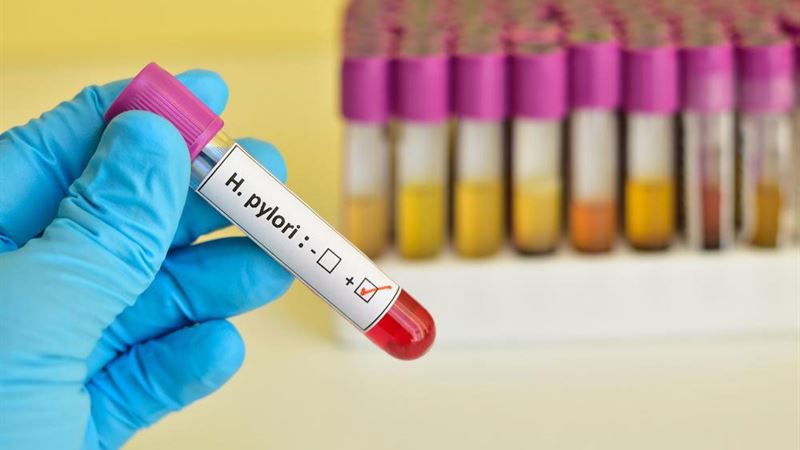
Understanding H. Pylori Infection
Helicobacter pylori, commonly known as H. Pylori, is a type of bacteria that colonizes the stomach lining. It is highly prevalent worldwide, with estimates suggesting that over half of the global population may harbor the bacteria at some point in their lives. Despite its widespread presence, many individuals remain asymptomatic, meaning they show no noticeable symptoms. However, when symptoms do occur, they can significantly impact quality of life and may lead to serious gastrointestinal conditions if left untreated. Educating oneself about H. Pylori is essential for early detection, effective management, and prevention of transmission. This comprehensive guide aims to provide detailed insights into the causes, symptoms, diagnostic methods, and preventive strategies related to H. Pylori infection.
Symptoms of H. Pylori Infection
Since a large portion of infected individuals do not exhibit symptoms, it can be challenging to recognize infection without proper testing. However, certain signs may indicate the presence of H. Pylori, especially if the infection persists or worsens. Recognizing these symptoms early can prompt medical consultation and prompt diagnosis. Common symptoms include:
- Persistent or intermittent burning sensation or pain in the upper abdomen, often described as gnawing or hunger-like discomfort.
- Chronic nausea or a feeling of queasiness that may not resolve with eating or medication.
- Frequent episodes of uncontrollable burping, which can be embarrassing and uncomfortable.
- Unexplained loss of weight, often due to decreased appetite or anxiety about eating.
- Abdominal bloating and a sensation of fullness even after small meals.
- Loss of appetite, which can contribute to nutritional deficiencies over time.
- In some cases, bleeding in the stomach can occur, leading to signs like black or tarry stools or vomiting blood, which require immediate medical attention.
It is critical to note that these symptoms are not exclusive to H. Pylori infection and could be associated with other gastrointestinal issues. Thus, proper medical evaluation is necessary for an accurate diagnosis.
Diagnostic Techniques for H. Pylori Infection
Confirming the presence of H. Pylori requires specific tests conducted by healthcare professionals. These diagnostic methods aim to detect the bacteria directly or identify the body's immune response to the infection. The main diagnostic options include:
- Blood Test: This involves drawing a blood sample to check for antibodies produced by the immune system in response to H. Pylori. While useful, this method may not distinguish between current and past infections, as antibodies can remain in the bloodstream for months after bacterial eradication.
- Breath Test: Also known as the urea breath test, this involves the ingestion of a solution containing labeled carbon molecules. If H. Pylori bacteria are present, they produce enzymes that break down these molecules, releasing carbon dioxide, which can be measured in your exhaled breath. This test is highly sensitive and is often preferred for confirming active infections.
- Stool Test: A stool sample can be analyzed to detect H. Pylori antigens. This non-invasive method is effective and can be used to verify infection post-treatment, ensuring the bacteria have been eradicated.
- Endoscopy with Biopsy: Considered the most definitive diagnostic tool, an endoscopy involves inserting a thin, flexible tube equipped with a camera into your esophagus, stomach, and small intestine. During the procedure, tissue samples (biopsies) are taken and examined under a microscope for H. Pylori presence. This method also allows visualization of any inflammation or ulcers.
Effective Strategies to Prevent H. Pylori Infection
Preventing H. Pylori infection hinges on maintaining good hygiene practices and awareness of transmission routes. Here are some essential preventive measures:
- Wash your hands thoroughly with soap and water before handling food, eating, or after using the bathroom. Proper hand hygiene is crucial, as the bacteria can be transmitted via contaminated hands.
- Consume food prepared in hygienic environments and ensure utensils and cookware are properly cleaned to prevent bacterial contamination.
- Avoid sharing eating utensils, glasses, or cups, especially with individuals showing symptoms of gastrointestinal issues.
- Maintain clean and safe drinking water supplies and avoid consuming food from questionable sources, particularly in regions with poor sanitation.
- If you are sexually active, be aware that H. Pylori can spread through saliva exchange. Using oral protection during intimacy can reduce transmission risks.
- Regular health screening is recommended if there's a family history of H. Pylori infection or related complications. Early detection allows for prompt treatment and prevents progression to more severe conditions.
- Adopt a balanced diet rich in fruits, vegetables, fibers, and essential vitamins. Proper nutrition can help strengthen your immune system and reduce the susceptibility to infections.
- Limit the use of unnecessary antibiotics, which can disrupt your gut flora and increase the risk of bacterial overgrowth, including H. Pylori.
Effective Treatment Approaches
While prevention is essential, treatment is necessary once the infection is confirmed. Typically, healthcare providers recommend a combination of antibiotics and proton pump inhibitors (PPIs) to eradicate the bacteria and reduce gastric acidity. A typical treatment plan may involve:
- A two-week course of antibiotics, such as amoxicillin, clarithromycin, or metronidazole.
- PPIs like omeprazole, lansoprazole, or pantoprazole to lower stomach acid and promote healing of the stomach lining.
- In some cases, additional medications like bismuth subsalicylate may be used to enhance eradication rates.
Adherence to the prescribed medication schedule is crucial for successful eradication. Post-treatment testing is often performed to confirm the bacteria’s removal and prevent relapse. Regular follow-up with your healthcare provider is essential to monitor recovery and manage any potential side effects.
Long-term Outlook and Complications
Most individuals respond well to treatment, leading to symptom relief and healing of gastric tissues. However, if untreated, H. Pylori infection can cause serious health issues, including:
- Peptic ulcers that can bleed or perforate, causing severe abdominal pain and risk of infection.
- Chronic gastritis leading to persistent inflammation of the stomach lining.
- Increased risk of gastric cancer, especially in cases of prolonged infection and inflammation.
- Potential for developing MALT lymphoma, a type of stomach lymphoma associated with chronic H. Pylori infection.
Understanding these risks underscores the importance of timely diagnosis and treatment. Implementing preventative practices can significantly reduce the chances of infection and related complications.
In conclusion, H. Pylori is a common but manageable bacterial infection that requires awareness and proactive health measures. Regular medical screenings, proper hygiene, balanced diet, and adherence to treatment protocols are key to controlling its impact. If you experience any symptoms associated with gastrointestinal discomfort, consult your healthcare provider for appropriate testing and treatment options. By staying informed and vigilant, you can effectively prevent and combat H. Pylori infection, safeguarding your gastric health for the long term.