
Essential Guide to Engraving Your Medical Alert Jewelry
Learn how to craft the perfect medical alert bracelet by choosing what details to engrave. Discover tips on including health conditions, allergies, medications, and emergency contacts. Select styles that match your personality while ensuring vital information is clearly visible. Regular updates and consultation with healthcare professionals ensure your bracelet remains effective and reliable. Properly engraved medical alert jewelry can be a lifesaver in emergencies, providing swift access to essential health data and potentially saving lives. Make informed choices today for your safety and peace of mind.
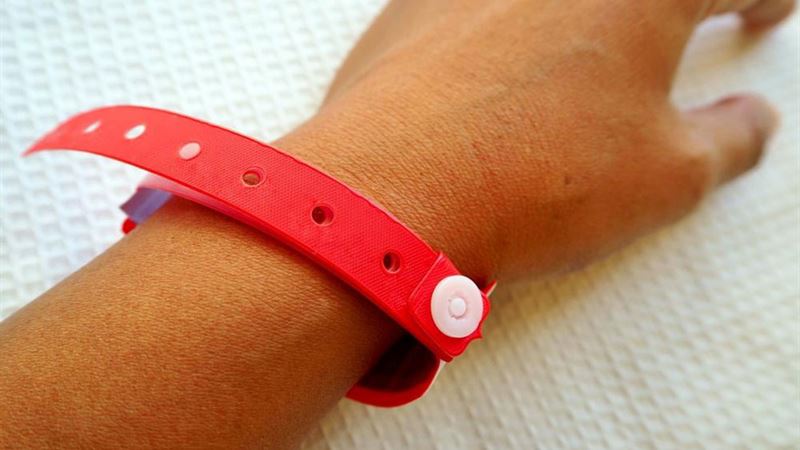
Precise and clear medical identification can significantly expedite emergency care, potentially saving lives. When paramedics or first responders quickly identify your medical condition through your alert bracelet, they can administer appropriate treatment without delay. Creating an effective engraved medical alert jewelry piece involves careful consideration of what information to include to ensure it is both concise and comprehensive. This guide offers valuable insights into what details to engrave on your medical alert accessory, and how to choose the right style that matches your needs and personality.
Designing a medical alert bracelet that communicates vital health information effectively requires strategic planning. Since space on these bracelets is limited, prioritizing what to engrave is crucial. The goal is to provide emergency personnel with the essential details they need to understand your medical history at a glance, ensuring swift and appropriate treatment. From your medical conditions to allergen information, every detail should be carefully selected and formatted for maximum clarity and usefulness.
Key Elements to Include on Your Medical Alert Bracelet
The most critical aspect of your engraving is your health condition(s). Whether you have diabetes, epilepsy, heart issues, or allergies, prominently display this information using large, readable fonts. Emergency responders primarily look for your medical conditions first, so making this info highly visible is paramount. Use standardized abbreviations when necessary—COPD for Chronic Obstructive Pulmonary Disease, for instance—to save space and improve readability.
In addition to your medical conditions, include an emergency contact number. Ideally, this contact person should be someone close to you—family member, partner, or trusted friend—who can be reached quickly in case of emergency. Clear instructions on who to contact can help provided quicker assistance and reduce confusion during chaotic situations.
Allergy and Medication Information
Got food or drug allergies? Make sure to clearly state these on your bracelet. For example, "Allergic to penicillin" or "Gluten allergy." This information helps healthcare providers avoid administering harmful medications or foods. Also, if you are on regular medication, mention it—such as "Taking insulin" or "On blood thinners"—to prevent adverse interactions and guide emergency staff during treatment.
Additional Useful Details
If you have specific instructions for emergency personnel, such as "Check wallet," you can include brief directives to guide first responders toward your detailed medical reports or personal information stored elsewhere. Including your doctor’s name can provide additional context but is optional depending on space limitations and relevance.
Optimizing Privacy and Space
Since traditional engraving allows approximately 40 characters, selecting the most impactful and necessary information is key. Abbreviate where possible—use "DM" for diabetes mellitus, "HTN" for hypertension—to conserve space. Craft your message thoughtfully, balancing brevity with informativeness to ensure critical details are conveyed effectively.
Choosing the Right Medical Alert Jewelry
Modern medical alert bracelets come in a variety of styles, sizes, and colors, allowing you to match your accessory with your personal style. Whether you prefer a sleek metal band, a colorful silicone strap, or a stylish leather bracelet, there are options suitable for men, women, and children. Wearing your medical alert jewelry consistently is essential; make it a daily habit to ensure your health information is always accessible in an emergency.
Consult Your Healthcare Provider
Before finalizing your engraving, it's advisable to consult your doctor or healthcare professional. They can help you determine the most essential information to include based on your specific health needs. Properly engraved medical alert jewelry can be a vital component of your overall health management plan, providing peace of mind as well as life-saving information during emergencies.
Summary
Creating an effective engraved medical alert bracelet involves careful selection of medical conditions, allergies, medications, emergency contacts, and optional instructions, all tailored to fit within space constraints. Choosing a style that aligns with your personal preferences while ensuring durability and visibility is equally important. Regularly review and update your information to reflect any changes in your health or contacts. Remember, the goal is to ensure that first responders have immediate access to critical health information, enabling them to deliver faster and more targeted emergency care.