
Early Pregnancy Indicators: Recognizing Signs in the First Week
Discover the key signs of early pregnancy during the first week after conception. Learn about hormone-driven symptoms like mood swings, tender breasts, spotting, and more. Recognizing these early indicators can help you confirm pregnancy sooner and seek timely medical advice. This detailed guide offers insights into what to expect, aiding new mothers in understanding their body's changes during this crucial initial phase of pregnancy.
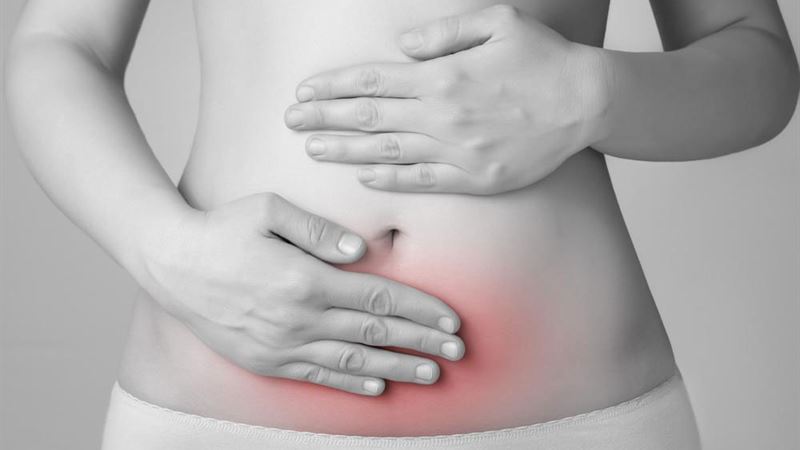
Identifying pregnancy in its initial stages can be both exciting and challenging. Many women wonder about the earliest signs that indicate conception has taken place. While not every woman experiences all symptoms, some commonly observed indicators during the first week after conception can offer helpful clues. Understanding these signs allows women to seek early confirmation and better prepare for the journey ahead.
In the first week after fertilization, hormonal shifts begin to influence the body in subtle but noticeable ways. These changes can manifest through physical sensations, emotional fluctuations, and bodily functions. Recognizing these early indicators can help women detect pregnancy sooner and approach their healthcare with more awareness.
Below are the key signs often associated with the early stages of pregnancy, typically within the first week after conception:
- Mood swings and emotional shifts: Hormonal fluctuations, particularly increases in progesterone and estrogen, can lead to rapid mood changes. Women may find themselves feeling unexpectedly happy, irritable, or tearful, often for no apparent reason. This emotional rollercoaster is a common early sign, reflecting the body's adjustment to pregnancy hormones.
- Increased frequency of urination: A sudden surge in the need to urinate can occur early on. Initially, this is linked to hormonal changes affecting kidney function, which can cause a feeling of needing to go more often, even before the uterus enlarges significantly. As pregnancy progresses, physical pressure from an enlarging uterus further intensifies this symptom.
- Breast tenderness and sensitivity: Hormonal shifts cause increased blood flow and changes in breast tissue, leading to soreness, heaviness, or swelling. These symptoms can appear remarkably early, sometimes within the first week after conception.
- Spotting and light bleeding: Implantation bleeding might occur around this time. It’s characterized by very light spotting or pinkish discharge, often mistaken for a menstrual period. This is due to the fertilized egg embedding itself into the uterine lining, causing minor vascular disruption.
- Morning sickness and nausea: While typically associated with later weeks, some women report feeling nauseous or experiencing queasiness as early as the first week. This can vary greatly among individuals, with some experiencing mild symptoms or none at all initially.
- Digestive disturbances: Conditions like constipation, bloating, and gas are common early signs. Elevated progesterone levels slow down gastrointestinal motility, resulting in discomfort and sluggish digestion.
- Headaches and fatigue: Fluctuations in hormone levels can lead to persistent headaches and feelings of tiredness. These symptoms may be subtle but persistent enough to be noticeable.
- Unusual food cravings and increased appetite: Changes in taste preferences and hunger levels can manifest early. Some women find themselves craving certain foods or feeling hungrier than usual at odd hours.
It is essential to note that not every woman will experience all these signs, especially during the very first week after conception. Some symptoms may remain subtle or overlooked. Nonetheless, if you notice any combination of these early indicators, the next step should be to take a home pregnancy test or schedule a visit with your healthcare provider for confirmation.
Early detection of pregnancy allows for timely healthcare and lifestyle adjustments, ensuring the well-being of both mother and baby. Recognizing these initial signs and understanding their normalcy can help alleviate anxiety and encourage proactive health measures. Keep in mind, though, that the most reliable way to confirm pregnancy remains medical testing and consultation.