
Understanding Left Breast Pain: Causes, Symptoms, and Effective Treatment Strategies
This comprehensive guide explores the various causes of left breast pain, from benign conditions like injuries and hormonal changes to serious issues such as infections and lumps. It offers detailed insights into symptoms and effective treatment strategies, empowering women to recognize when to seek medical attention. The article emphasizes the importance of timely diagnosis and discusses both lifestyle modifications and medical interventions, including medications and supportive garments, to manage discomfort and maintain breast health effectively.
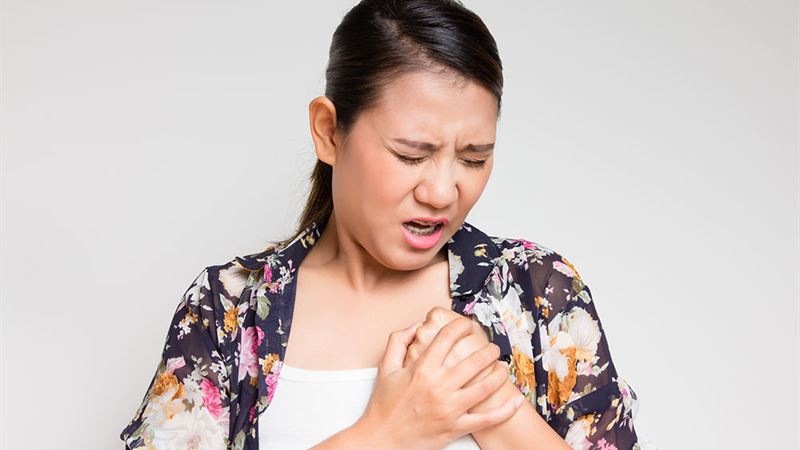
Common Causes of Left Breast Pain in Women
- Trauma and Injury: The breast's skin and underlying tissues are delicate and elastic. An unexpected bump, blow, or fall can injure the skin, connective tissues, blood vessels, nerves, lactiferous ducts, or lobules responsible for milk production. Such trauma often results in sudden, sharp pain and swelling. In some cases, the body's healing process leaves behind scar tissue that may feel like lumps, which can be mistaken for tumors but are usually benign. Persistent or recurrent trauma can cause ongoing discomfort and may complicate diagnosis.
- Post-Surgical Discomfort: Any form of breast surgery, whether cosmetic augmentation, reduction, or reconstructive procedures, often leads to temporary or prolonged pain. Surgical incisions cause tissue disruption and healing, which can result in tenderness or aching that's noticeable well after the procedure. Scar tissue formation during the healing phase may induce fluctuating pain, and in some cases, chronic discomfort persists long-term, affecting daily life.
- Mastitis and Duct Infections: Infections within the breast tissue, particularly mastitis, are common causes of localized pain. These infections often stem from bacterial invasion via cracks or injury to the nipple or ducts, leading to inflammation, redness, swelling, and pain. Milk duct blockages may trap milk, causing painful cysts or abscess formation. Nipple blisters or soreness can be initial signs of infection, particularly in breastfeeding women.
- Hormonal Variations and Cyclical Changes: Hormonal fluctuations during the menstrual cycle can significantly influence breast tissue, resulting in tenderness and pain. Estrogen and progesterone levels surge and decline throughout the cycle, sometimes causing unilateral discomfort. Additionally, women on oral contraceptives, hormone replacement therapy, or fertility medications may experience increased breast sensitivity or pain. Conditions like hypothyroidism (low thyroid hormone levels) can also alter breast tissue structure and induce discomfort.
- Inflammatory Conditions and Infections: Bright-red swelling, warmth, and pain may indicate inflammatory processes or infections like abscesses. Such conditions generally require prompt medical treatment, often with antibiotics or anti-inflammatory medications, especially if accompanied by systemic symptoms like fever or malaise.
- Palpable Lumps and Masses: The appearance of lumps in the breast warrants immediate medical evaluation. While some lumps are benign cysts or fibroadenomas, others might be malignant tumors. Diagnostic procedures such as ultrasound, mammography, or biopsy are essential to determine the nature of these lumps and guide appropriate treatment.
Treatment Options to Alleviate Left Breast Pain
- Supportive Garments: Wearing a properly fitted, supportive brassiere during daily activities and exercise can reduce discomfort caused by breast movement or sagging. Sports bras designed for high-impact activities offer additional support.
- Pain Relief Medications: Over-the-counter analgesics like ibuprofen, acetaminophen, or naproxen can help manage mild to moderate pain. These medications also reduce inflammation and swelling.
- Topical Applications: Non-steroidal anti-inflammatory gels, such as diclofenac or ibuprofen topical gels, can be applied directly to inflamed or painful areas for targeted relief.
- Caffeine Intake Reduction: Limiting consumption of coffee, tea, and caffeinated sodas may ease breast tenderness, as caffeine can exacerbate breast pain in some women.
- Compression and Support for Physical Activity: During exercise, wearing a high-quality sports bra limits breast movement, decreasing discomfort.
- Lifestyle Modifications: Avoid smoking, as nicotine constricts blood vessels and impairs healing, potentially worsening pain or inflammation.
When simple measures do not suffice, or if symptoms persist or worsen, prescription medication may be necessary. These drugs are recommended under medical supervision and are primarily used when other treatments are ineffective. Such medications include:
- Danazol: Primarily prescribed for fibrocystic breast disease, it reduces cell proliferation and relieves pain.
- Tamoxifen: Originally developed for breast cancer treatment, it can alleviate pain associated with benign breast conditions.
- Goserelin: Used off-label for severe breast pain, especially in cases linked to hormonal causes, by suppressing ovarian function.
- Toremifene: Similar to tamoxifen, it serves to address breast pain and inflammation related to hormone-sensitive tissue changes.
When Should You Consult a Healthcare Professional?
While breast pain is often benign, vigilance is essential to rule out more serious conditions. Seek medical advice if:
- The pain persists beyond two weeks despite conservative management.
- You notice the pain worsening or spreading.
- The discomfort begins to interfere with your daily routine or activities.
- You detect new lumps, changes in breast size, skin alterations, or nipple discharge.
Early diagnosis through thorough clinical evaluation, imaging, and laboratory tests can identify or exclude breast cancer or other serious conditions, ensuring appropriate treatment.