
Comprehensive Guide to Recognizing and Detecting Various Household Pests
Learn to recognize and identify common household pests such as bed bugs, termites, cockroaches, flies, and spiders. This comprehensive guide details signs, symptoms, and inspection tips, enabling homeowners to detect infestations early and take effective action to protect their property and health.
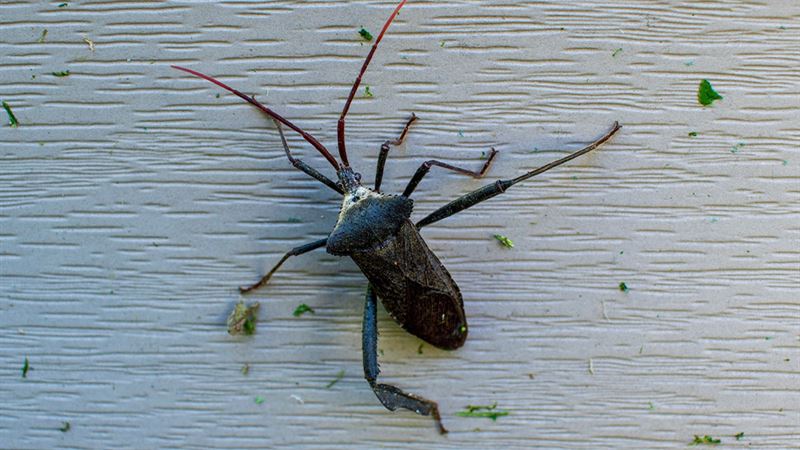
Understanding how to identify different pests is essential for effective treatment and control. Proper identification allows homeowners and property managers to select the most appropriate pest management strategies, saving both time and resources. Whether dealing with insects like bed bugs, termites, cockroaches, or flies, knowing their signs and behaviors is key to early detection and prevention. This detailed guide aims to equip you with the knowledge to distinguish various pests, recognize their signs, and take corrective action promptly.
Step-by-step pest identification at home Knowing what signs to look for can make a significant difference in pest control. Recognizing pests early helps target treatment efforts more effectively and prevents severe infestations. Here, we outline methods to identify common household pests, discuss their typical habitats, and provide tips for inspection.
- **Identify pest symptoms:** Recognize physical signs such as bites, droppings, shed skins, or damage to property.
- **Visual confirmation:** Look for live pests or signs such as damaged furniture, wall markings, or unusual odors.
- **Habitat inspection:** Check common hiding places like bedding seams, cracks in walls, under appliances, and in dark corners.
Detecting Bed Bugs Bed bugs are notorious for their sneaky behavior and can be challenging to identify initially. Here are key indicators of an infestation:
- Itchy skin reactions: Often the first sign is unexplained itching or red bumps appearing overnight, especially on exposed skin areas.
- Bloodstains and excrement: Small blood smears or rust-colored specks of excrement can appear on sheets, pillowcases, and mattress seams. These are evidence of bed bugs feeding.
- Cast skins: As they grow, bed bugs shed their skins. Finding discarded exoskeletons in bedding or furniture creases is common.
- Musty odor: An unpleasant, sweetish, musty smell near your sleeping area indicates a large infestation, resulting from their scent glands.
Detecting Termites Termites are destructive pests that can compromise your home’s structural integrity. Recognizing their signs early can save thousands on repairs:
- Wings: Discarded wings near windows or doors are a classic sign of swarming termites seeking new colonies.
- Frass: Termite droppings, or frass, are tiny, pellet-shaped feces that pile up in and around wood structures or mud tubes.
- Damaged wood: Hollow-sounding wood, cracks, holes, or sagging drywall point to internal termite activity.
- Mud tubes: Thin, soil-filled tunnels that extend from the soil into wood structures are used by termites for shelter and feeding.
- Floor and paint damage: Bubbling paint or buckling floors could be consequences of termite activity beneath.
Detecting Cockroaches Cockroaches are nocturnal pests, making visual sightings during daytime rare but indicative of a serious infestation:
- Live sightings: Spotting a cockroach scurrying across a kitchen or bathroom floor is a clear sign of infestation.
- Droppings: Brown or black droppings resembling coffee grounds or pepper grains are commonly found near food sources or hiding spots.
- Shed skins: Molted skins, often found in cracks, corners, or behind appliances, indicate active roach populations.
- Unpleasant odor: A musty, oily smell is often associated with large infestations.
Fly Infestation Symptoms Flies can quickly multiply and become a nuisance:
- Dark clusters: Small, pinhead-sized black spots near light fixtures or windows might be fly larvae or pupae.
- Frequency of sightings: Regular presence around trash bins, food debris, or overripe fruit highlights active breeding sites.
- Larval spots or maggots: Watch for maggot clusters, indicating breeding grounds in decaying organic matter.
Detecting Spider Infestation Spiders are usually beneficial predators, but an unexpected increase in their number can suggest an infestation:
- Webbing: Webs of varying complexity in corners, under furniture, or along ceilings signal a spider presence.
- Egg sacs: Soft, silk-covered egg clusters often found in hidden areas hatch into numerous baby spiders.
- Flying insects: An increase in flying insects like flies or moths attracts spiders seeking prey.
- Adult spiders: Observing large or numerous spiders roaming freely indicates a potentially problematic infestation.
Different households may face various pests depending on geographic location, season, and environment. Common pests include ants, bed bugs, roaches, flies, and spiders. For effective pest management, consulting a licensed pest control expert is crucial. They can help identify pests accurately, administer targeted treatments, and suggest preventive measures to keep your home pest-free.