
Comprehensive Guide to Recognizing and Differentiating Bug Bites
Learn how to identify different bug bites, including bed bugs, spiders, and mosquitoes, with detailed descriptions and preventive tips. Recognizing symptoms early can help avoid complications and ensure prompt treatment for a more comfortable, bite-free life.
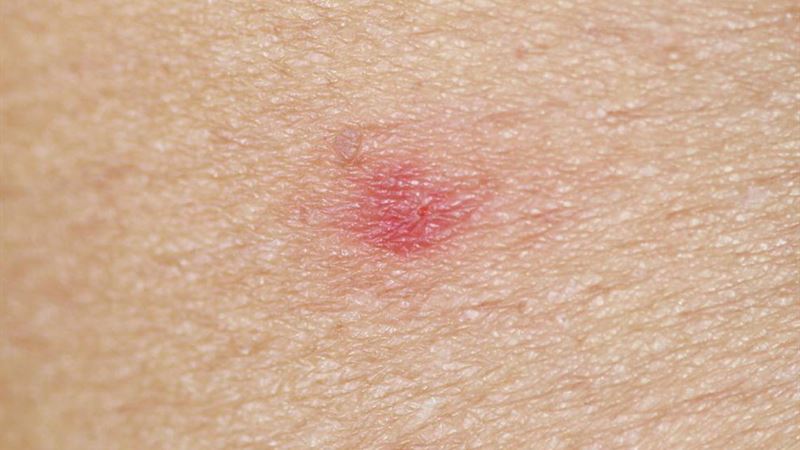
Understanding the symptoms associated with various insect bites is essential for proper treatment and prevention. Parasite-transmitted mosquito bites can lead to symptoms such as nausea, fever, vomiting, headaches, and muscle aches, which can persist for anywhere between 10 days to four weeks. Fortunately, many of these bites are treatable with prompt medical care. Recognizing the signs early can significantly reduce discomfort and potential complications.
- Identifying Bed Bug Bites: Bed bugs leave behind distinctive marks that appear as rows of small red dots or bumps on the skin. These bites are commonly found on areas exposed during sleep, like the neck, face, and hands. They are usually painless at first but tend to trigger intense itching afterward. Some people might develop allergic reactions, manifesting as swelling, redness, or blisters, which may necessitate consultation with a dermatologist. Recognizing these bites early can help in taking prompt steps to eliminate bed bugs from your living space, preventing further bites and infestations.
- Distinguishing Spider Bites: Spider bites can be identified by the presence of localized redness, swelling, and sometimes pain in the area of the bite. While most spider bites are harmless, bites from certain species like black widows or brown recluse require immediate medical attention. Such bites often present with a noticeable puncture wound and can cause symptoms like muscle cramps, severe pain, or systemic reactions. If you experience difficulty breathing, chest pain, or swelling of the face or throat after a spider bite, seek emergency medical care immediately. Proper identification of spider bites can help differentiate harmless reactions from dangerous ones requiring urgent treatment.
- Preventive Measures: To minimize the chances of insect bites, wearing protective clothing, using organic insect repellents, and maintaining cleanliness in living areas are highly effective. Covering exposed skin, applying repellents containing natural ingredients like citronella or eucalyptus oil, and keeping windows and doors sealed can help keep these pests at bay. Regularly inspecting bedding, upholstery, and clothing for signs of pests is essential in maintaining a pest-free environment.
- First Aid for Insect Bites: Immediate steps include cleaning the bite area with soap and water, applying cold compresses to reduce swelling, and using over-the-counter antihistamines or hydrocortisone creams to alleviate itching. For allergic reactions, seeking medical care is necessary. In serious cases involving severe pain, swelling, or signs of infection, visiting a healthcare provider ensures proper treatment.
- When to Seek Medical Help: Most insect bites resolve with simple home remedies. However, consult a healthcare professional if you notice signs of infection, such as increasing redness, warmth, or pus, or if symptoms worsen or persist beyond a week. Certain bites, especially from spiders or bed bugs, can lead to secondary infections or allergic reactions, which require professional treatment. Early diagnosis and intervention are crucial in preventing complications.
Educating yourself on the distinctive features of various insect bites empowers you to respond effectively and avoid unnecessary worry. Being proactive in implementing preventive strategies, recognizing symptoms early, and seeking medical intervention when necessary can keep you safe from the discomfort and potential health risks associated with insect bites.