
Comprehensive Guide to Cholesterol and Heart Health Management
This detailed guide explores the importance of understanding cholesterol types, their effects on heart health, and practical steps to maintain optimal lipid levels. By combining lifestyle changes, medical guidance, and regular monitoring, individuals can significantly reduce their risk of cardiovascular disease and promote long-term heart health. Learn how HDL, LDL, and triglycerides influence your health and what actions can help you lead a healthier life.
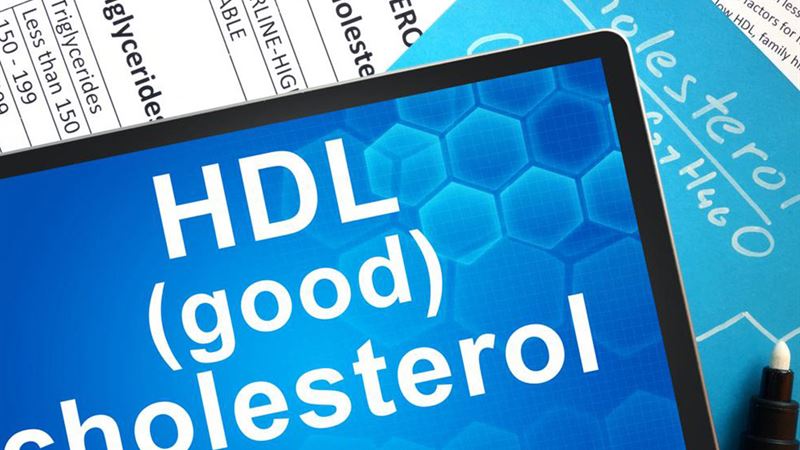
Understanding your cholesterol levels is vital for maintaining a healthy heart. Medical professionals assess the risk of cardiovascular disease based on various factors, including cholesterol profiles. Regular health checkups, a balanced lifestyle, and dietary adjustments play a significant role in managing cholesterol levels effectively. This comprehensive guide explores the different types of cholesterol, how they influence heart health, and what steps can be taken to optimize your lipid profile for a healthier future.
Blood tests provide insight into lipid levels, which are crucial indicators of cardiovascular risk. These include measures of total cholesterol, LDL (low-density lipoprotein), HDL (high-density lipoprotein), and triglycerides. Understanding these components can help you and your healthcare provider develop a strategy to reduce your risk of heart disease and stroke.
The lipid profile report presents these levels in milligrams per deciliter of blood (mg/dL). Analyzing this data alongside other health factors enables a comprehensive risk assessment, including a 10-year outlook and lifetime risk estimations. It’s important to note that cholesterol levels are just one piece of the puzzle, complemented by factors such as age, blood pressure, blood sugar levels, smoking habits, and family history.
Effective management involves understanding different cholesterol types and their impacts:
- Total Cholesterol: This is the overall measurement of cholesterol in your blood, including all lipoprotein types.
- LDL Cholesterol (Bad Cholesterol): Known for depositing fats in the arteries, high LDL levels are a primary contributor to atherosclerosis and heart disease. Keeping LDL below 100 mg/dL is often recommended for optimal heart health.
- HDL Cholesterol (Good Cholesterol): HDL helps remove LDL cholesterol from the bloodstream, acting as a protective factor against cardiovascular events. Higher HDL levels are associated with reduced heart risk.
- Triglycerides: These fats circulate in the blood after eating and are stored in fat cells. Excess triglycerides are linked to increased risk of coronary artery disease and are influenced by diet, alcohol intake, physical activity, and genetic factors.
Achieving and maintaining ideal cholesterol levels involves lifestyle modifications, medications if necessary, and regular monitoring. Let’s delve into how each component impacts your heart health and what actions you can take.
Understanding HDL Cholesterol and Its Role
HDL, the so-called "good" cholesterol, plays a crucial role in protecting your heart. It transports excess LDL cholesterol from tissues and arteries back to the liver for processing and elimination. The higher your HDL levels, the lower your risk of developing heart disease. Factors such as smoking, lack of physical activity, obesity, and certain medical conditions like diabetes can lower HDL levels. Conversely, regular exercise, a healthy diet rich in omega-3 fatty acids, and certain medications can help boost HDL.
While previous strategies focused solely on raising HDL levels through numeric targets, current practices emphasize a holistic view that considers overall lifestyle and risk factors. Personal health assessments now incorporate HDL levels with other data points to guide preventative care effectively.
LDL Cholesterol and Its Impact
LDL cholesterol is considered the primary villain in cardiovascular health due to its propensity to deposit fats within arterial walls, leading to narrowing, plaque formation, and increased risk of heart attacks and strokes. Medical guidelines recommend keeping LDL cholesterol below 100 mg/dL for individuals with low risk, and even lower for those with existing risk factors.
Levels exceeding 190 mg/dL are classified as very high, warranting immediate lifestyle changes and medication, typically statins, to lower the risk. The goal is to prevent the development of plaque buildup in the arteries early through diet, physical activity, and, when necessary, pharmacological interventions.
Triglycerides and Their Association With Heart Disease
Triglycerides are fats derived from excess calories, alcohol, sugar, and certain dietary fats. Elevated triglyceride levels are strongly linked to cardiovascular disease. Normal levels are considered less than 150 mg/dL, with levels between 200-499 mg/dL categorized as high, and 500 mg/dL or more as very high, posing significant health risks.
High triglycerides can contribute to the formation of plaque in arteries, increasing risk independently or in conjunction with other factors like low HDL or high LDL. Lifestyle interventions, such as reducing sugar intake, limiting alcohol, weight management, and physical activity, are effective strategies to control triglycerides. Medications may be prescribed if lifestyle adjustments do not suffice.
Incorporating these insights into your health routine can substantially improve your cardiovascular well-being. Continuous monitoring and personalized medical advice ensure that your cholesterol levels stay within healthy ranges, reducing your risk for serious heart conditions over time.