
Understanding Cholesterol: Its Role, Risks, and Management
Learn about cholesterol's vital roles, the differences between good and bad cholesterol, and effective strategies to keep your levels in check. Discover how lifestyle changes and medical advice can reduce your risk of heart disease and improve overall health for a better quality of life.
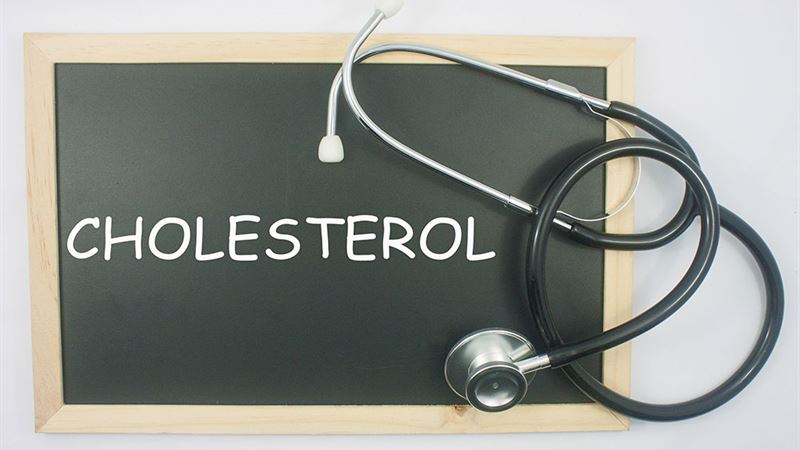
Maintaining optimal health involves balancing various nutrients and substances within the body, and cholesterol is one vital component that requires careful regulation. While often associated with cardiovascular diseases, cholesterol itself is essential for various bodily functions, including hormone production and cell membrane integrity. The key lies in understanding the different types of cholesterol, what influences their levels, and how lifestyle choices impact your overall health and heart risk. Proper dietary habits, regular exercise, and routine health checkups are critical tools in managing cholesterol effectively.
Cholesterol is predominantly produced in the liver, but it is also obtained through the consumption of certain foods. Foods such as red meats, eggs, dairy products, fish, and processed foods tend to be high in cholesterol or saturated fats that influence cholesterol levels. Achieving a balanced diet that limits excessive intake without eliminating nutritious sources is essential. The goal is to prevent the accumulation of cholesterol in arteries, which can compromise blood flow and lead to serious health issues.
When cholesterol levels become abnormal, especially when LDL cholesterol (commonly called 'bad cholesterol') climbs higher than recommended levels, it can contribute to the buildup of fatty deposits within arterial walls—a condition known as atherosclerosis. Over time, this narrowing of arteries can result in restricted blood flow, increasing the risk of heart attack, stroke, and other cardiovascular complications. Conversely, HDL cholesterol (the 'good cholesterol') functions to remove excess cholesterol from the bloodstream, transporting it back to the liver for processing and elimination.
Effectively managing cholesterol involves understanding these two types and working towards increasing HDL while reducing LDL levels. Lifestyle modifications are the cornerstone of cholesterol control. Regular physical activity, such as brisk walking, running, cycling, or swimming, helps burn excess fats and increases HDL. Dietary changes involve reducing intake of saturated fats and trans fats found in fried foods, baked goods, and processed snacks, while emphasizing consumption of fiber-rich foods like fruits, vegetables, and whole grains.
In addition to diet and exercise, quitting smoking, limiting alcohol consumption, and maintaining a healthy weight significantly contribute to cholesterol management. Medical interventions, including statins or other prescribed medications, may be necessary for individuals with persistently high cholesterol levels or genetic predispositions. Routine blood tests, especially lipid profiles, are crucial for monitoring your cholesterol levels over time and making necessary adjustments.
Consulting healthcare professionals regularly—such as your primary care physician or a cardiologist—is essential to develop a personalized plan tailored to your needs. They can provide guidance based on your overall health, family history, and risk factors. In today’s digital age, many trusted medical websites and online resources also offer valuable information to further educate and empower you in making healthier lifestyle decisions. In sum, understanding cholesterol and its implications is fundamental to preventing cardiovascular diseases and ensuring a longer, healthier life.