
Essential Guide for Parents: Managing and Alleviating Children's Allergies
This comprehensive guide provides parents with essential information on managing and relieving their children's allergies. It covers common symptoms, environmental controls, medication options like antihistamines and nasal sprays, and natural remedies. Emphasizing the importance of consulting healthcare professionals, the article offers practical tips to reduce discomfort and prevent allergic reactions, ensuring children lead healthy, active lives. Effective allergy management is critical for safeguarding children's health and improving their overall quality of life.
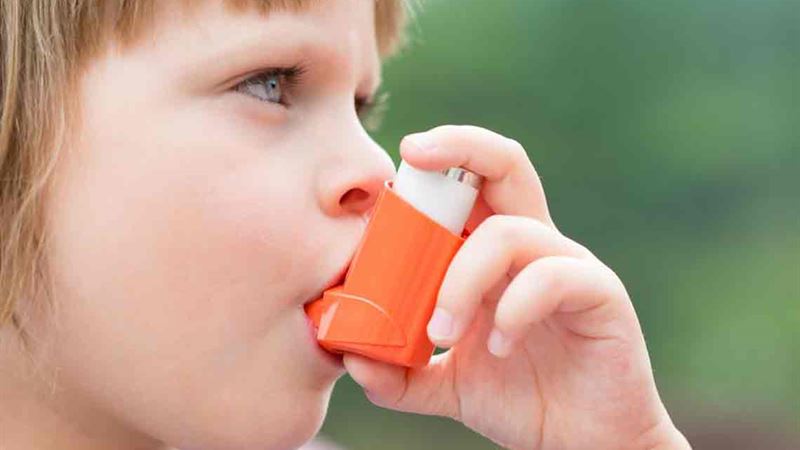
Allergic reactions in children are quite common and can be triggered by a variety of environmental factors such as pollen, mold spores, pet dander, dust mites, and certain foods. Recognizing the specific allergens is crucial in devising effective management strategies to improve a child's quality of life. Allergies manifest through a broad spectrum of symptoms, which can range from mild discomforts to severe, life-threatening conditions. Understanding these symptoms and the available relief options enables parents to act promptly and efficiently to safeguard their children's health.
Children allergic reactions are often classified into skin, respiratory, and food allergies, each presenting unique symptoms and requiring tailored treatment approaches. Skin reactions typically include rashes, hives, and itching, while respiratory symptoms may involve sneezing, nasal congestion, and watery eyes. Food allergies can lead to gastrointestinal symptoms such as nausea, vomiting, stomach cramps, and diarrhea. In some cases, allergic reactions can trigger anaphylaxis, a severe emergency requiring immediate medical attention.
Common signs of allergic reactions in children include:
- Persistent itching and watery eyes
- Frequent sneezing and nasal congestion
- Red, itchy rashes or hives on the skin
- Fatigue, malaise, or a general feeling of illness
- Gastrointestinal symptoms like stomach cramps, vomiting, and diarrhea
- Swelling of the lips, face, or throat in severe instances
For parents, understanding how to effectively manage these symptoms is vital. Although allergies cannot be eradicated entirely, many relief strategies can significantly reduce discomfort and prevent escalation. The key lies in accurate diagnosis, identifying triggers, and implementing appropriate treatment plans developed in consultation with healthcare professionals.
Environmental control plays a critical role; however, removing all allergens from a child's environment is often challenging. Pollen, for example, is airborne and difficult to eliminate completely. Therefore, combining environmental modifications with medicinal therapies offers the best approach for managing allergies efficiently.
Pharmaceutical options include various medications that alleviate symptoms and improve comfort. It is essential to consult with a healthcare professional before administering any treatment, to determine the appropriate medication and dosage based on the child's specific needs.
Antihistamines are widely used as initial treatment agents for allergic rhinitis and other allergy symptoms. These drugs work by blocking histamine, a chemical released during allergic reactions that causes symptoms like sneezing, watery eyes, and a runny nose. Common antihistamines come in oral forms and are often available over-the-counter or by prescription. Side effects such as drowsiness and dry mouth are common but generally manageable under medical supervision.
If a child experiences seasonal allergies, preemptive medication—started a few days before allergy season—can offer substantial relief. For example, children allergic to pollen may begin antihistamines 3 to 10 days before pollen counts typically rise. For children with perennial allergies—those experienced throughout the year—consistent medication may be necessary to maintain comfort and prevent symptom flare-ups.
Nasal sprays, particularly those containing corticosteroids, offer another effective treatment option by reducing inflammation within the nasal passages, thus improving breathing. These sprays are available as liquids or aerosol puffs and often require a doctor's prescription. They can be used multiple times daily as directed, providing targeted relief for nasal congestion and inflammation.
Eye drops are also prescribed to relieve itchy, red, watery eyes associated with allergic conjunctivitis, contributing significantly to overall allergy management in children.
Aside from medications, several supportive measures can enhance allergy relief:
- Limiting outdoor exposure: During peak allergy seasons, keeping children indoors and maintaining closed windows minimizes contact with airborne allergens.
- Using saline nasal rinses: Saline solutions help flush out irritating particles from nasal passages, easing congestion.
- Promoting hydration: Encouraging children to drink plenty of water helps thin mucus and soothe irritated tissues.
- Maintaining indoor humidity: Using humidifiers to keep indoor air moist—ideally around 40% humidity—can reduce dust mites and mold growth. Regular cleaning helps prevent allergen buildup.
- Applying cold compresses: Placing cool, damp cloths on itchy or swollen eyes provides quick relief from discomfort.
- Managing diet: Being cautious with foods that trigger allergic reactions is important. Identifying and avoiding common food allergens, or reintroducing suspected foods gradually under medical supervision, helps isolate triggers and avoid accidental reactions.
In addition, natural remedies such as warm compresses, spicy foods, herbal teas like green tea, or warm water gargles can provide symptomatic relief for mild allergic symptoms. Maintaining a healthy, allergen-free environment and applying these measures can significantly reduce the frequency and severity of allergic episodes in children.
In summary, managing kids' allergies requires a comprehensive approach combining trigger avoidance, medication, and lifestyle modifications. Regular consultation with a healthcare provider ensures that treatment plans remain effective and safe. Early diagnosis and proactive management enable children to enjoy healthier, more comfortable lives regardless of their allergy sensitivities. Remember, allergic reactions can vary greatly in severity, so immediate medical attention should always be sought in case of severe or anaphylactic symptoms.