
Effective Strategies for Managing and Relieving Pollen Allergy Symptoms
Discover comprehensive strategies to effectively manage pollen allergies, including environmental controls, medication options, and quick relief tips. Learn how to prevent symptoms early and maintain a comfortable life during peak pollen seasons with expert guidance tailored for allergy sufferers.
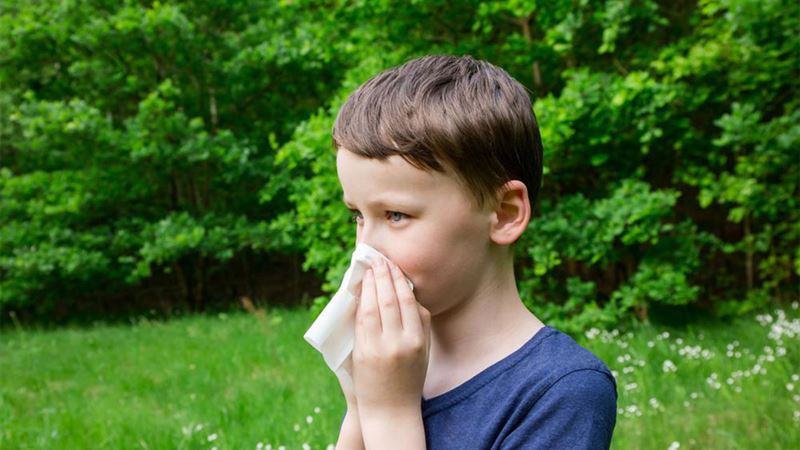
Are you tired of suffering from the relentless symptoms of pollen allergies every allergy season? Do sneezing, itchy eyes, and nasal congestion interfere with your daily life? Luckily, there are a variety of proven methods to help you manage and alleviate pollen allergy symptoms effectively. Understanding the root causes of pollen allergies and implementing targeted treatments can significantly improve your quality of life during high pollen periods. This comprehensive guide will explore the nature of pollen, how it affects your body, and offer practical solutions for prevention and relief.
What Exactly Is Pollen, and How Does It Cause Allergies?
Pollen is tiny, lightweight grains produced by plants as part of their reproductive process. These microscopic particles are expelled into the air, especially during flowering seasons, and can travel vast distances carried by wind. While plants like sunflowers and roses produce pollen that typically doesn't trigger allergies, grasses, weeds, and certain trees generate allergenic pollen that can cause severe reactions in sensitive individuals. For instance, ragweed plants produce approximately one billion pollen grains each season, which can disperse over a mile away from the source. This widespread distribution makes pollen a pervasive allergen during certain times of the year, leading to a surge in allergy symptoms among millions worldwide.
Understanding the Impact of Pollen During High Counts
Even if your property is free from pollen-producing plants, airborne pollen can infiltrate indoor environments through open windows, doors, and ventilation systems. During peak pollen seasons, often in spring, summer, and early fall, air quality indices may indicate dangerous pollen levels. High pollen counts correlate with increased reports of allergy symptoms such as sneezing, nasal congestion, itchy eyes, sore throat, and even asthma exacerbations. It's crucial for allergy sufferers to monitor local pollen forecasts and take preventive measures to reduce exposure. Small airborne particles can penetrate masks, air filters, and even clothing, emphasizing the importance of protective strategies during these seasons.
Effective Prevention and Management Measures for Pollen Allergy Relief
Managing pollen allergies involves a combination of lifestyle adjustments, medication, and environmental control. Starting with proactive measures before pollen counts soar can prevent or lessen the severity of symptoms. Below are some practical steps:
- Monitor Pollen Forecasts Regularly: Be aware of daily pollen levels using weather reports and allergy forecast apps. When counts are high, limit outdoor activities.
- Keep Windows and Doors Closed: Use air conditioning with proper filters to reduce indoor pollen infiltration.
- Use High-Quality Air Purifiers: HEPA filters can trap airborne pollen particles, improving indoor air quality significantly.
- Wear Protective Gear: When outdoor activity cannot be avoided, wear masks designed to filter out pollen and sunglasses to protect your eyes.
- Hygienic Practices: Change clothing and shower after outdoor exposure to remove pollen from skin and hair.
Pharmacological Approaches to Pollen Allergy Relief
Medications play a pivotal role in controlling allergy symptoms, especially when environmental modifications are insufficient. The primary classes include antihistamines, nasal corticosteroids, decongestants, and leukotriene receptor antagonists. Starting these medications before the pollen season begins ensures better prevention:
- Antihistamines: These drugs block histamine receptors, preventing common allergy symptoms like sneezing, itching, and runny nose. They are available over-the-counter and by prescription, with options like loratadine, cetirizine, and fexofenadine.
- Nasal Corticosteroids: Considered the first line of defense against nasal allergies, these sprays reduce inflammation in the nasal passages. Initiating them about two weeks prior to pollen season can help maintain symptom control.
- Decongestants: These medications alleviate nasal congestion quickly but should be used with caution to prevent rebound congestion with prolonged overuse.
- Leukotriene Receptor Antagonists: Medications like montelukast can help reduce allergic inflammation, especially in conjunction with antihistamines.
How Allergy Medications Work
Allergy medications primarily work by counteracting the effects of histamine, a chemical released by the immune system during allergic reactions. When exposed to pollen, sensitized individuals' immune systems overreact, releasing histamine and other chemicals that cause inflammation and allergy symptoms. Antihistamines block histamine from binding to receptors on cells, thus preventing itching, swelling, and sneezing. Nasal sprays deliver corticosteroids directly to inflamed tissues, reducing swelling and mucus production. Regular use of these medications before and during pollen season can help keep symptoms in check, improving your quality of life.
Additional Strategies and Treatments
Beyond medications, several complementary approaches can bolster your allergy management plan:
- Saline Nasal Sprays: Using saline solutions helps flush out pollen from nasal passages, reducing IgE levels and alleviating irritation.
- Allergy Immunotherapy (Allergy Shots): For persistent or severe allergies, immunotherapy involves regular injections containing small amounts of allergens, gradually desensitizing the immune system.
- Natural Remedies: Some individuals find relief using natural remedies such as honey, herbal teas, or acupuncture, although scientific evidence varies.
- Lifestyle Adjustments: Avoid outdoor activities during peak pollen hours (early morning and late afternoon), and create a clean indoor environment to minimize pollen ingress.
When symptoms suddenly worsen, quick relief measures are essential. Some effective methods include:
- Saline Nasal Irrigation: Use neti pots or nasal sprays to rinse pollen from nasal passages.
- Steam Inhalation: Breathing in steam can soothe irritated nasal passages and loosen mucus.
- Stay Hydrated: Drinking plenty of fluids helps thin mucus and ease nasal congestion.
- Cold Compresses: Applying cold packs around the eyes can reduce eye itching and swelling.
Seeking Medical Advice and Long-term Solutions
If your symptoms persist despite over-the-counter medications or lifestyle modifications, consulting an allergist is crucial. Your healthcare provider may recommend allergy testing to identify specific triggers and discuss advanced treatments like immunotherapy. Some patients require prescription medications or allergy shots to achieve long-term relief. Early diagnosis and customized treatment plans can dramatically reduce allergy severity and improve daily functioning.
Final Thoughts: Maintaining Control Over Pollen Allergies
Managing pollen allergies effectively involves an integrated approach encompassing environmental control, medication, and lifestyle choices. Staying informed about pollen levels, adhering to prescribed medication regimens, and taking preventive measures can significantly improve your comfort during allergy seasons. Remember, consistent management and consulting healthcare professionals are key to minimizing the impact of pollen allergies on your health and well-being.