
Effective Strategies to Prevent Pollen Allergy and Safeguard Your Health
Discover comprehensive strategies to prevent pollen allergy symptoms effectively. Learn about medication, environmental control, protective gear, and lifestyle tips to keep allergic reactions at bay during pollen season. By following these expert advice, you can enjoy outdoor activities without discomfort and improve your overall quality of life.
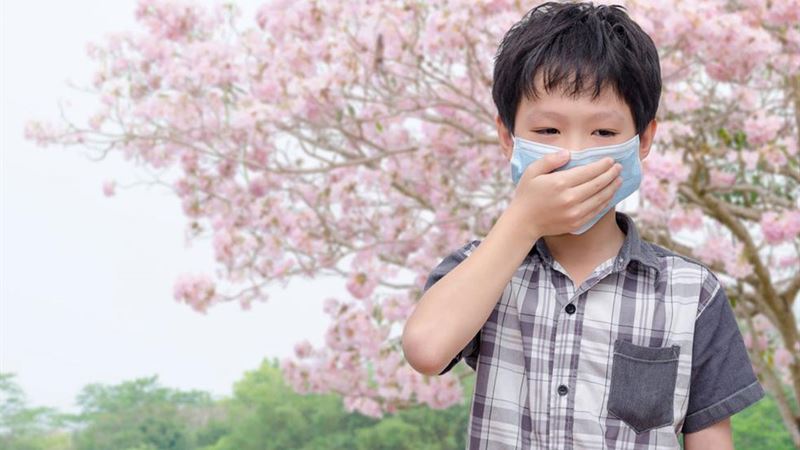
Understanding Pollen Allergy
Pollen allergy occurs when the immune system overreacts to pollen particles inhaled during outdoor activities. Symptoms include sneezing, runny nose, itchy eyes, congestion, and in severe cases, asthma attacks. Recognizing triggers and implementing preventive actions can significantly reduce symptoms and prevent complications.
Medication and Medical Treatments
Over-the-counter medications such as antihistamines can offer quick relief from allergy symptoms. Decongestants help reduce nasal swelling, making breathing easier. For persistent or severe allergies, consulting an allergy specialist is essential. Doctors may recommend allergy testing to identify specific triggers and prescribe tailored treatment plans, which could include corticosteroids or immunotherapy (allergy shots).
Adjusting Outdoor Activities
- Modify Workout Routines
During peak pollen seasons, typically early mornings and midday, pollen counts are at their highest. To avoid exposure, plan outdoor exercises for late evenings when pollen levels are lower. Alternatively, opt for indoor gyms or home workouts to maintain your fitness without risking allergic reactions. - Choose Your Environment Wisely
Being outdoors isn't always avoidable, but selecting locations with minimal vegetation or urban parks can help reduce pollen exposure. Parks close to busy roads tend to have lower pollen levels compared to gardens or fields.
Protective Measures for Outdoor Exposure
- Wear Protective Gear
When working outdoors, such as gardening or lawn maintenance, always wear gloves, masks, hats, and sunglasses. These barriers help prevent pollen from coming into contact with your skin and eyes, reducing the chance of allergic reactions. - Cover Up
Donning a hat and sunglasses acts as a shield for delicate areas like your eyes and face, which are most susceptible to pollen contact and allergenic responses.
Indoor Environment Management
- Keep Windows and Doors Closed
During pollen season, ensure windows and doors are kept shut to prevent pollen from entering your home. Use air conditioning systems with HEPA filters to circulate clean air. - Maintain Clean Air Vents
Regularly clean and replace filters in air conditioning units and ventilation shafts to prevent accumulated pollen and dust from circulating indoors. Ventilate your living spaces during times when pollen levels are minimal, such as early mornings or late evenings. - Conduct Regular Home Cleaning
Frequent dusting and vacuuming, especially in corners and upholstery, help eliminate indoor allergens. Using a vacuum cleaner with a HEPA filter significantly reduces pollen and dust accumulation.
Diet and Lifestyle Adjustments
Diet plays a vital role in managing allergy symptoms. Certain foods can either exacerbate or alleviate allergic reactions. Consulting a healthcare professional or a dietitian can help identify foods that worsen allergies, such as dairy or processed foods, and those that may help reduce inflammation and immune responses, including fruits rich in antioxidants like berries, citrus fruits, and vegetables such as spinach and kale.
In addition, maintaining a healthy lifestyle by staying hydrated, managing stress, and getting adequate sleep can bolster your immune system, making it more resilient against allergens.
Additional Tips and Precautions
- Check Pollen Forecasts
Regularly monitor local pollen counts through weather apps or websites. Planning outdoor activities on days with low pollen levels can significantly reduce exposure. - Use Air Purifiers
Investing in high-efficiency particulate air (HEPA) purifiers for bedrooms and living rooms can filter out airborne pollen, dust mites, and other allergens, creating a safer indoor environment. - Stay Informed and Prepared
Recognize early signs of allergic reactions and take prompt action, including medication and environmental adjustments, to prevent escalation.
Final Words
Managing pollen allergy requires proactive measures that encompass medication, environmental controls, protective gear, and lifestyle modifications. By understanding your triggers and implementing these strategies, you can enjoy outdoor activities with fewer symptoms and improve your overall well-being. Always consult healthcare professionals for personalized advice, especially if your allergies are severe or persistent.
Implementing these comprehensive strategies during pollen season can significantly reduce your allergic reactions, allowing you to lead a more comfortable and active life. Take control of your allergy management today and breathe easier every day.