
Comprehensive Strategies for Managing Persistent Dry Eye Syndrome
Discover comprehensive insights into managing persistent dry eye syndrome. Learn about causes, symptoms, diagnosis, treatment options, and preventive strategies to ensure long-term eye health and comfort. Early intervention and tailored therapies are crucial. Read more for effective management techniques and lifestyle tips, ensuring your eyes stay healthy in any environment.
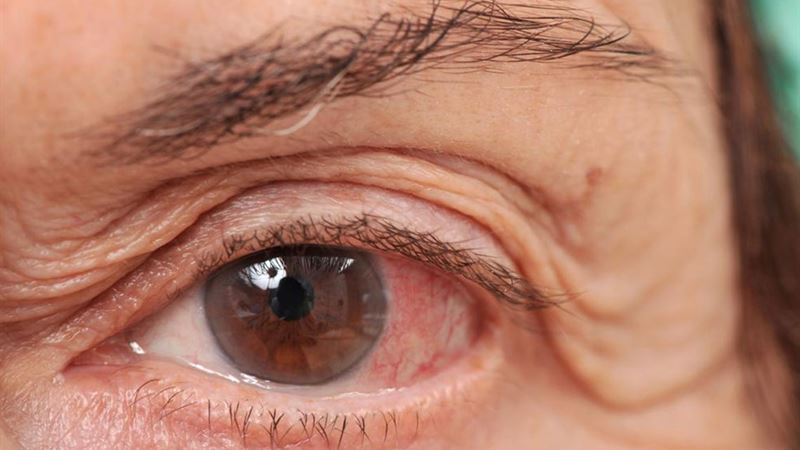
Understanding the Underlying Causes: Chronic dry eye occurs when the eyes do not produce enough tears or when tears evaporate too quickly. Several factors contribute to this condition, including aging, environmental influences, prolonged use of contact lenses, or certain medical conditions like autoimmune diseases. Hormonal changes, especially in women during menopause, can also impair tear production. Additionally, medications such as antihistamines, antidepressants, or blood pressure drugs might have side effects that exacerbate dry eyes. Modern lifestyles, including prolonged screen time and exposure to air-conditioned environments, further aggravate the issue.
Identifying the Symptoms: Recognizing early symptoms is vital for prompt intervention. Individuals with dry eye syndrome often experience a stinging or burning sensation, pervasive dryness, and the sensation of having something gritty or foreign in the eye. Excessive tearing is a paradoxical symptom that may occur when the eyes attempt to compensate for dryness. Other signs include redness, sensitivity to light, blurred vision, and a feeling of pressure or heaviness in the eyes. These symptoms can significantly impact daily activities, reducing productivity and quality of life.
Seeking Professional Diagnosis: When symptoms are observed, consulting with an eye care professional is essential. An ophthalmologist or optometrist conducts detailed examinations to determine the severity and underlying causes of dry eye. These assessments include measuring tear quantity and quality, evaluating blinking patterns, inspecting the eyelids and cornea, and checking for signs of inflammation or meibomian gland dysfunction. Advanced diagnostic tests like tear film break-up time, Schirmer's test, and ocular surface staining aid in creating a tailored treatment plan.
Exploring Treatment Options: Managing chronic dry eye involves a combination of lifestyle modifications, medical interventions, and sometimes surgical procedures. Over-the-counter artificial tears are commonly used to lubricate the eyes and reduce discomfort. For more persistent cases, eye drops containing anti-inflammatory agents or lubricants prescribed by a doctor can provide relief. Punctal plugs are devices inserted into tear ducts to conserve natural tears and improve hydration. Warm compresses and eyelid hygiene practices such as lid scrubs help clear blocked oil glands, facilitating better tear quality. In some cases, medications like cyclosporine or lifitegrast are prescribed to reduce inflammation and stimulate tear production. Emerging treatments include intense pulsed light therapy and omega-3 fatty acid supplements, which have shown promising results in mitigating symptoms.
The Importance of Early Intervention: Chronic dry eye is a condition that demands prompt and ongoing management. If left untreated, it can lead to persistent discomfort, corneal abrasions, and even visual impairment. Early diagnosis and adherence to a comprehensive treatment plan can prevent the progression of the disease, ensuring the preservation of eye health. Regular follow-up with eye care professionals allows for adjustments in therapy and monitoring of for any potential complications. Incorporating lifestyle changes—such as reducing screen time, increasing environmental humidity, and avoiding smoke and pollutants—can substantially improve symptoms.
Preventive Measures: Preventive strategies are vital for at-risk populations. These include wearing protective glasses in harsh weather, maintaining adequate humidity levels in indoor environments, staying hydrated, and taking regular breaks during extended screen use. For contact lens wearers, proper cleaning and limiting wearing time are crucial to prevent dryness and infections. Maintaining a healthy diet rich in omega-3 fatty acids can promote meibomian gland function, thus supporting tear stability. Educating oneself about environmental triggers and health conditions that may lead to dry eyes empowers individuals to take proactive steps towards eye health management.
Conclusion: Chronic dry eye syndrome is a multifaceted condition that can significantly impact quality of life if not managed appropriately. Understanding its causes, recognizing symptoms early, and seeking professional guidance are key to effective treatment. With a combination of medical therapies, lifestyle adjustments, and preventive measures, individuals can achieve relief from discomfort and maintain healthy, comfortable eyes long-term.