
Comprehensive Guide to Effective Eye Drops for Managing Dry Eyes
This comprehensive guide provides in-depth information about various eye drops for dry eyes, including types, uses, benefits, precautions, and choosing the right treatment. It helps readers understand how to alleviate discomfort caused by dry eye syndrome effectively and safely, ensuring better eye health and improved quality of life.
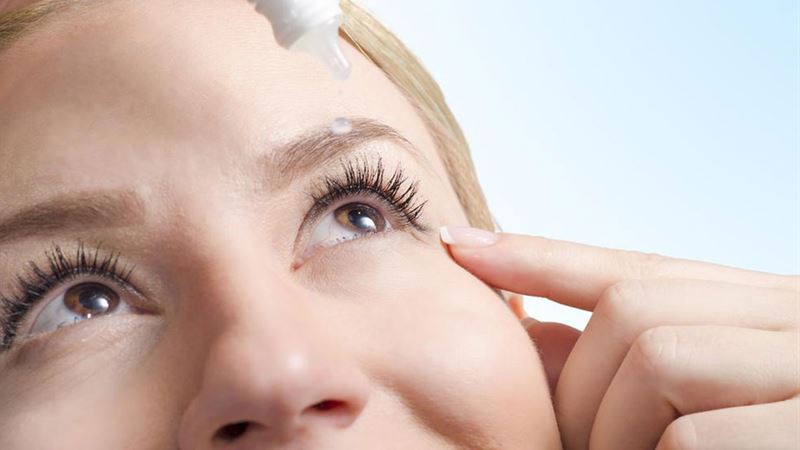
Dry eyes are a prevalent condition that affects millions worldwide, leading to discomfort, impaired vision, and decreased quality of life. Understanding the underlying causes, symptoms, and available treatment options is essential for effective management. Among the most accessible and effective treatments are specialized eye drops designed to alleviate dryness and restore ocular comfort. In this comprehensive guide, we explore the various types of eye drops, their uses, benefits, precautions, and how to choose the right product for your needs.
Causes and Risk Factors for Dry Eyes
Dry eyes can result from a multitude of factors, both environmental and physiological. Recognizing these contributors can help in preventing or managing the condition more effectively:
- Aging processes, which diminish tear production over time
- Hormonal fluctuations, especially in women during menopause
- Ocular conditions like entropion (inward eyelid turning) or ectropion (outward eyelid turning)
- Thyroid disorders affecting eye moisture
- Environmental pollutants such as dust, cigarette smoke, or extremely dry air
- Prolonged exposure to screens like computers, smartphones, and TVs leading to reduced blinking
- Vitamin A deficiency, which is crucial for healthy tear glands
- Chronic diseases like diabetes which impair tear production
- Previous eye surgeries, including laser procedures
- Inflammation or damage of tear-producing glands
- Prolonged contact lens wear
- Eye infections or inflammations
- Autoimmune conditions such as lupus or rheumatoid arthritis affecting ocular secretions
Symptoms Indicating Dry Eye Syndrome
Dry eye syndrome manifests through a variety of symptoms, which can range from mild discomfort to severe impairment. Recognizing these signs early can prompt timely treatment and prevent further complications:
- A persistent burning sensation or stinging in the eyes
- Pinkness or redness indicating inflammation
- Blurry or fluctuating vision
- Itching and irritation
- Difficulty focusing or reading for extended periods
- Excessive dryness, sensation of dryness, or “heavy” eyes
- Feeling of grittiness or foreign body sensation
- Sore, tired, or drooping eyelids
Various Types of Eye Drops for Dry Eyes
Using the right eye drops can significantly ease discomfort and improve ocular health. Here, we explore the different categories of eye drops commonly recommended for managing dry eyes:
- Prescription Eye Drops to Stimulate Tear Production
For severe cases, ophthalmologists may prescribe specialized eye drops that target underlying issues like inflammation or infection, promoting natural tear production. These medications are typically used twice daily and require careful consultation with a healthcare professional to ensure safety and efficacy. Side effects, including allergic reactions, should be discussed with your doctor.
- Artificial Tears
Artificial tears are among the most accessible and effective solutions for dry eyes. Available over-the-counter, these drops provide lubrication, reduce irritation, and restore moisture on the eye’s surface. They are especially beneficial for mild to moderate dryness and can be used multiple times daily.
Types of artificial tears include:
- Preserved Drops: Contain preservatives to prevent bacterial growth. Suitable for occasional use but may cause irritation or allergies if used frequently.
- Preservative-Free Drops: Formulated without preservatives, these are safer for frequent use, especially for severe dryness. Usually sold in single-use vials to maintain sterility.
Consult your eye care specialist to determine the most suitable type based on your condition.
- Autologous Serum Eye Drops
This advanced treatment involves using the patient’s own blood to create highly biocompatible eye drops. Blood is drawn, processed to isolate serum, and diluted with sterile solutions to produce drops that contain essential growth factors and nutrients. Used mainly for severe or treatment-resistant dry eyes, these drops can promote healing of damaged ocular tissues and reduce inflammation.
- Lymphocyte-Function Related Solutions
These are specialized medicated solutions designed to suppress immune-mediated inflammation causing dry eye. They are generally prescribed for cases related to autoimmune diseases and require close medical monitoring due to potential side effects.
- Oil-Containing Eye Drops
In cases where dry eye stems from deficiencies in the lipid (oil) layer of tears, oil-based eye drops can help replenish and stabilize this protective layer. These drops are applied under the eyelids to enhance lubrication and reduce evaporation, effectively managing evaporative dry eye conditions.
Potential Side Effects and Precautions
While eye drops are generally safe, they can occasionally cause side effects, especially if misused:
- Swelling of eyelids
- Redness or increased irritation
- Stickiness or residue around the lashes
- Discomfort or a foreign body sensation
- Heightened light sensitivity
To minimize risks, always follow your healthcare provider's instructions, and consult a professional before starting any new treatment, especially if you have allergies or other ocular conditions.
Choosing the Right Eye Drop for Your Needs
Selection should be based on the severity of your symptoms, underlying causes, and individual tolerance. Regular consultation with an eye care specialist ensures optimal treatment and prevents complications.
If you experience persistent discomfort, blurred vision, or worsening symptoms, seek professional advice promptly. Proper management can restore eye health, reduce pain, and improve your quality of life.