
Comprehensive Insights into the Origins of Persistent Dry Eye Syndrome
Explore the detailed causes of chronic dry eye syndrome, including hormonal, medical, environmental, and structural factors. Learn how to prevent and manage this common condition through professional guidance and lifestyle adjustments.
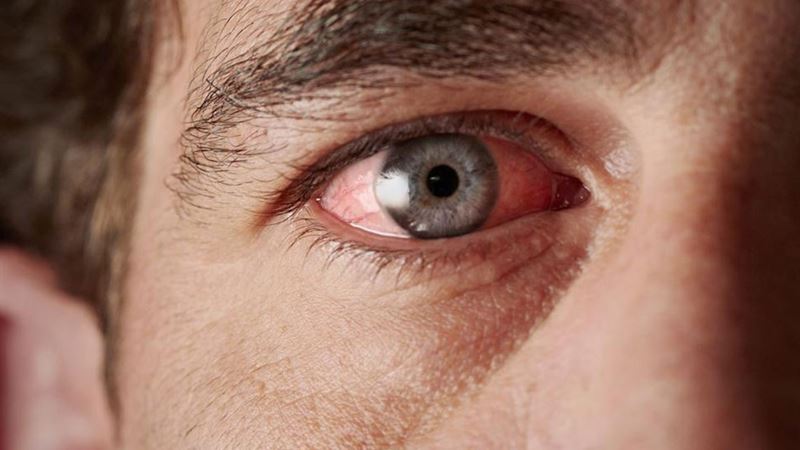
Additionally, structural issues with the eyelids and the surface of the eye can contribute to dry eye symptoms. Conditions such as eyelid inflammation (blepharitis), meibomian gland dysfunction, or eyelid malpositions like entropion (inward turning eyelids) and ectropion (outward turning eyelids) can impair tear distribution and retention. Furthermore, inflammation of the conjunctiva or cornea can exacerbate dryness.
Environmental factors are also crucial in the development of dry eye conditions. Exposure to windy, arid, or polluted environments can accelerate tear evaporation or reduce tear quality. For example, prolonged outdoor activities or working in air-conditioned or heated spaces may create an inhospitable environment for maintaining proper eye lubrication.
Preventing dry eye syndrome involves managing and minimizing these risk factors whenever possible. For instance, using protective eyewear in windy conditions, limiting screen time, and maintaining good eyelid hygiene can help reduce symptoms. It is essential for individuals experiencing persistent dryness, irritation, or discomfort to seek professional medical advice. An eye care specialist can identify underlying causes and offer targeted treatment options to restore eye health and improve quality of life.