
Comprehensive Natural Solutions for Pollen Sensitivity Relief
This comprehensive guide explores effective natural remedies and management strategies for pollen allergies. Covering symptoms, immune response, diagnosis, medications, and home solutions like saline rinses, spicy foods, and quercetin, it offers practical advice to reduce pollen-related discomfort. Prevention tips and lifestyle adjustments empower allergy sufferers to stay comfortable and breathe easier throughout the year, especially during peak pollen seasons. Ideal for those seeking natural, holistic approaches, this resource supports improved quality of life and better allergy management.
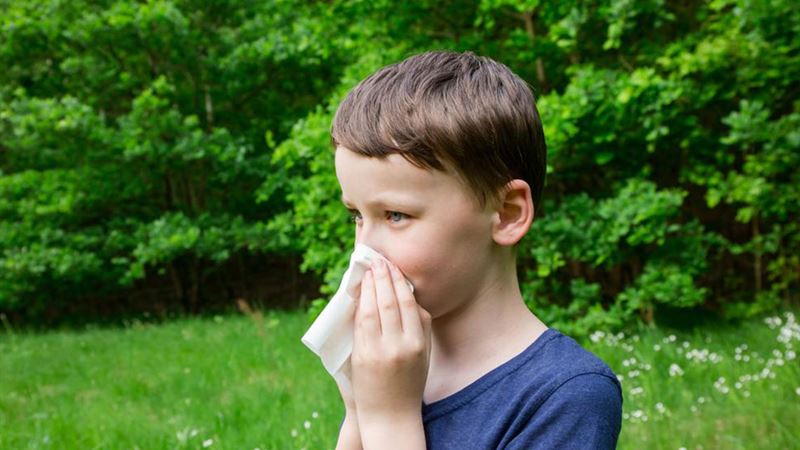
Pollen is a fine powder released by various plants, including flowering plants, grasses, trees, and weeds. Its seasonal release varies throughout the year, causing allergy symptoms that can significantly affect quality of life. During spring, flowering plants are the main source of pollen, leading to heightened allergy cases. In summer, grass pollen becomes more prevalent, while autumn marks the dominance of weed pollen. This seasonal variation means that many individuals may experience pollen-related symptoms almost year-round, especially those with heightened sensitivities.
Understanding the dynamics of pollen release and the individual's response to these allergens is essential for effective management. The discomfort caused by pollen allergies can range from mild sneezing and itchy eyes to severe respiratory distress, impacting daily routines and overall well-being.
Identifying Pollen Allergy Symptoms
Recognizing pollen allergy symptoms early is crucial for timely management. Common signs include:
- Persistent sneezing
- Itchy and runny nose
- Red, irritated eyes that water
- Nasal congestion and sinus pressure
- Coughing and throat irritation
- Dark circles under the eyes often called ‘allergic shiners’
- Difficulty breathing or shortness of breath in severe cases
For individuals with existing respiratory conditions like asthma, pollen exposure can exacerbate symptoms, leading to increased attacks and complication of overall respiratory health. Understanding these signs and consulting healthcare providers promptly can prevent complications.
How Pollen Triggers Allergic Reactions
When pollen enters the body, it is identified by the immune system as a harmful substance, triggering a defensive response. The immune system releases chemicals such as histamine to combat what it perceives as a threat. Histamine causes blood vessels to expand, leading to symptoms like swelling, redness, and increased mucus production. These physiological reactions manifest as sneezing, watery eyes, nasal congestion, and other allergy signs.
The expanded blood vessels in the nasal passages cause typical congestion, while the constriction of facial veins results in the dark circles known as allergic shiners. In people with asthma, the immune response to pollen can trigger airway inflammation, worsening breathing difficulties and increasing the frequency of asthma attacks.
Understanding the immune response helps in tailoring effective treatment strategies and lifestyle modifications to alleviate symptoms and improve quality of life during pollen season.
Diagnosing and Managing Pollen Allergies
If you notice recurring allergy symptoms, particularly during peak pollen periods, it is advisable to seek medical evaluation. A general practitioner can perform a simple skin patch test to confirm the pollen allergy diagnosis. This test involves applying small amounts of allergens to the skin and observing reactions, which helps identify specific sensitivities.
Effective management involves both medication and lifestyle adjustments. To reduce exposure, consider staying indoors during windy days, especially when pollen counts are high. Wearing masks or covering the nose and mouth during outdoor activities can also make a difference. Gardening activities can stir up pollen and should be avoided during peak seasons.
Medications form a cornerstone of allergy management. Antihistamines are the most common drugs used to combat allergy symptoms—they block histamine effects, reducing sneezing, itching, and runny nose. Most antihistamines can be bought over-the-counter, though some potent formulations require a prescription. They can be used preventively before exposure or to reduce ongoing symptoms.
In cases of severe allergy symptoms, stronger antihistamines or corticosteroids may be prescribed. Corticosteroids have anti-inflammatory properties that diminish swelling and redness, providing relief from intense allergic reactions. For nasal congestion, decongestants can help clear mucus and ease breathing.
Regular consultation with medical professionals ensures tailored treatment plans, especially for those with persistent or severe symptoms, ensuring safe and effective relief strategies.
Natural and Home Remedies for Pollen Allergy Relief
For individuals seeking natural alternatives or trying to manage mild symptoms, various home remedies can provide relief and support immune health.
Saline Nasal Irrigation
Using saline sprays or rinses helps cleanse pollen and irritants from nasal passages. Unlike medicated sprays, saline solutions do not cause rebound congestion and are safe for frequent use. They effectively flush out allergens, reduce mucus buildup, and facilitate easier breathing. Regular use during pollen seasons can prevent secondary infections like sinusitis and keep nasal passages healthy.
Incorporating Spicy Foods
Foods containing capsaicin, such as chili peppers, can act as natural decongestants. Capsaicin works by thinning mucus, relieving congestion. Additionally, it possesses antibacterial and anti-inflammatory properties, supporting immune health. Including moderate spicy foods in your diet during allergy season may help mitigate sinus pressure and improve airflow.
Quercetin Supplementation
Quercetin is a potent natural flavonoid found abundantly in onions, apples, berries, and leafy greens. It functions as a natural antihistamine, reducing the release of histamine and calming allergic responses. Its antioxidant properties also protect tissues from damage caused by inflammation. Studies suggest that quercetin can decrease sinus inflammation, relieve congestion, and lessen allergy symptoms if taken regularly as a supplement or through dietary sources.
Additional Preventative Tips
Beyond remedies, some practical steps can significantly reduce pollen exposure:
- Use protective gear like dust masks and wraparound sunglasses outdoors to prevent pollen contact with mucous membranes and skin.
- Take a quick shower and change your clothes immediately after outdoor activities to remove pollen residues.
- Drink ample fluids, such as water and herbal teas, to stay hydrated and help thin mucus secretions.
- Inhale steam regularly to humidify nasal passages and facilitate mucus drainage.
- Monitor local pollen forecasts and limit outdoor activities during peak pollen times to minimize exposure.
Proactive management and natural remedies can significantly reduce both discomfort and the impact of pollen allergies, fostering better health and well-being throughout seasonal variations.