
Comprehensive Strategies to Alleviate Pollen Allergy Symptoms Naturally
Discover effective, natural methods to reduce pollen allergy symptoms through dietary adjustments, home cleaning, and behavior changes. This comprehensive guide offers practical tips like increasing vitamin D, managing indoor environments, and protective measures to breathe easier during allergy seasons. Implementing these strategies can help you significantly cut down allergen exposure and improve your quality of life. Whether you suffer mild or severe allergies, these lifestyle tips can serve as a valuable addition to your allergy management plan, promoting better health and comfort during high pollen periods.
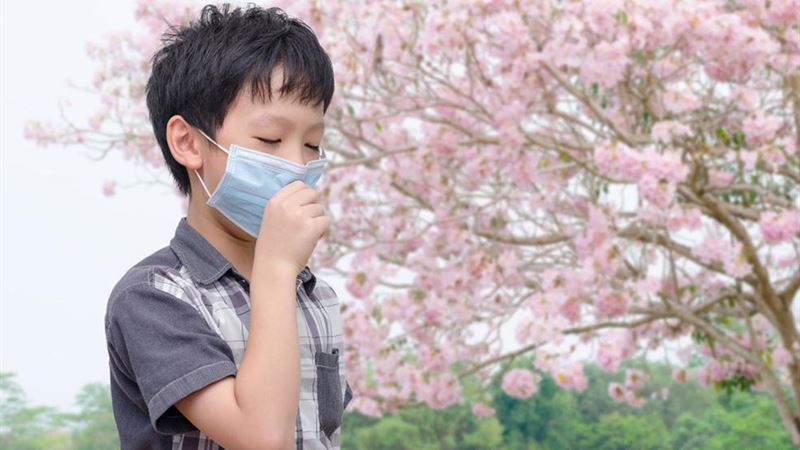
Pollen allergies, also known as hay fever or allergic rhinitis, can significantly impair your quality of life during peak allergy seasons. While seeking medical advice and prescribed medications can provide relief, many individuals prefer to adopt natural and lifestyle-based strategies to minimize symptoms and avoid unnecessary medication. Incorporating simple yet effective habits into your daily routine can drastically reduce pollen exposure and boost your body's resilience against allergens.
In this comprehensive guide, we will explore detailed, practical tips to help you manage pollen allergies effectively, without relying solely on pharmaceuticals. From dietary modifications to home environment adjustments, these methods are scientifically backed and easy to implement, ensuring you breathe easier and enjoy your outdoor activities without constant allergy interruptions.
Enhance Your Nutritional Intake with Vitamin D
Research indicates that adequate levels of Vitamin D play a crucial role in modulating immune responses and reducing allergic reactions. Ensuring sufficient vitamin D intake can help your body defend itself more effectively against pollen allergens.
Foods naturally rich in vitamin D include fatty fish like salmon, mackerel, and sardines. Fortified dairy products such as milk and yogurt, orange juice, soy milk, eggs (especially yolks), and cereals are also excellent sources. Incorporating these into your daily diet can elevate your vitamin D levels gradually and naturally, potentially reducing the severity of allergy symptoms.
In addition to diet, consider spending some time outdoors during sunny hours to boost your vitamin D synthesis. However, always balance sun exposure with skin safety measures to prevent burns.
Regular and Targeted Home Cleaning
Our living spaces, especially carpets and upholstery, often harbor dust mites, mold spores, pet dander, and pollen grains. These indoor allergens can trigger or exacerbate allergy symptoms, particularly during peak pollen seasons.
Maintaining a meticulous cleaning routine is essential. Use a vacuum cleaner equipped with high-efficiency particulate air (HEPA) filters to trap fine particles effectively. Focus on carpets, rugs, curtains, and bedding, which tend to accumulate allergens. Regularly wash bedding in hot water, at least once a week, to eliminate dust mites and pollen traces. Deep-clean carpets and upholstery periodically to prevent allergen buildup.
Furthermore, reducing clutter and keeping indoor spaces tidy minimizes allergen habitats, fostering a healthier environment.
Manage Your Interactions with Pets
Pets, especially furry animals like cats and dogs, can carry pollen grains attached to their fur. These allergens can transfer from a pet's coat onto furniture, bedding, and even your skin, thereby triggering allergy symptoms.
To minimize this issue, restrict pets from entering bedrooms and sleep areas. Regularly bathe and brush pets to remove pollen and dander, ideally twice weekly during high pollen seasons. Using a HEPA air purifier in common areas can further reduce airborne pet-related allergens, improving indoor air quality.
Creating designated pet zones and avoiding cuddling during peak pollen times can also help prevent allergen transfer and reduce symptoms.
Optimize Indoor Climate With Air Conditioning
During high pollen seasons, natural ventilation by opening windows can allow pollen grains to enter your home. While fresh air is beneficial, it can introduce allergens that worsen allergies.
Using air conditioning units instead of fans can regulate indoor humidity and temperature, creating a less favorable environment for pollen and mold spores. Ensure your air conditioner has a clean filter, and consider installing HEPA filters to trap pollen particles effectively. Keeping windows and doors closed in the early mornings when pollen counts are highest can further reduce indoor pollen levels.
Maintaining a cool, dry indoor climate is essential for allergy sufferers.
Protect Your Nasal Passages with Masks
When outdoor pollen counts are high, wearing a high-quality mask can significantly reduce inhalation of allergenic particles. Opt for masks designed with multiple layers or those equipped with HEPA filters, which can effectively block pollen grains from entering your respiratory system.
Avoid using homemade cloth masks or handkerchiefs, as they offer limited filtration. Always wear the mask properly covering your nose and mouth, especially during outdoor activities like gardening, walking, or commuting in peak allergy seasons.
Combining mask usage with avoiding outdoor activities during early mornings or windy days can further minimize pollen exposure.
Implement Shoe Hygiene as a Preventive Measure
Pollen grains and other outdoor allergens often cling to shoes, making them a primary source of indoor contamination. Developing the habit of removing shoes at the entrance can drastically reduce the introduction of pollen into your living space.
Designate a specific area outside your door for shoe storage, and encourage all family members to adopt this practice. Additionally, consider wiping down shoes or spraying them with allergen-reducing solutions before entering your home. Consistency in this routine can lead to noticeable improvements in indoor air quality and overall allergy symptoms within a week or two.
Dry Clothes Indoors During Peak Pollen Periods
Hanging clothes outside to dry is a common practice, especially during spring. However, outdoor drying can inadvertently lead to pollen accumulation on fabrics, which then comes into contact with your skin when wearing or using the clothes.
To prevent this, always dry clothes indoors until pollen counts decrease, especially during early mornings or windy days. Use a dryer or air them in a well-ventilated indoor space, ideally with air purifiers running to trap airborne allergens. This simple adjustment can significantly reduce allergen contact and subsequent allergic reactions.
Additional Tips and Precautions
- Stay updated with local pollen forecasts and plan outdoor activities accordingly. Avoid outdoor exercise during high pollen times.
- Keep windows closed during pollen season, especially in the mornings when pollen levels spike.
- Opt for allergen-proof bedding covers to reduce exposure during sleep.
- Stay hydrated and maintain a healthy diet to support your immune system.
- Consult an allergy specialist if symptoms persist despite these measures for personalized treatment options.
Implementing these lifestyle changes can provide substantial relief from pollen allergy symptoms and improve your overall well-being. Remember, consistency is key, and combining multiple strategies yields the best results. Share these tips with friends and family struggling with allergies, and take proactive steps today to breathe easier tomorrow.
If you find these natural remedies insufficient, please consult a healthcare professional to explore medical treatments tailored to your specific needs.