
Comprehensive Guide to Essential Vitamins for Preventing Hair Thinning and Loss
This comprehensive guide highlights vital vitamins and nutrients that help prevent hair loss and promote growth. It details food sources and supplement options for vitamin A, B-complex, C, D, E, biotin, folic acid, and omega-3 fatty acids. Including these in your diet can strengthen hair, improve scalp health, and reduce shedding. Always consult a healthcare professional before starting supplements. Proper nutrition, consistency, and care can help you achieve healthier, thicker hair over time, enhancing your confidence and overall well-being.
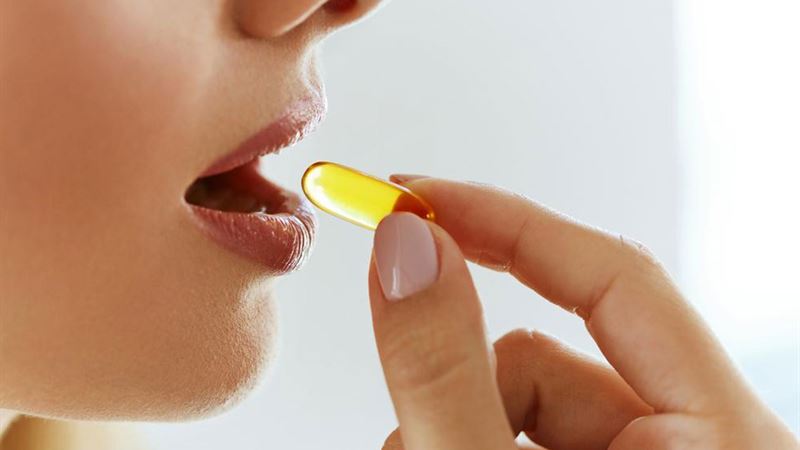
Maintaining healthy, voluminous hair is a goal shared by many, and proper nutrition plays a pivotal role in achieving it. Incorporating a balanced intake of vital vitamins can significantly reduce the risk of hair thinning and loss. By understanding which nutrients support hair health, you can adopt effective dietary strategies or consider supplementation to promote robust growth and overall scalp health.
Key Vitamins and Nutrients to Combat Hair Loss
An optimal approach involves a combination of natural foods and targeted supplements to fortify your hair from within. Essential vitamins such as vitamin A, B-complex vitamins (including B5 and B12), vitamin C, D, E, along with vital minerals like biotin and folic acid, work synergistically to enhance hair strength, stimulate growth, and prevent shedding. Consistently integrating these nutrients into your daily routine can lead to visibly healthier hair over time.
- Vitamin A: The Foundation of Healthy Hair and Scalp
Vitamin A is vital for maintaining the integrity of hair follicles and supporting scalp hydration. It fosters the production of retinoic acid, which influences cellular growth within hair follicles, promoting optimal hair cycle progression. When adequately supplied, vitamin A helps prevent dryness, flaking, and dullness of hair. It also bolsters skin health, which indirectly benefits scalp condition. Rich sources include leafy greens such as spinach and kale, orange and yellow fruits like mangoes, carrots, sweet potatoes, and seafood like tuna. For those with dietary restrictions, vitamin A supplements can serve as an alternative—yet, consulting a healthcare professional is recommended to determine appropriate dosages.
- Vitamin B Complex: Catalyst for Hair Growth and Stress Reduction
Among the B vitamins, B5 (pantothenic acid) and B12 are particularly renowned for their role in hair vitality. They assist in reducing stress—a common contributor to hair loss—and support cellular metabolism crucial for hair growth. B vitamins also help improve blood circulation to the scalp, ensuring hair follicles receive necessary nutrients. Incorporate foods such as poultry, eggs, beans, citrus fruits, and whole grains into your diet. For individuals with deficiencies, B complex supplements can elevate these benefits, but medical advice is essential to tailor the intake.
- Vitamin C: Enhancer of Collagen Production
The antioxidant properties of vitamin C make it a key player in protecting hair follicles from oxidative stress. It actively encourages collagen synthesis, vital for hair strand strength and elasticity. A deficiency can lead to fragile, breakable hair. Vitamin C-rich sources include citrus fruits like oranges and grapefruits, berries, kiwi, bell peppers, broccoli, and spinach. Consistently maintaining sufficient vitamin C intake supports the repair of damaged hair cells and fortifies hair structure, reducing hair fall.
- Vitamin D: Stimulator of Hair Follicles
Vitamin D is essential for cell growth within hair follicles, stimulating new growth and maintaining the hair cycle. Low levels are linked with thinning and hair loss conditions such as alopecia. Natural sources include fortified dairy products, fatty fish like salmon, mackerel, and sardines, as well as egg yolks and exposure to sunlight. Where sunlight exposure is limited, vitamin D supplements can be beneficial—though dosage should be guided by a healthcare provider.
- Vitamin E: Nutrient for Scalp Circulation and Hair Regeneration
Known for its antioxidant effects, vitamin E enhances scalp circulation, supporting the delivery of essential nutrients to hair follicles. It stimulates the production of new hair cells and minimizes inflammation that can lead to shedding. Top sources include nuts such as almonds and walnuts, seeds, leafy greens, and plant oils like olive and sunflower oil. Supplementing with vitamin E can accelerate healing of damaged hair and promote thickness.
- Biotin and Folic Acid: Building Blocks for Hair Growth
Biotin, also called vitamin B7, is renowned for strengthening hair and nails. It plays a critical role in keratin production, the protein structure of hair. Folic acid assists in rapid cellular turnover, essential for healthy hair follicles. Foods rich in biotin include eggs, nuts, seeds, sweet potatoes, and avocados, while folic acid can be obtained from leafy greens, legumes, and fortified cereals. Supplements are widely available but should be taken under medical supervision to avoid overdose.
- Omega-3 Fatty Acids: Hydration and Growth Support
Essential fatty acids such as omega-3s contribute to moisturizing the scalp, reducing inflammation, and creating an optimal environment for hair growth. They also improve the delivery of nutrients to hair follicles. Since the body cannot produce omega-3s naturally, it’s important to include sources like fatty fish (salmon, mackerel, sardines), flaxseeds, walnuts, and soy products in the diet. Adequate omega-3 intake can prevent dryness and brittleness, leading to stronger, shinier hair.
In conclusion, maintaining a nutrient-rich diet filled with these essential vitamins and minerals is fundamental to preventing hair loss and encouraging healthy growth. While a balanced diet is preferred, supplements can be an effective adjunct if dietary intake is insufficient. Always seek professional medical advice before starting any supplement regimen to ensure safety and appropriateness. Incorporating these nutrients into your daily routine can lead to visibly healthier, fuller hair, boosting confidence and overall scalp health.